

Research focus: Robotic manipulation, Computer vision, Embodied AI, Industry 4.0 automation
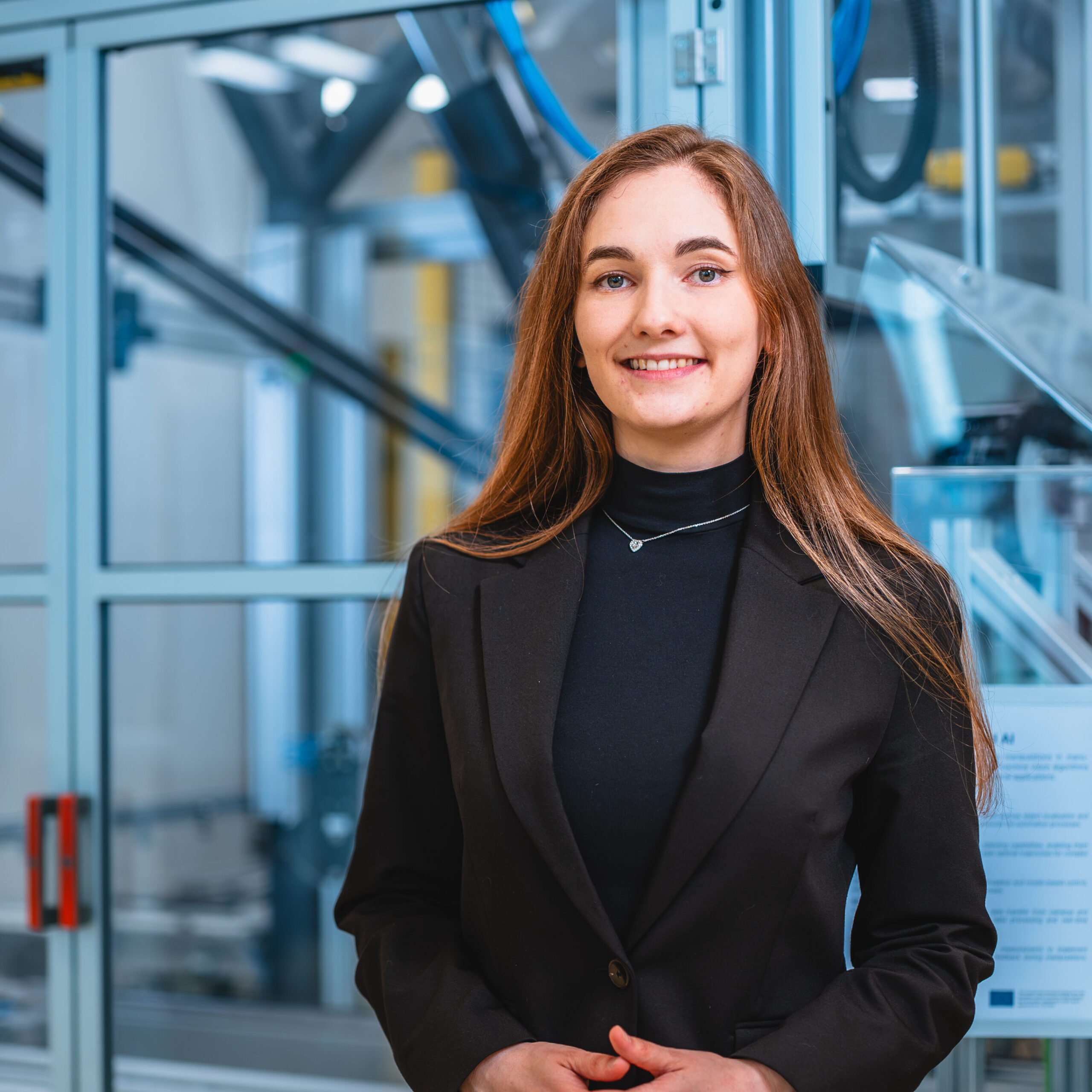
Elizaveta completed her Master’s degree in Robotics and Cybernetics at the Faculty of Electrical Engineering at CTU, building on her Bachelor’s in Cybernetics and Robotics. She joined Testbed in 2021 as a junior researcher. For her master thesis, she worked closely with Varun Burde, Ph.D. candidate and Testbed researcher, who supervised her master thesis and provided crucial guidance in integrating advanced AI methods into practical robotics.
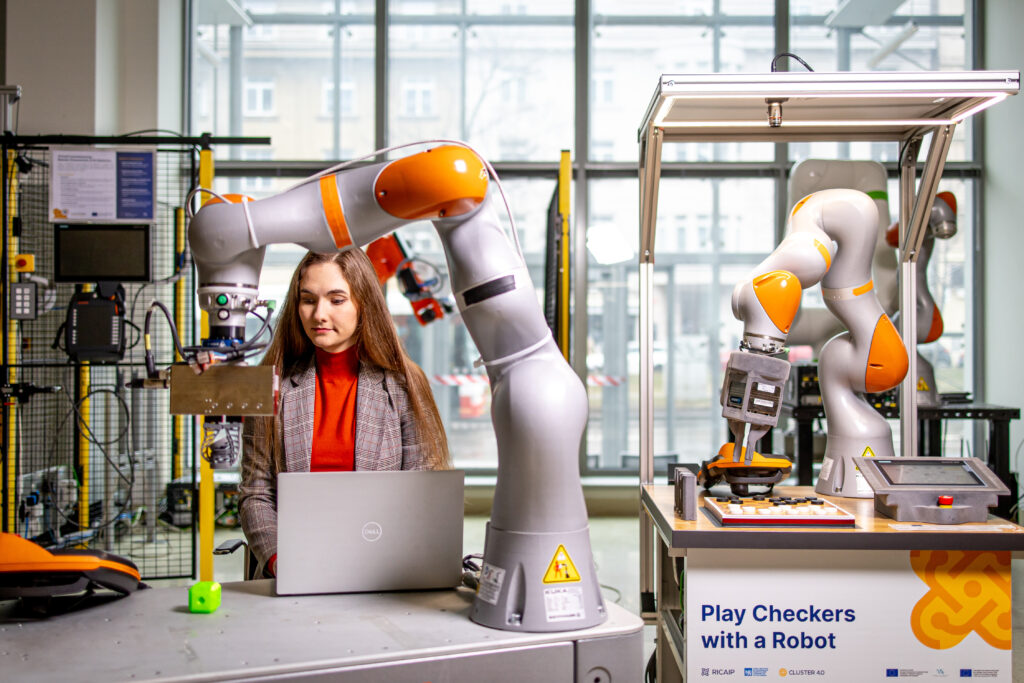
Elizaveta won the Werner von Siemens Award 2025, with a project addressing a long-standing challenge in industrial robotics – enabling robots to manipulate unfamiliar objects without the need for time-consuming manual programming. Elizaveta applied visual-language models to enable semantic grasping, allowing robots to understand functional parts of objects and perform zero-shot manipulation.
What advice do you wish you had heard at the start of your career?
I would advise my younger self to be brave enough to be bad at something new. One of the biggest obstacles, not just at the beginning of a career but throughout life, is the feeling that you are not good enough. It is important to realize that there will always be people smarter or more experienced than you, but that shouldn’t stop you. I’ve learned that hard work and persistence always pay off in the end.
What’s one skill or mindset your work in science has taught you?
Science, and especially robotics, has taught me that failure is not the end, but a necessary data point. When a robot crashes or code doesn’t work, it’s not a defeat, it is feedback. I’ve learned to embrace errors as a crucial part of the discovery process.
What part of your research do you currently find the most exciting or challenging?
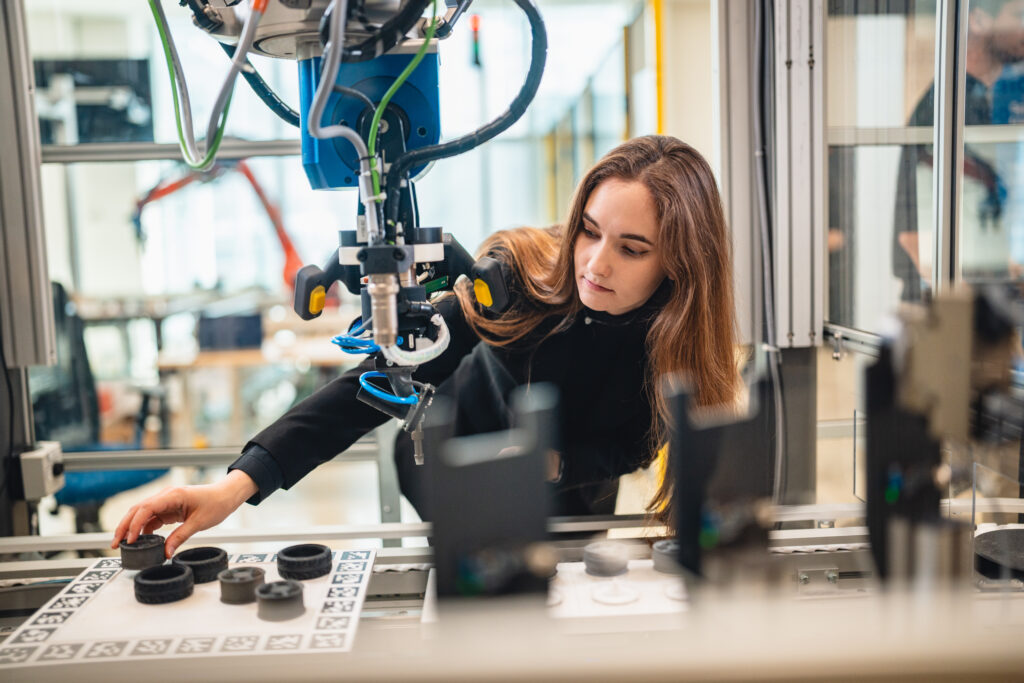
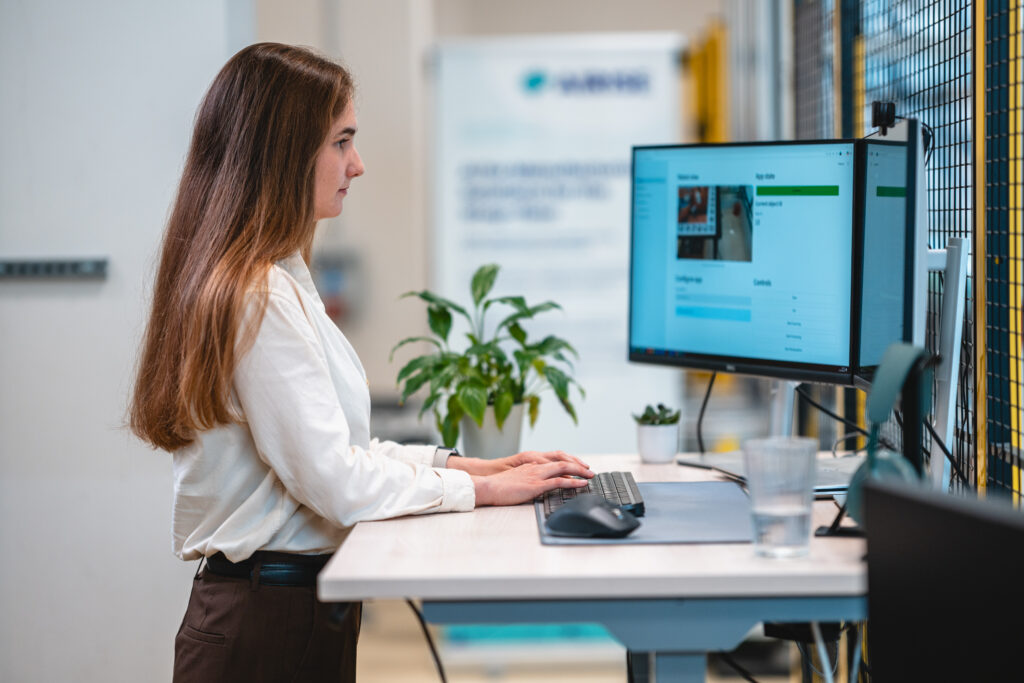
The most challenging part is definitely the ‘reality gap’. Algorithms often work perfectly in simulation, but the real world is messy – lighting changes, sensors have noise, and physical interaction is not always predictable. Making a theoretical model work robustly on physical hardware is difficult, but bridging that gap is exactly what I find most rewarding.