
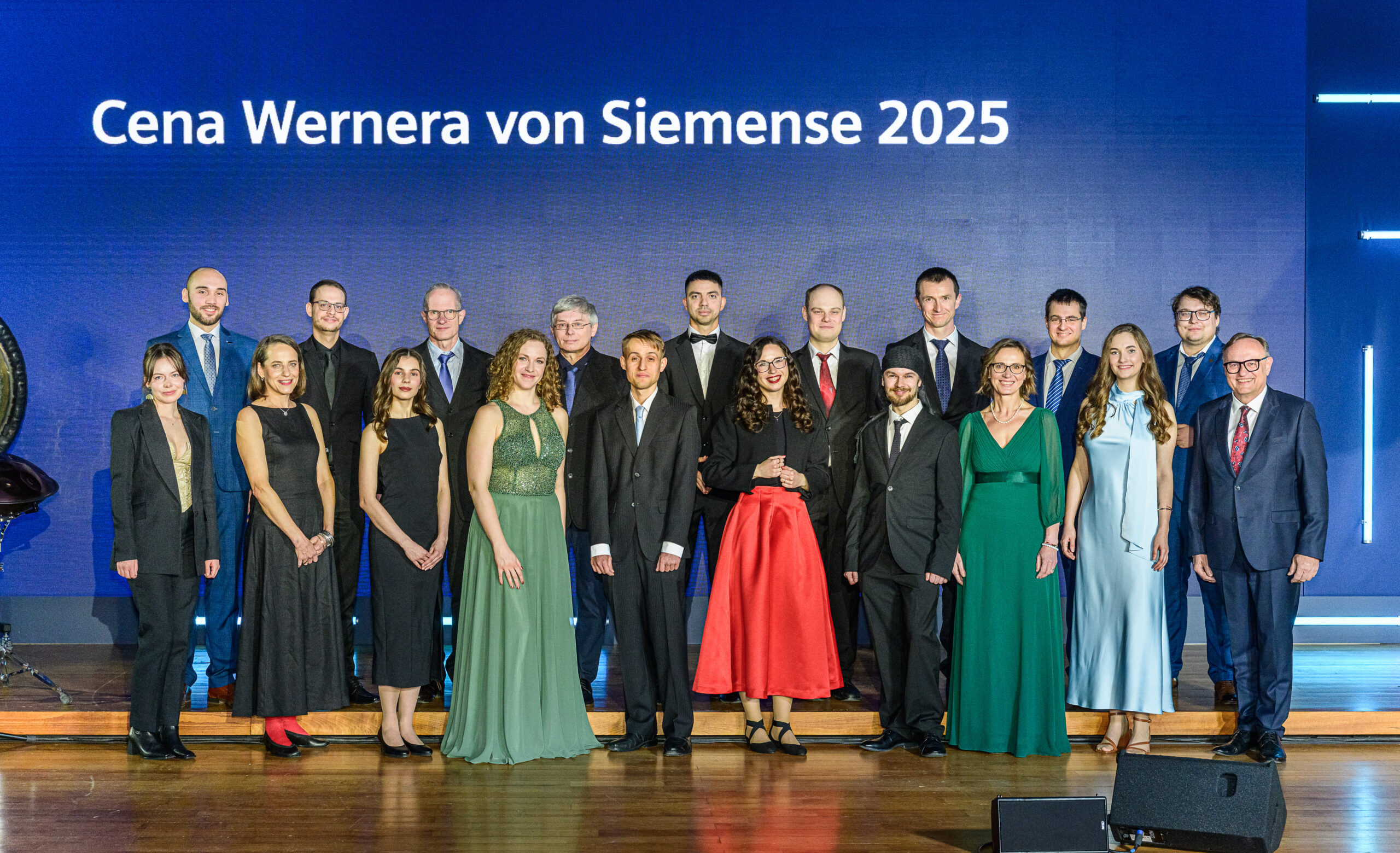
The RICAIP Testbed Prague is proud to celebrate another outstanding achievement. Elizaveta Isianova, a recent graduate and applied researcher at the Czech Institute of Informatics, Robotics, and Cybernetics at Czech Technical University in Prague (CIIRC CTU), while her colleague from RICAIP Testbed Prague Lukáš Vítek ranked among the TOP 5 works in the same category. We are also proud to highlight success from our broader CIIRC CTU community as our former Testbed colleague, Miroslav David, now a PhD student at CIIRC CTU, was also recognized for his work on Object Manipulation with Large Language Models in Real Robots, supervised by Varun Burde, also from RICAIP Testbed Prague. Their accomplishments showcase the Testbed’s role as a hub for cutting-edge research, hands-on learning, and practical solutions that directly address modern industrial challenges.
Elizaveta Isianova: 1st Place (Industry 4.0)
Elizaveta completed her Master’s degree in Robotics and Cybernetics at the Faculty of Electrical Engineering at CTU, building on her Bachelor’s in Cybernetics and Robotics. She joined Testbed in 2021 as a junior researcher. For her master thesis, she worked closely with Varun Burde, Ph.D. candidate and Testbed researcher, who supervised her master thesis and provided crucial guidance in integrating advanced AI methods into practical robotics.
Her award-winning project addresses a long-standing challenge in industrial robotics – enabling robots to manipulate unfamiliar objects without the need for time-consuming manual programming. Elizaveta applied visual-language models to enable semantic grasping, allowing robots to understand functional parts of objects and perform zero-shot manipulation.
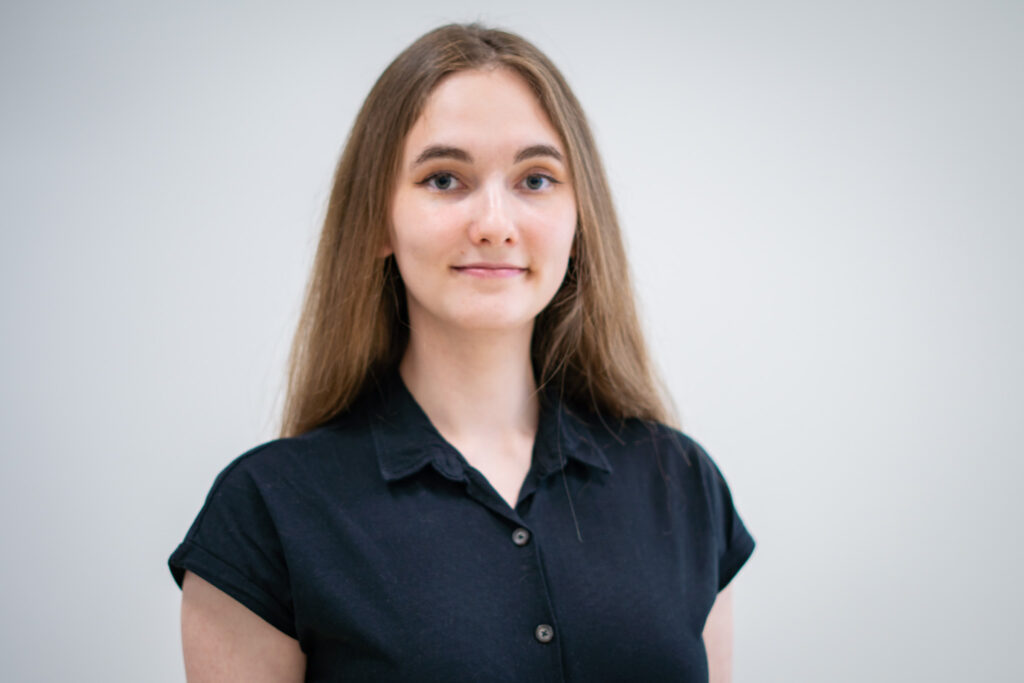
The inspiration for this project came directly from my work at the Testbed for Industry 4.0. Even in modern factories, a surprising amount of time is spent manually teaching robots. My goal was to create a system capable of generalizing grasping to new objects, which is particularly valuable in manufacturing environments with high variability.
The originality of her solution lies in combining cognitive robotics with traditional Industry 4.0 automation. Unlike conventional approaches that rely solely on geometric data or repetitive programming, her system interprets semantic meaning and object function, significantly increasing flexibility and adaptability. “The toughest challenge was bridging the semantic world of language with the precise requirements of robotic manipulation,” she notes. “Creating a robust connection between these two domains pushed me to rethink how robots can understand and act in the real world.”
Varun Burde reflects on her contribution: “Elizaveta’s work exemplifies the collaborative, innovative spirit of the Testbed. She successfully merged cutting-edge AI research with practical robotic systems, demonstrating the impact that our integrated lab environment can have on real industrial challenges. It’s incredibly rewarding to see this level of research, developed within the Testbed, receive such a recognition.”
Lukáš Vítek: TOP 5 (Industry 4.0)
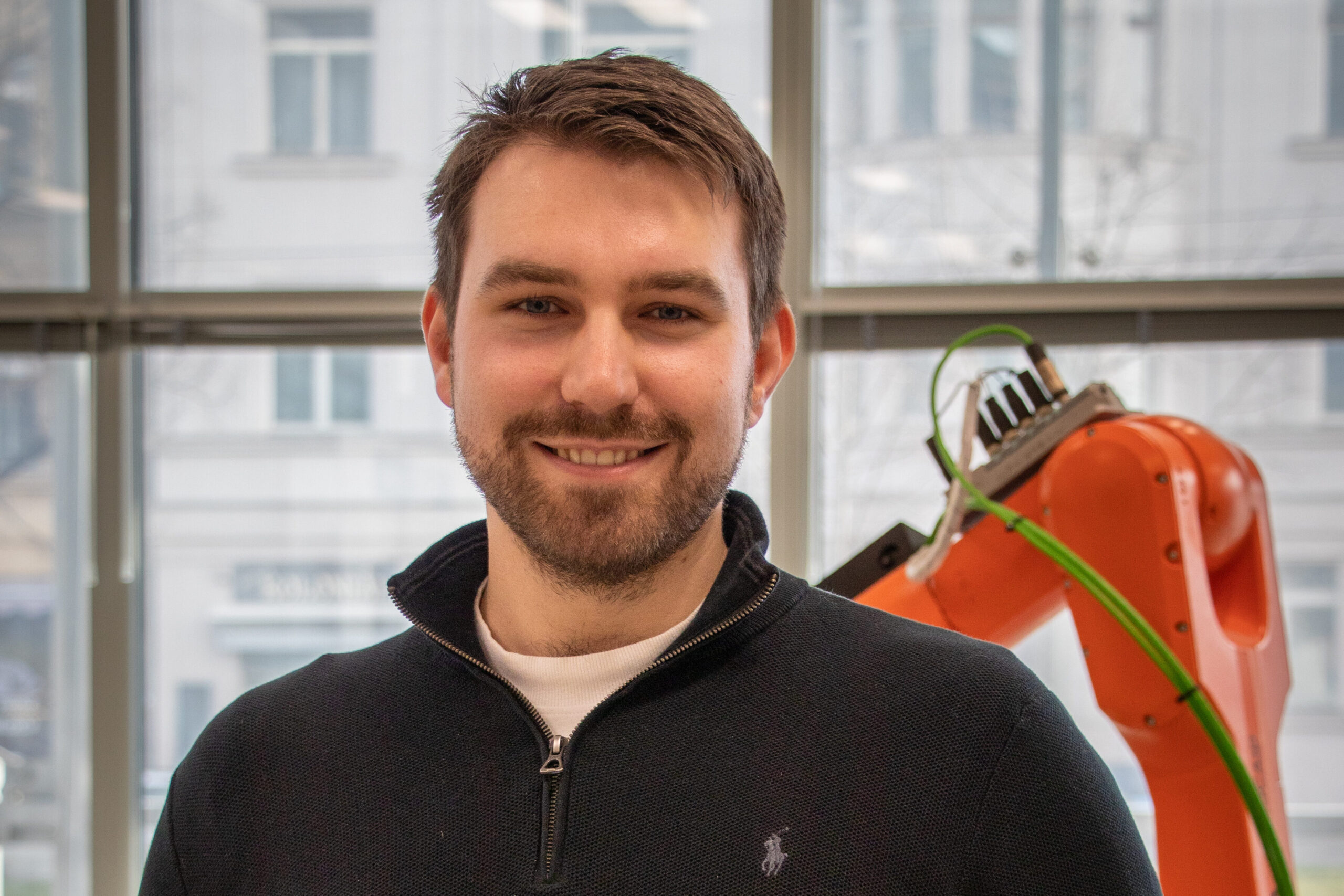
Robots often act blindly once a trajectory is planned, but in dynamic environments that approach fails. By integrating visual servoing with a digital twin, my system allows robotic arms to adjust their motion in real time, making them capable of handling variability in modern Industry 4.0 production lines.
Lukáš Vítek, a graduate of Robotics in the Robotics and Manufacturing Technology program at the Faculty of Mechanical Engineering at the Czech Technical University in Prague, was recognized among the TOP 5 works in the Industry 4.0 category at the Werner von Siemens Award 2025.
His master’s thesis, supervised by Petr Beneš, Ph.D., focused on the implementation of visual servoing for robotic manipulation. The system enables a robotic arm to continuously observe an object using a camera and adjust its movement in real time, rather than relying on a fixed trajectory planned in advance. Unlike conventional robotic manipulation approaches, which operate on the assumption that objects remain stationary, Lukáš’s solution allows robots to respond dynamically to changes in the environment. This capability is particularly valuable for flexible production systems, where objects or conditions may change during operation.
A key component of the project was the development of a digital twin of the robotic system, which allowed the entire solution to be tested and validated in simulation before deployment on a real KUKA robotic arm. Integrating all system components – including the robot, camera, object detection, and control algorithms – into a reliable real-time system proved to be the most challenging aspect of the work. The resulting solution was also released as an open-source implementation, making it easier for researchers and engineers to reproduce and adapt the system to other robotic manipulators.
For Lukáš, the recognition at the Werner von Siemens Award carries a strong personal meaning: “When I learned that my thesis ranked among the TOP 5 works in the Werner von Siemens Award, I was incredibly happy. It confirmed to me that practically oriented research addressing real industrial challenges has real value.”
A Research Environment That Supports Talent
Pavel Burget, Director of RICAIP Testbed Prague, emphasizes the broader significance:
Achievements like Elizaveta’s and Lukáš’s highlight the strength of a research ecosystem where students, supervisors, and advanced facilities collaborate closely. By supporting curiosity-driven research and providing access to real industrial challenges, we equip the next generation of innovators to develop practical solutions that can be applied directly in industry.
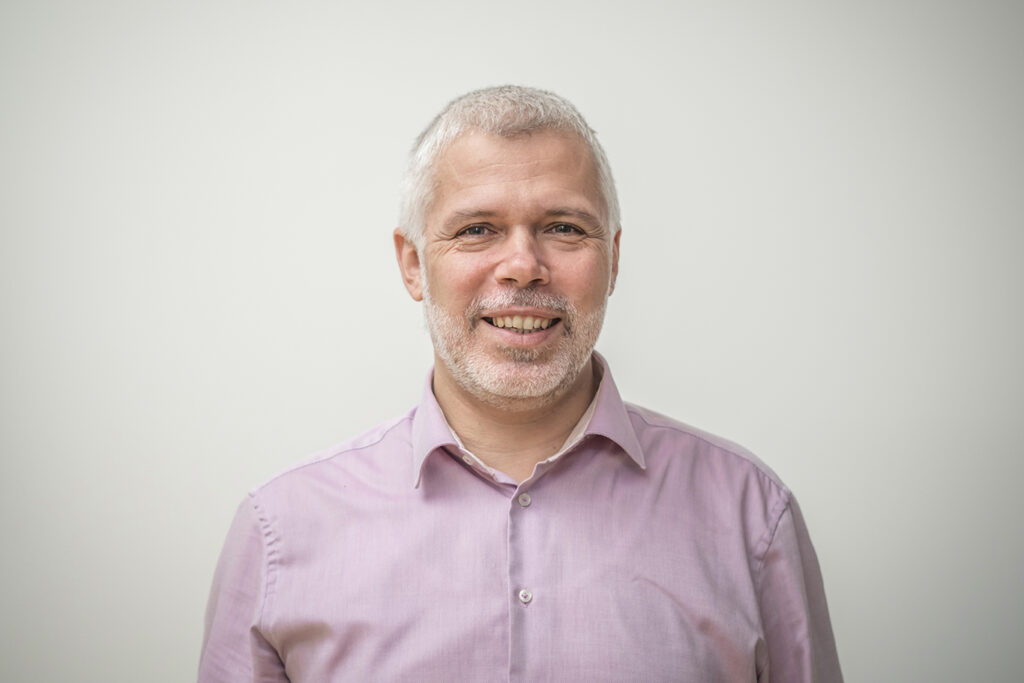
Currently, our team includes students and graduates from the Faculty of Electrical Engineering (FEE CTU), the Faculty of Information Technology (FIT CTU), and the Faculty of Mechanical Engineering (FME CTU). Testbed offers them engaging research topics and the opportunity to work in a state-of-the-art environment on projects that are often directly connected to real industrial needs. This combination of academic excellence and practical relevance allows our students to gain hands-on experience while contributing to solutions that matter in today’s Industry 4.0 landscape.
Elizaveta’s and Lukáš’s success at the Werner von Siemens Award 2025 underscores the Testbed’s role as more than a research facility – it is a catalyst for talent, mentorship, and applied innovation. Elizaveta, Lukáš, we’re proud of what you’ve achieved. Congratulations!