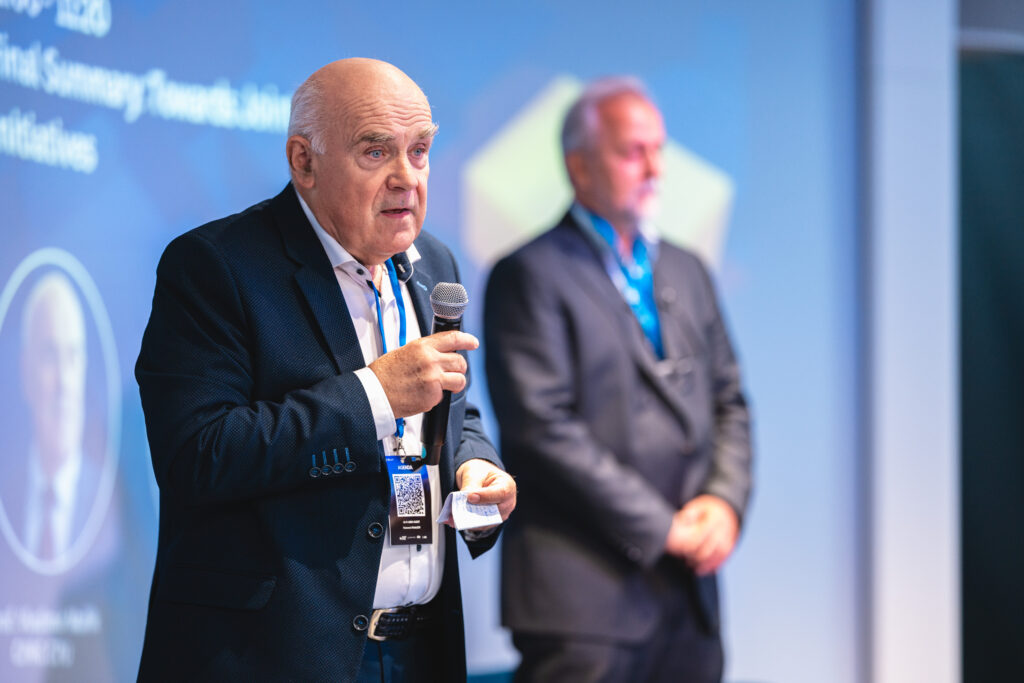
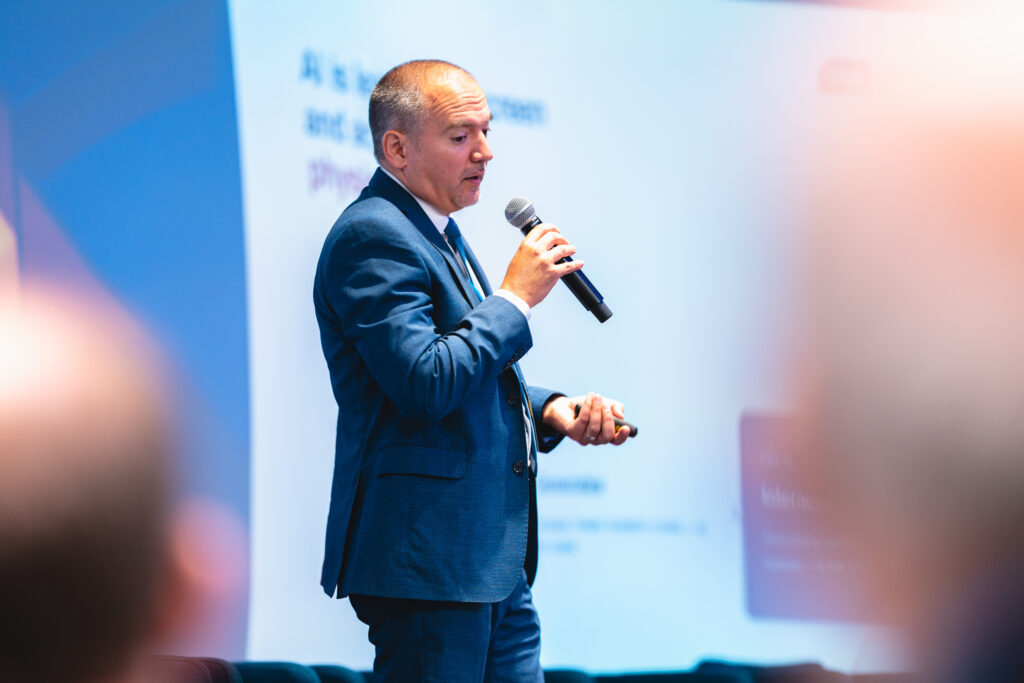
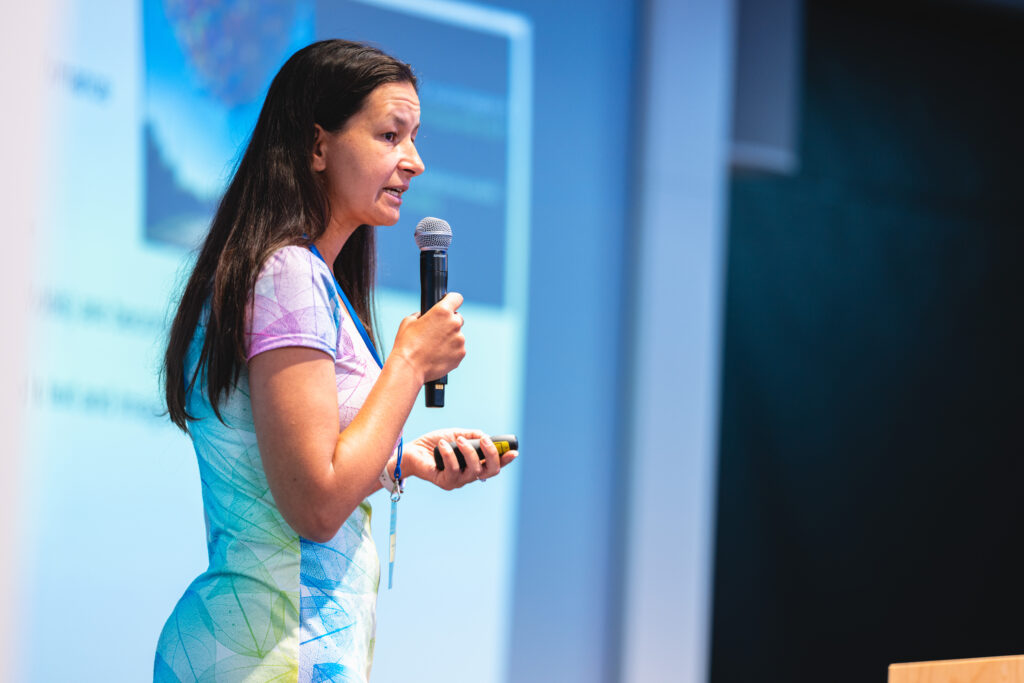
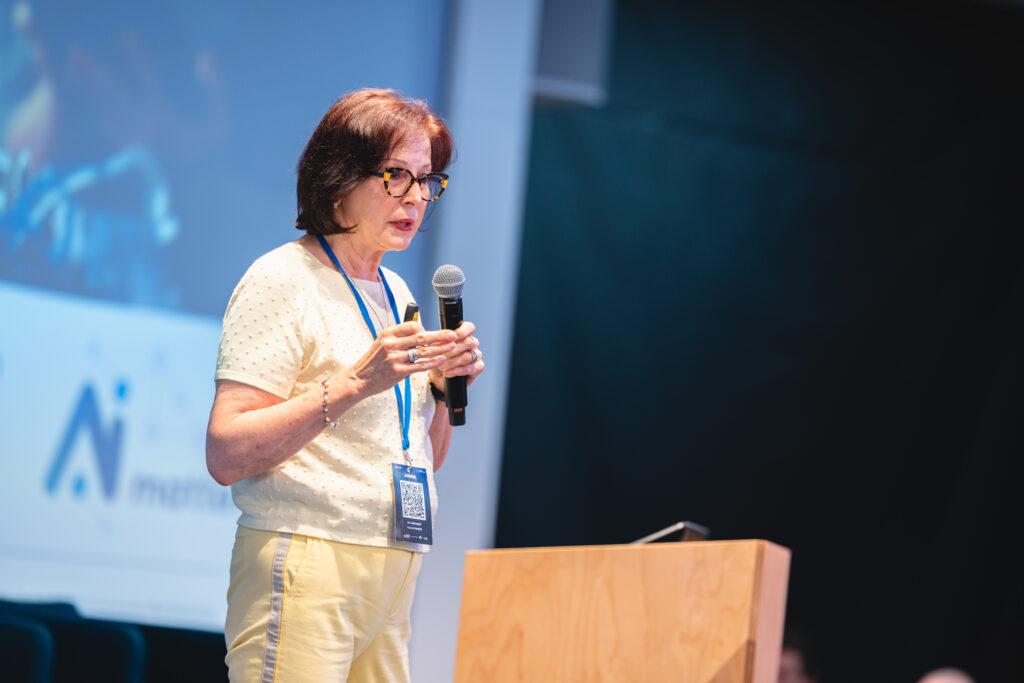
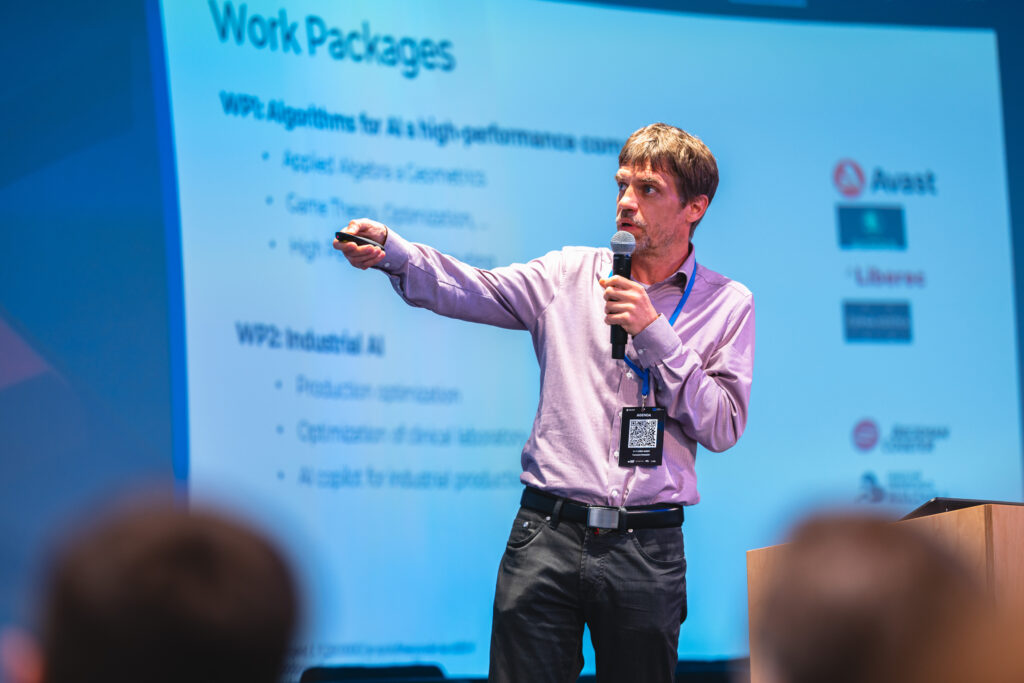
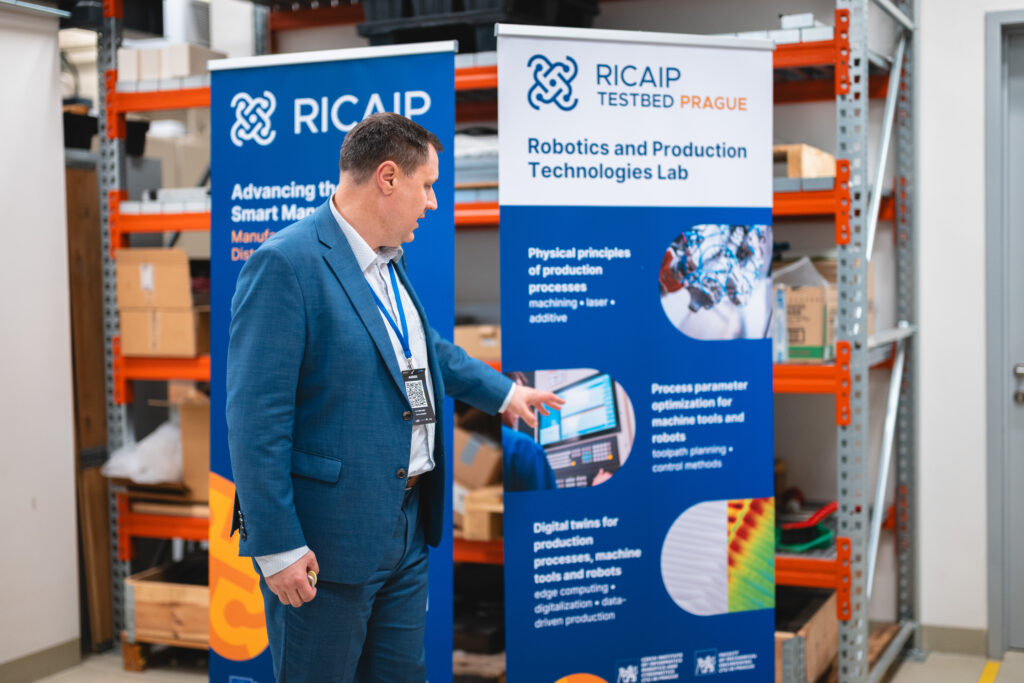
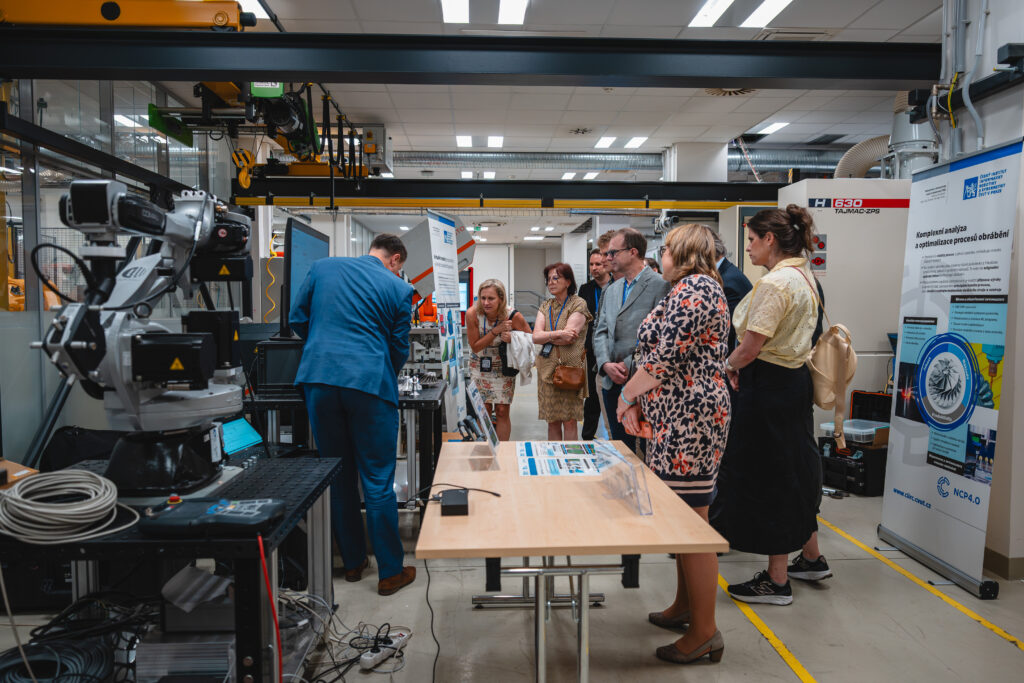
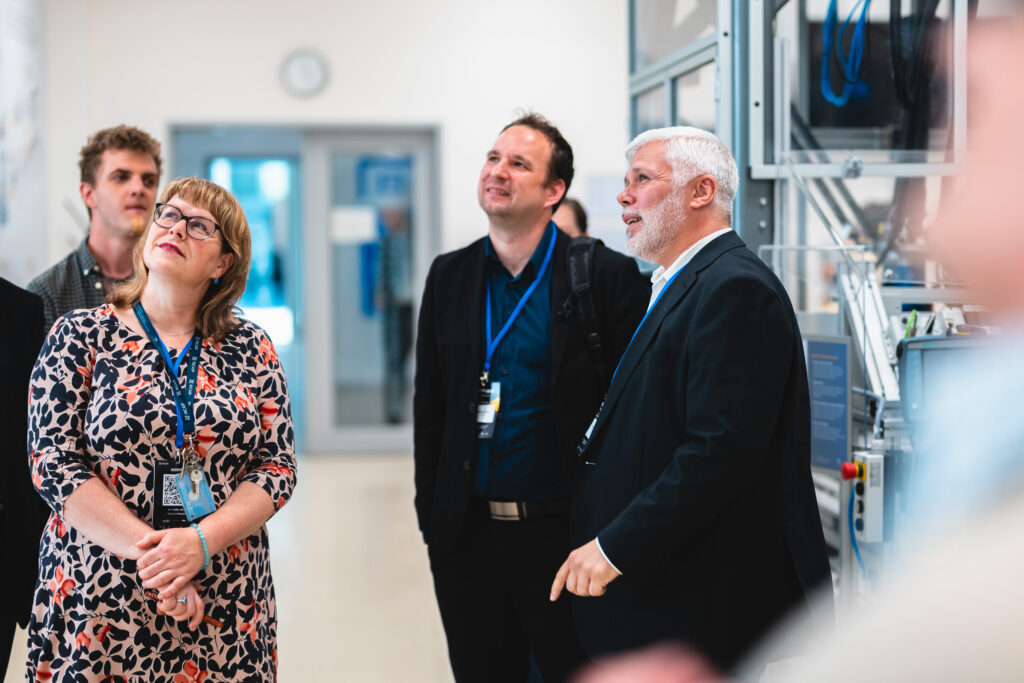
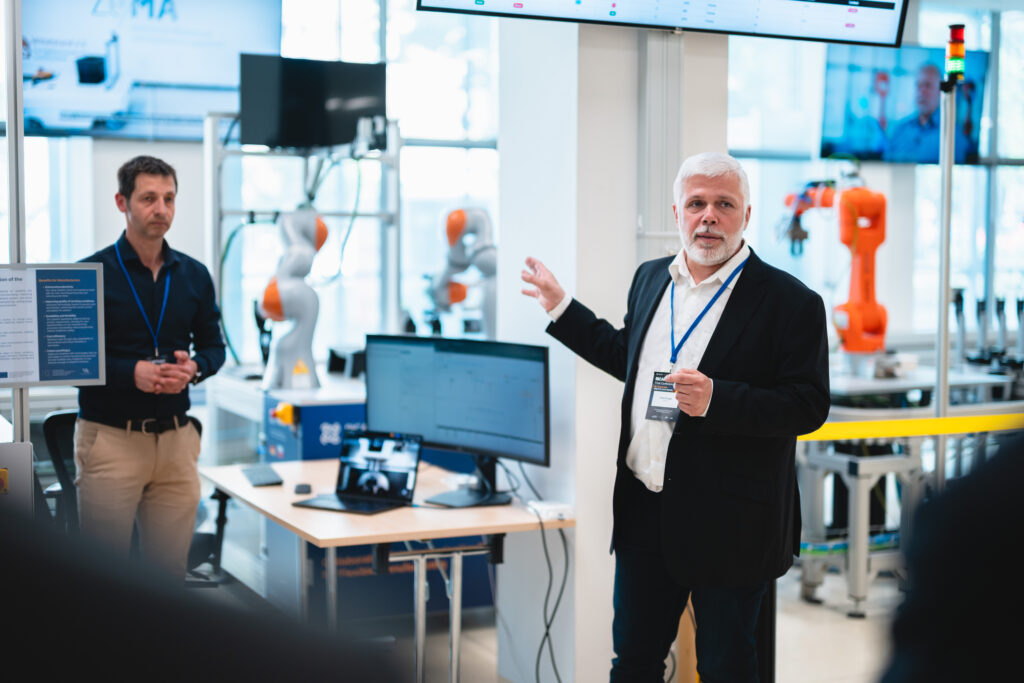
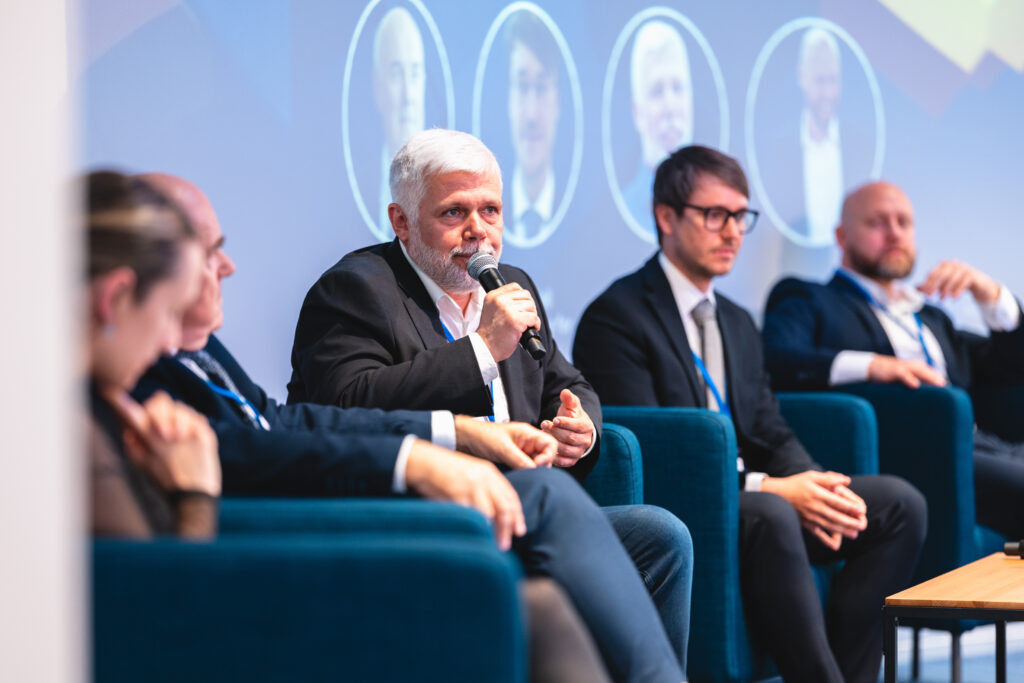
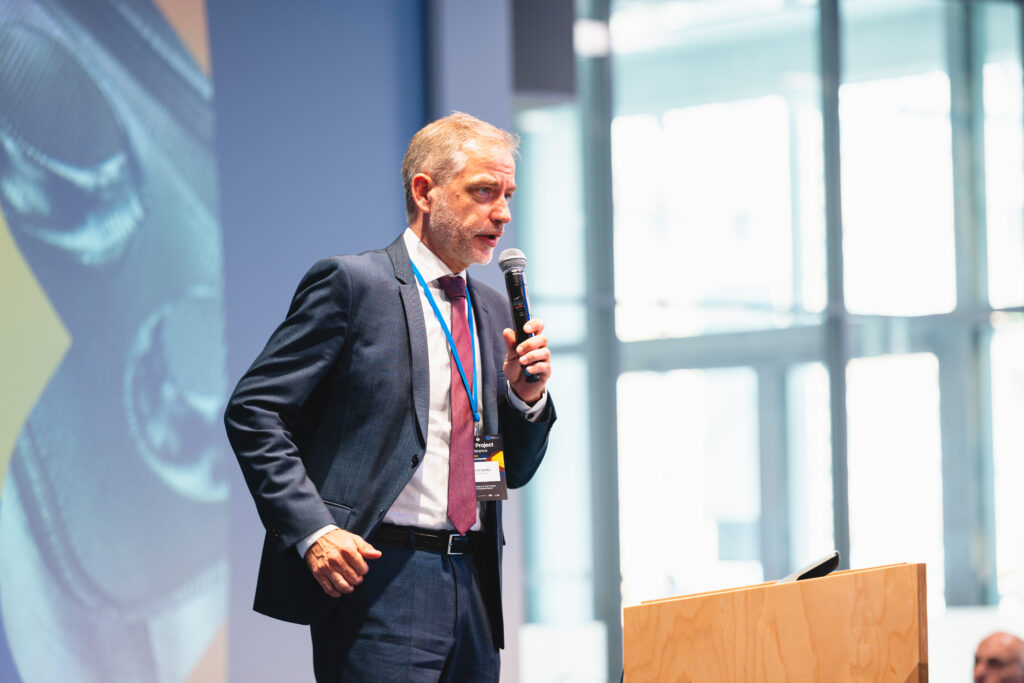
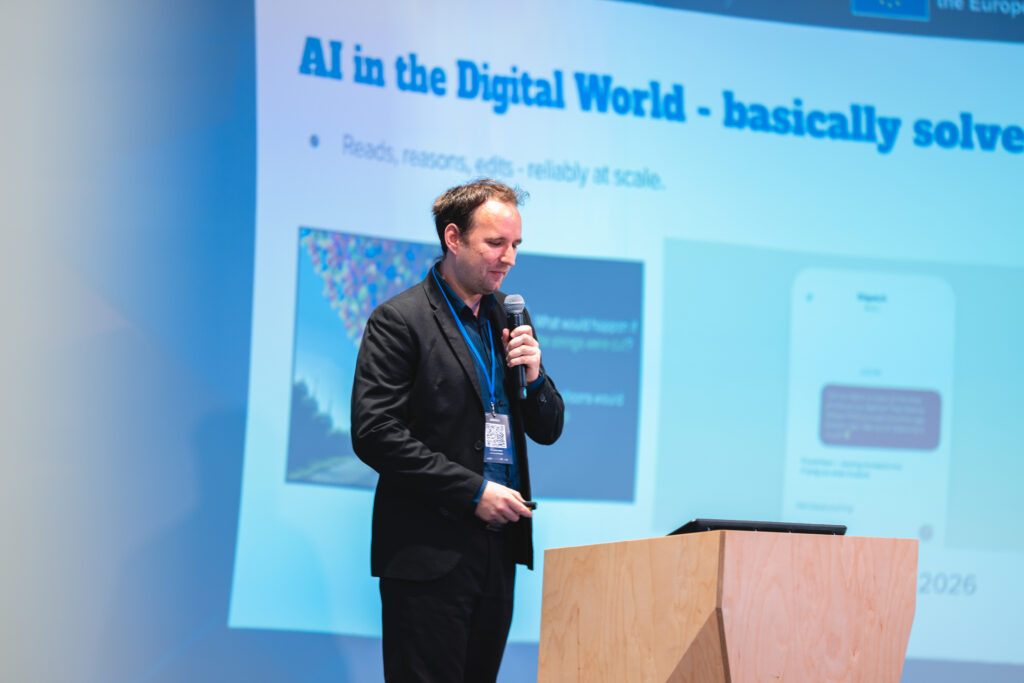
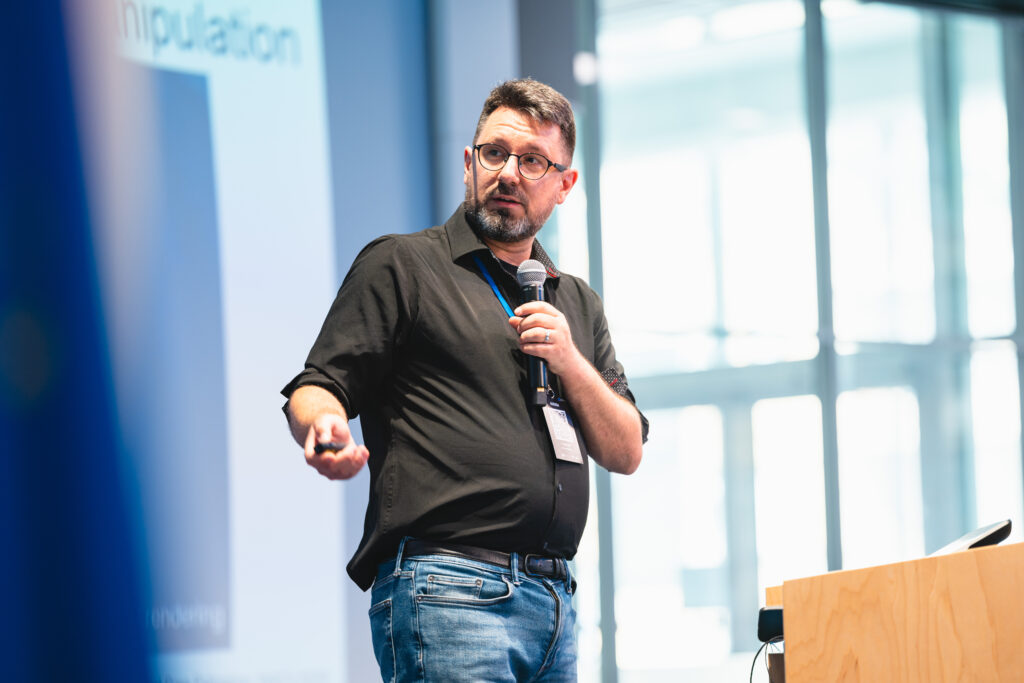
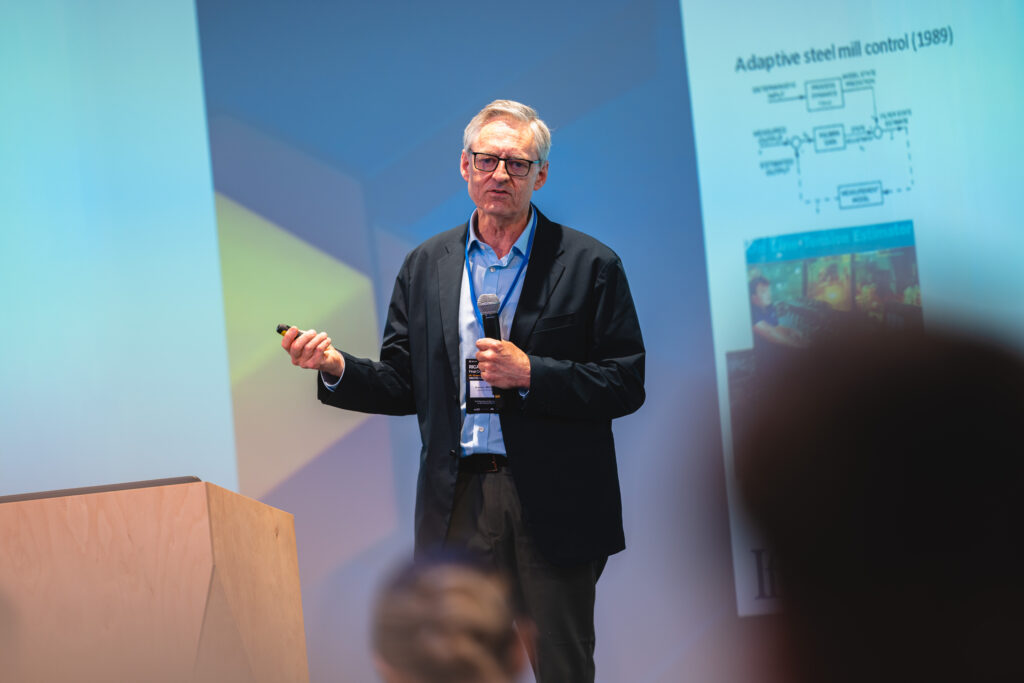
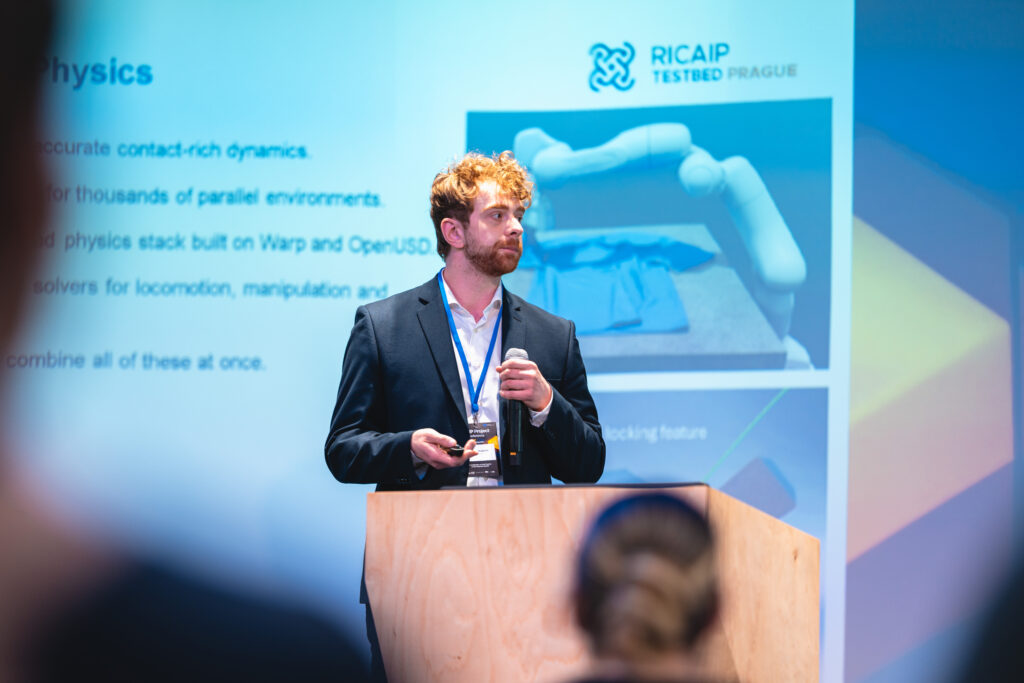
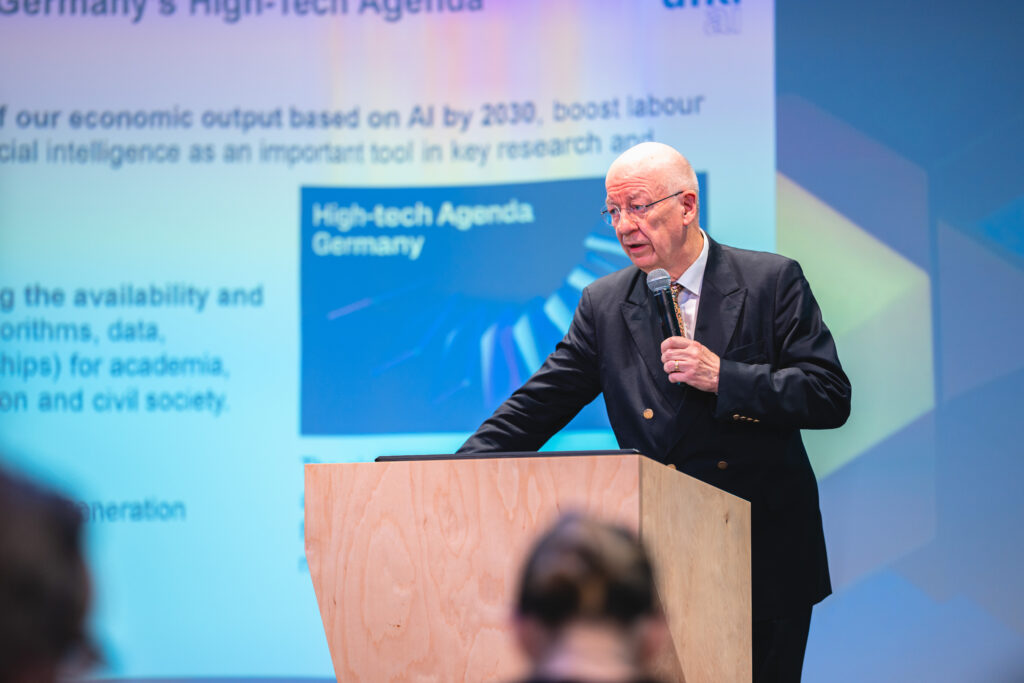
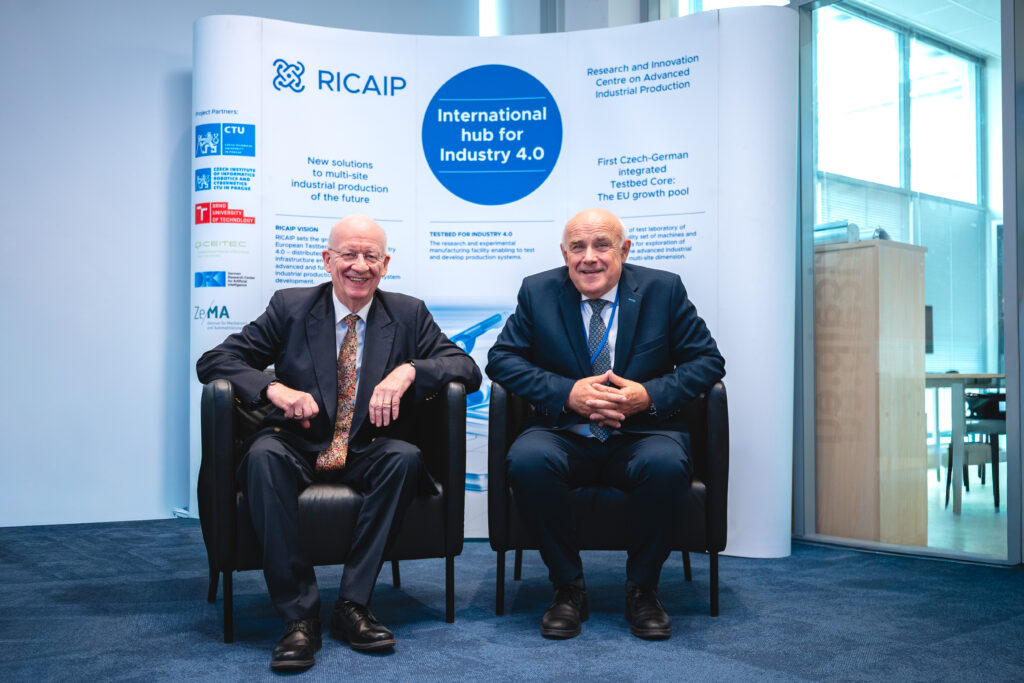
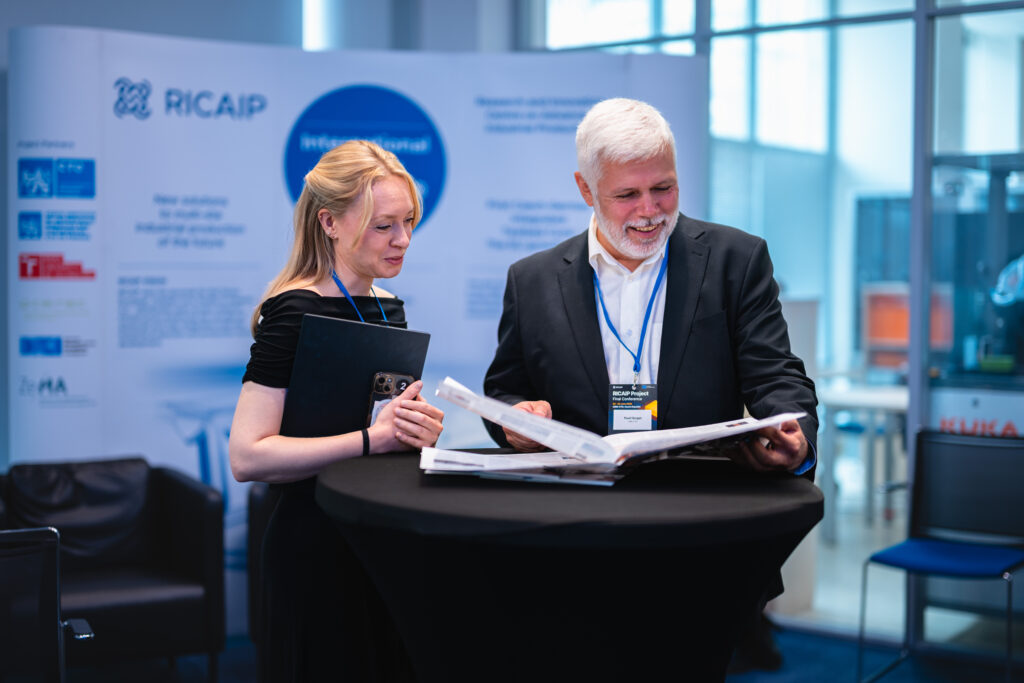
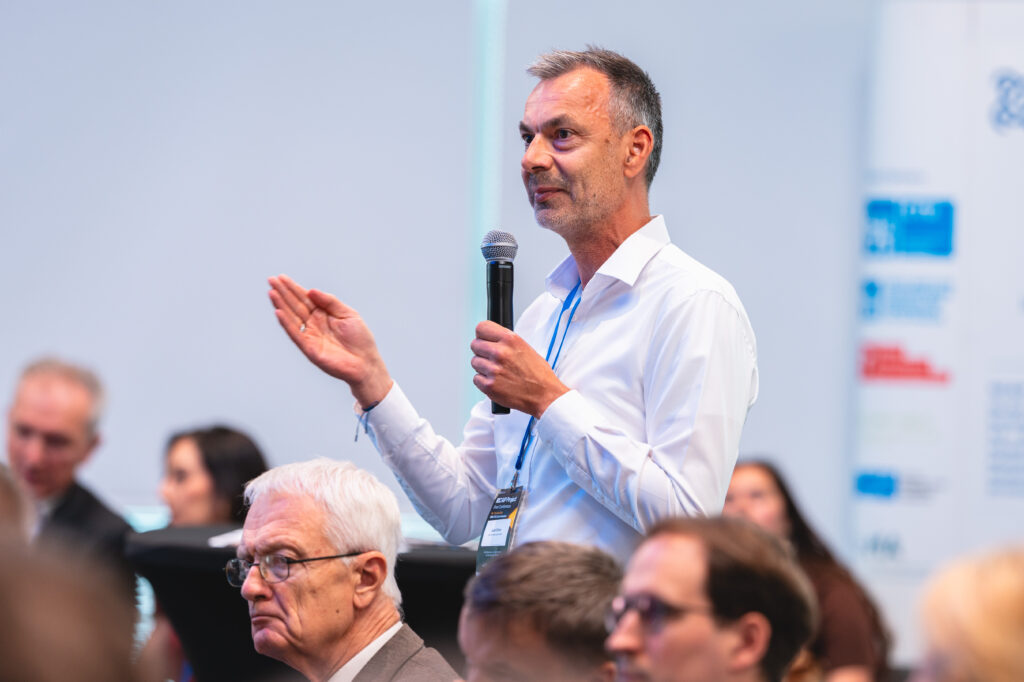
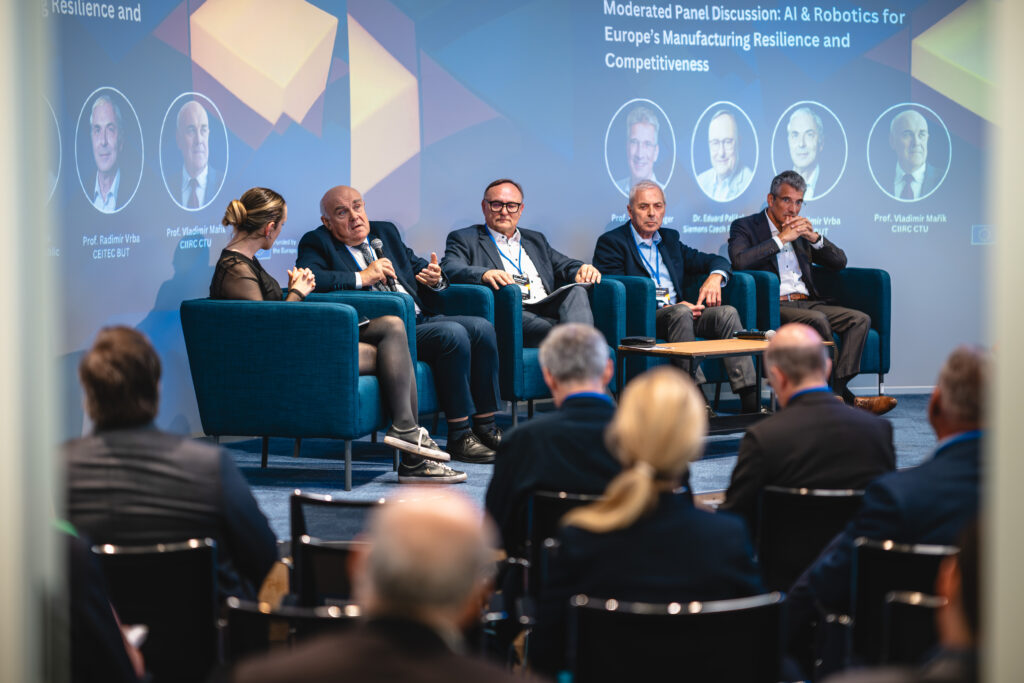
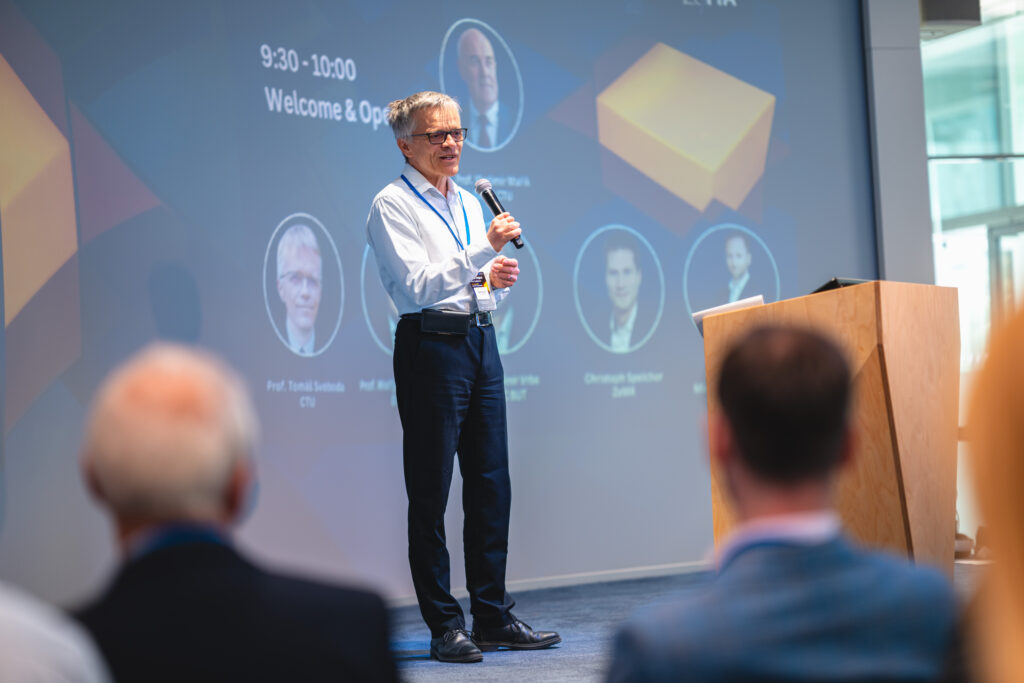
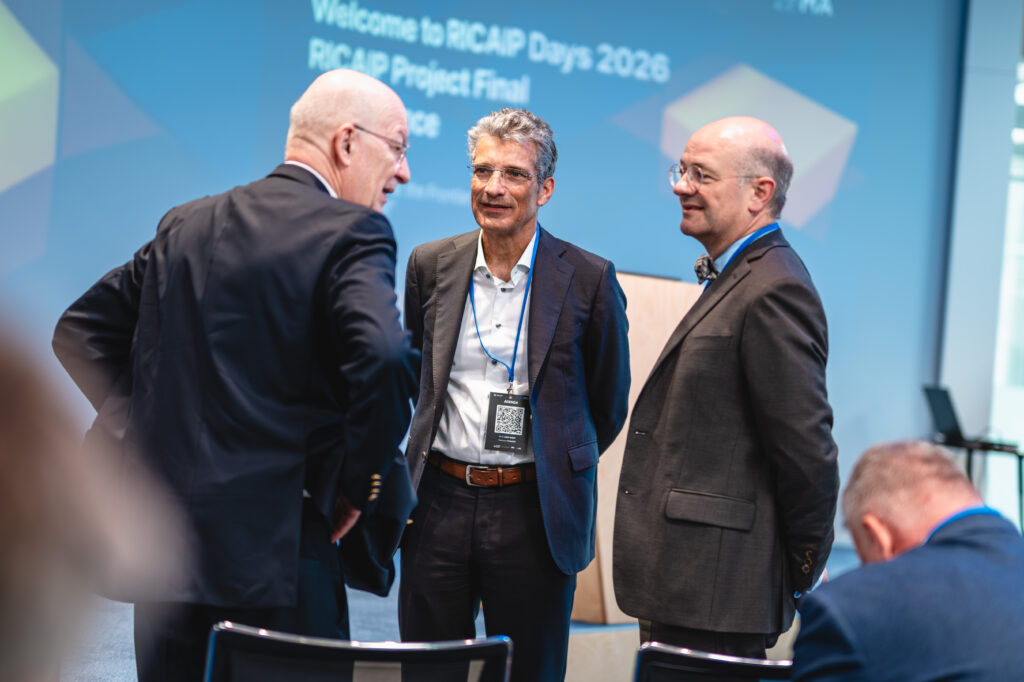
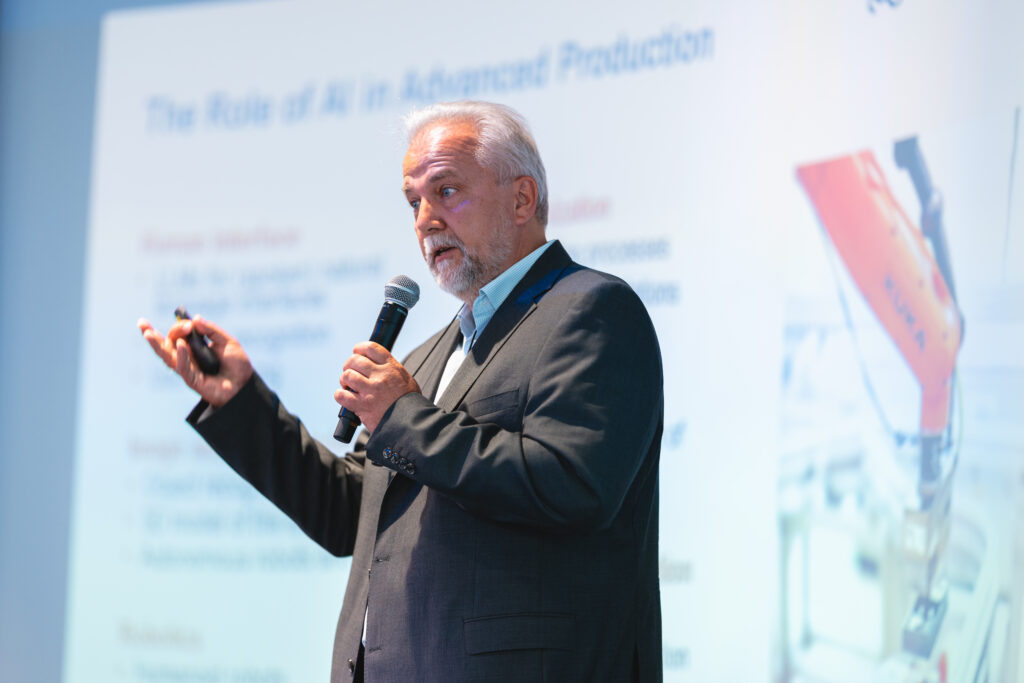
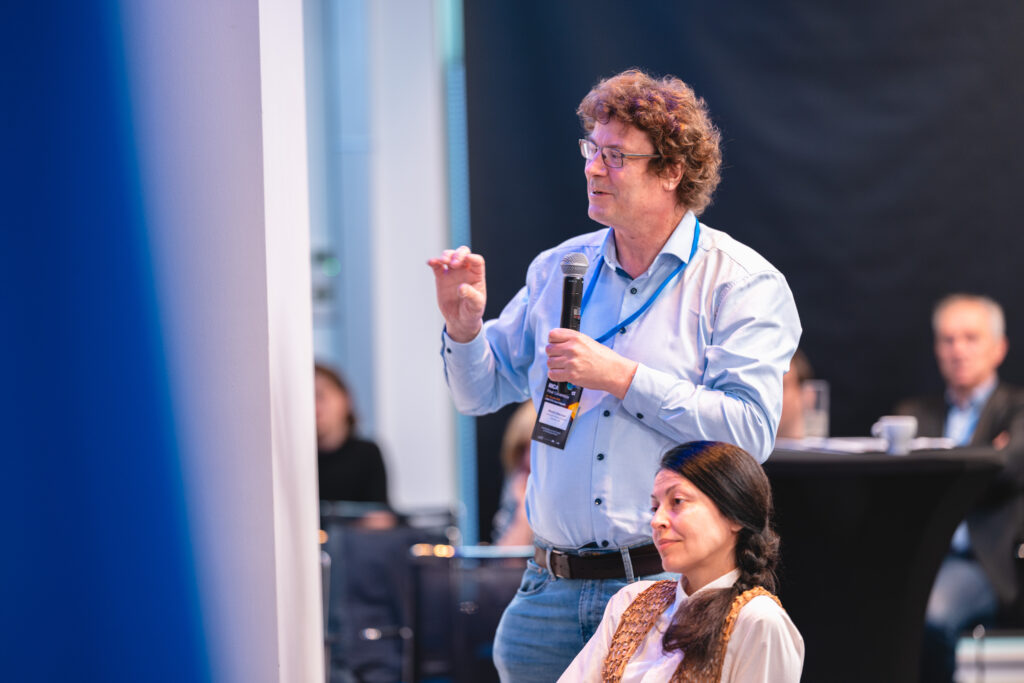
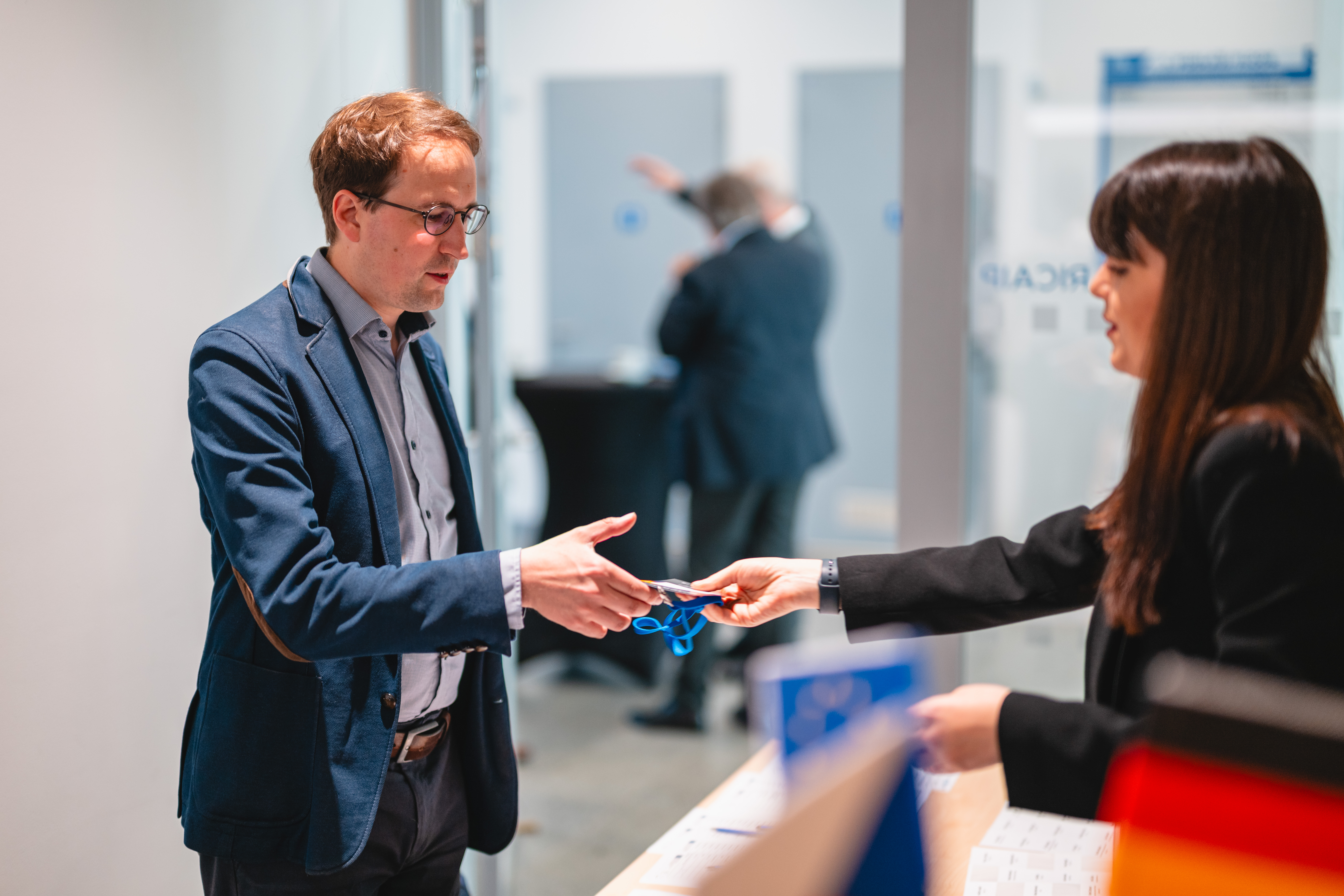
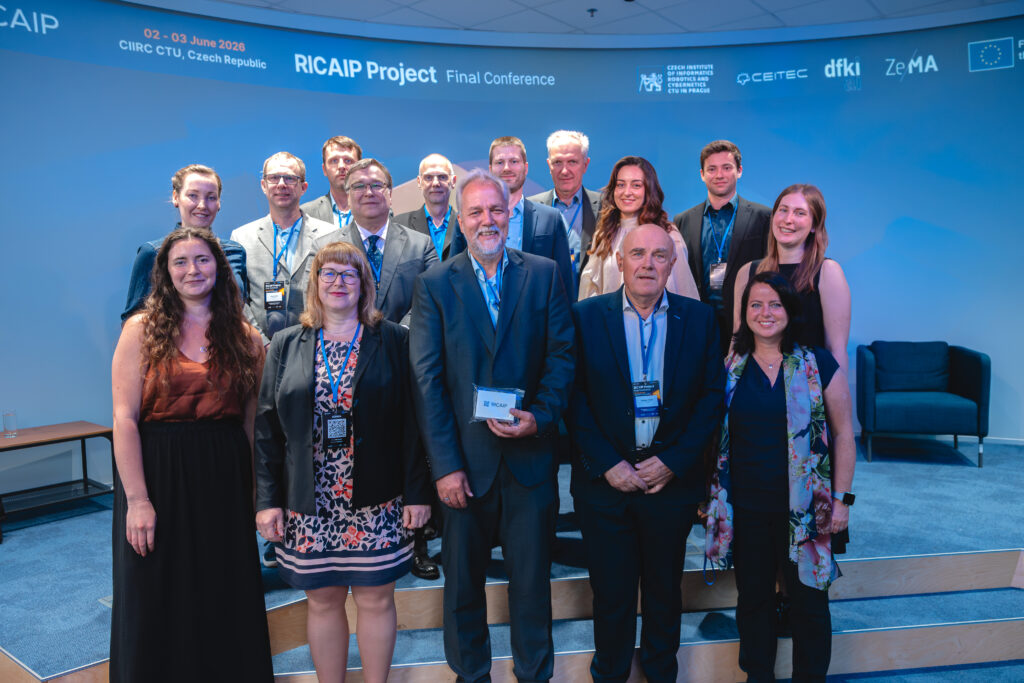
The future of European industry will not be shaped solely by whether Europe can keep pace with the rapid development of artificial intelligence. Its competitiveness will depend above all on how successfully AI can be transferred from the digital domain into the physical world – into robots, production lines, logistics systems, and other technologies that underpin everyday life. This challenge was at the heart of the international RICAIP Days 2026, hosted in Prague by the Czech Institute of Informatics, Robotics and Cybernetics at the Czech Technical University (CIIRC CTU). The event brought together leading European experts from research, industry, and the public sector, while also marking the symbolic conclusion of the nearly seven-year RICAIP project, which established a unique Czech-German infrastructure for research, testing, and deployment of industrial artificial intelligence in practice.
Thanks to €48 million in support from European and national funding sources, the RICAIP (Research and Innovation Centre on Advanced Industrial Production) project has created an interconnected ecosystem of industrial testbeds at CIIRC CTU and CEITEC BUT in Brno, linked with leading German research centres DFKI and ZeMA, as well as additional partner institutions across Europe. The testbeds enable systematic development and testing of new approaches in industrial AI, robotics, distributed manufacturing, and advanced automation under conditions close to real-world industrial operations, significantly strengthening the ability to transfer research results into industrial practice.
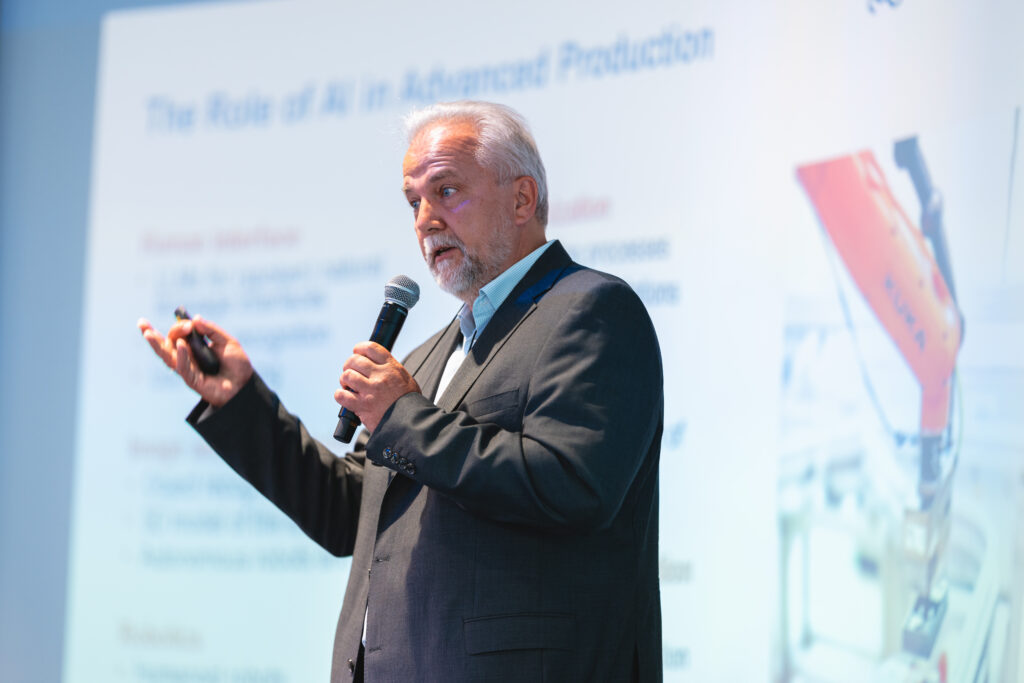
“RICAIP is a truly European effort. At the intersection of education, research, innovation and industrial development, we have built a technological infrastructure and a network of teams in the Czech Republic and German that can be a leader in the future of Industry 4.0,” said Dr. Tilman Becker, Director of the RICAIP project. “We have set up the RICAIP testbeds and filled them with an ecosystem of collaboration with many stakeholders. At the same time, it is an ongoing process of setting up a sustainable format as the RICAIP Centre and continuing to expand European cooperation.”
The conference opened a broader discussion on how intelligent physical systems, autonomous robotics, and AI-driven manufacturing will shape the future of European industry. Keynote speakers included Prof. Wolfgang Wahlster from DFKI, one of the founding figures of Industry 4.0, and Prof. Duncan McFarlane from the University of Cambridge, a leading expert in industrial intelligence systems and digital twins. The programme also featured Valentina Ivanova, Deputy Director for European and International Affairs at CEA-List and coordinator of the European AI-MATTERS initiative focused on testing and experimentation facilities for AI in manufacturing. Their contributions provided a forward-looking perspective on industrial AI, robotics, and intelligent physical systems in a European context.
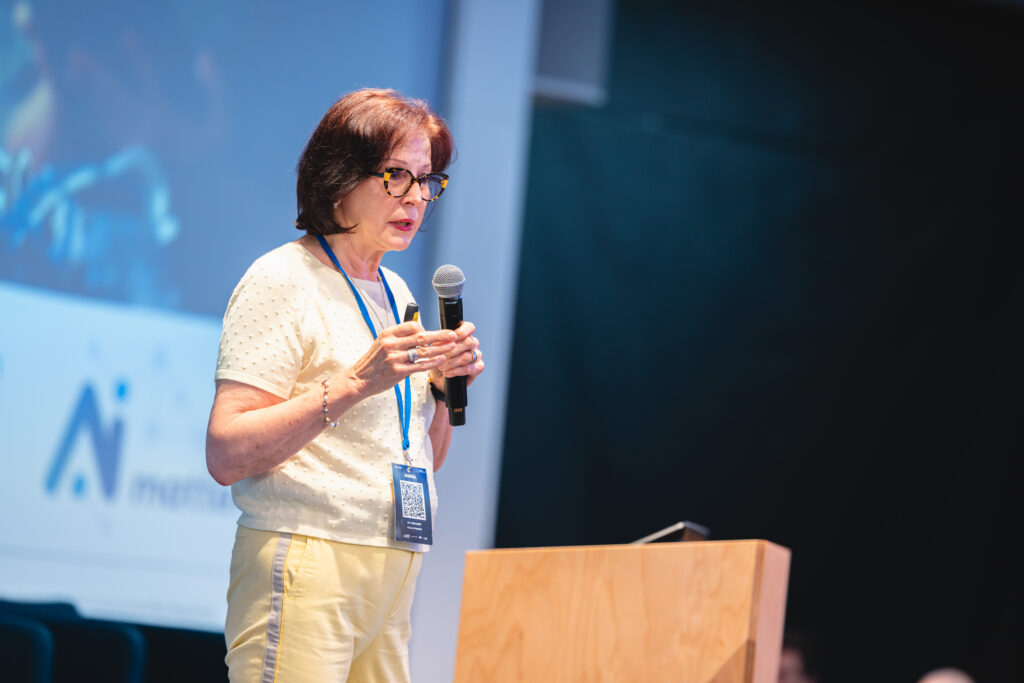
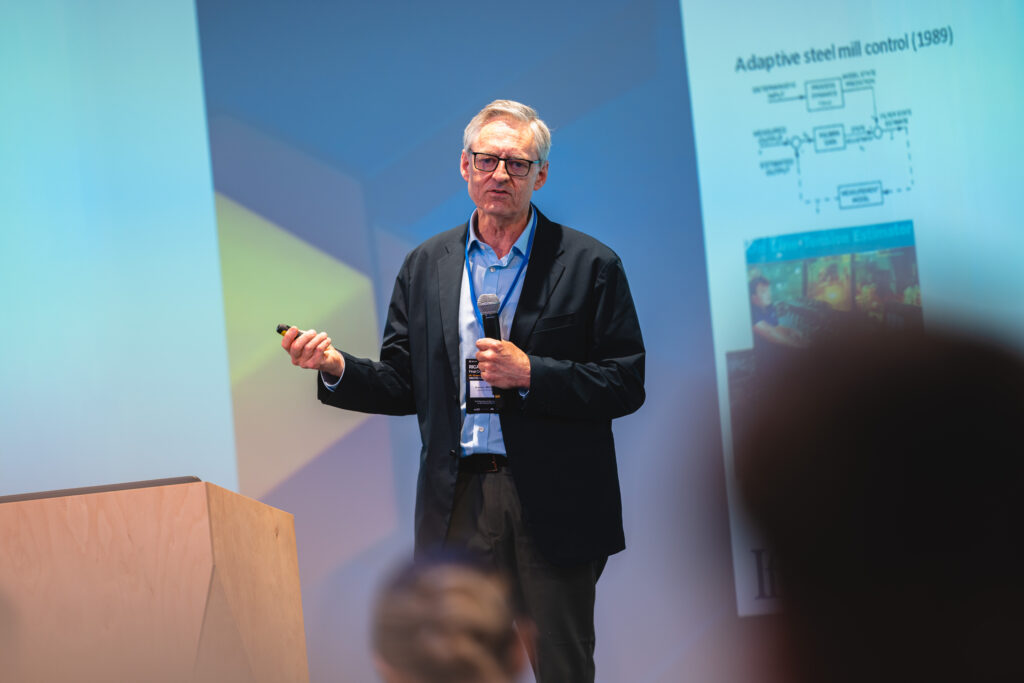
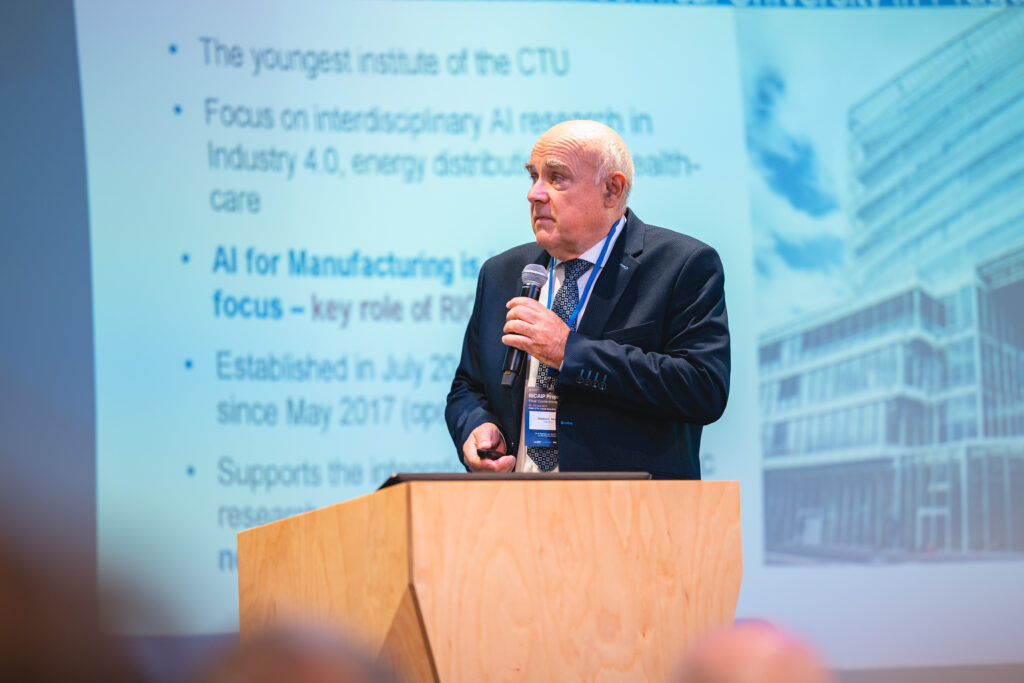
The interaction between artificial intelligence and the physical world is one of the key scientific and technological challenges of our time, with a profound impact on the future of manufacturing, logistics, and other industrial sectors,” said Prof. Vladimír Mařík, Scientific Director of CIIRC CTU and principal investigator of the RICAIP project. “RICAIP has created a strong environment for the development of the Czech AI ecosystem and has significantly contributed to new initiatives such as the Czech AI Factory“
According to Prof. Mařík, close cooperation between Czech institutions and German partners DFKI and ZeMA has played a crucial role. “Thanks to this collaboration, CIIRC CTU in Prague and CEITEC BUT in Brno are now recognised as respected European centres of excellence in industrial AI, also involving VSB – Technical University of Ostrava. At the same time, we are working intensively to ensure the long-term sustainability of both the infrastructure and research potential, as European industry will require strong scientific and technological support during the ongoing digital transformation.”

“Collaboration initiated within RICAIP contributes to European digital sovereignty in the field of industrial artificial intelligence,” said Prof. Antonio Krüger, CEO of the German Research Centre for Artificial Intelligence (DFKI). “Close cooperation and the shared use of state-of-the-art test environments have created a European innovation ecosystem that enables us to independently develop, scale, and deploy key technologies in industrial AI.”
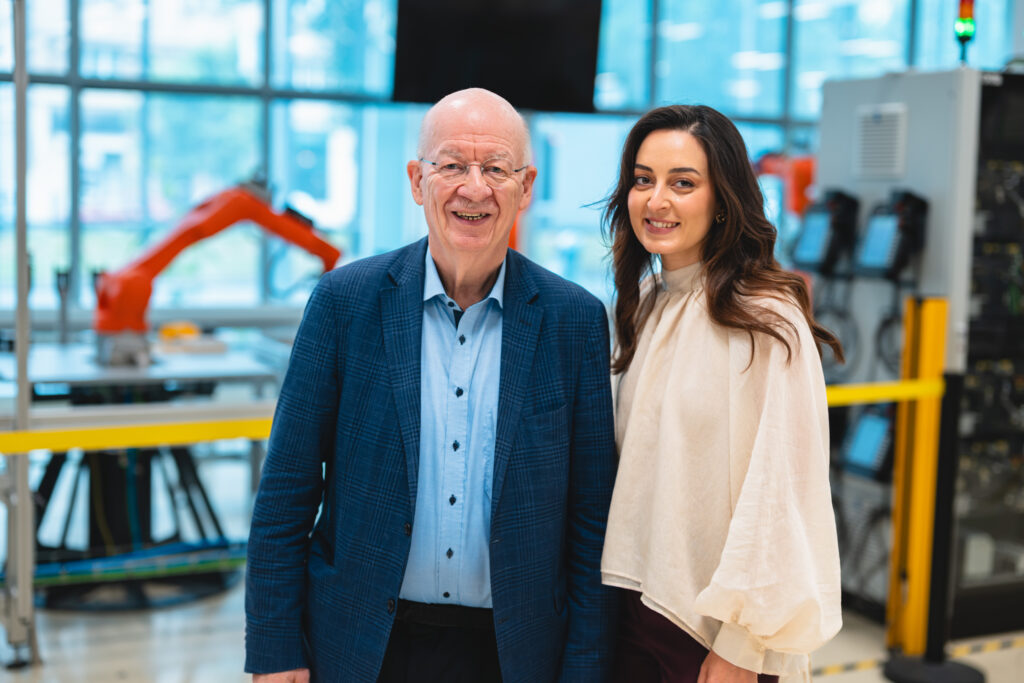
The importance of interconnected testbeds was also highlighted by representatives of individual sites. “The future of industrial AI is not created in isolated laboratories, but in interconnected research infrastructures where technologies, expertise, and experiments can be shared across countries,” said Khansa Rekik from ZeMA. “Within RICAIP, we were able to connect locally developed robotic and AI solutions into broader distributed manufacturing scenarios.”
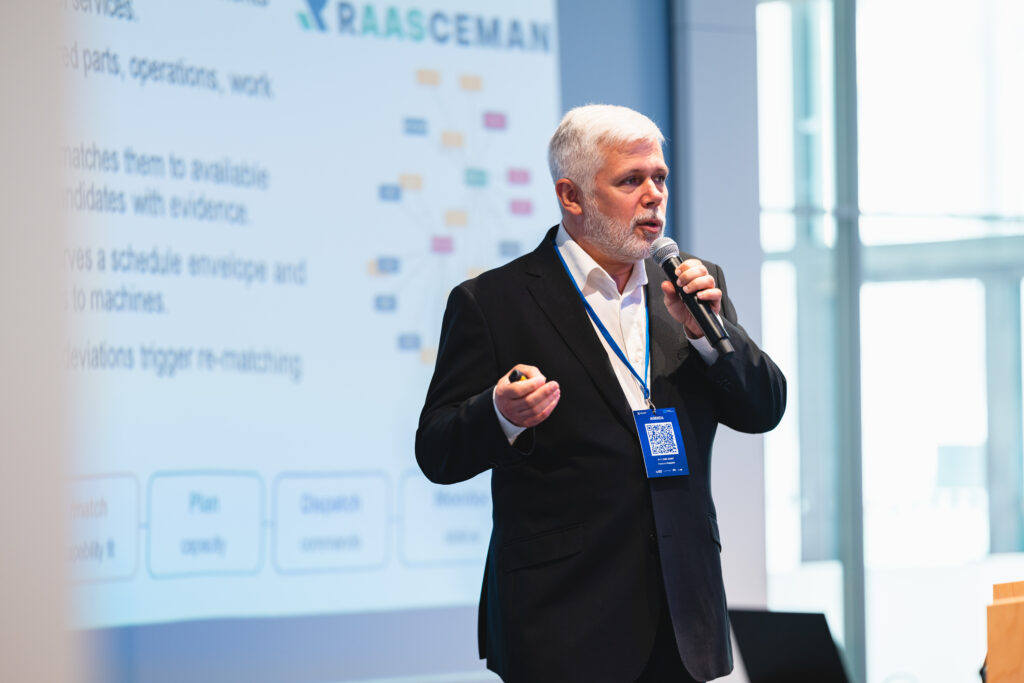
“RICAIP represented a major qualitative leap for our testbed,” added Dr. Pavel Burget, Director of the RICAIP Testbed Prague. “We have created an environment where cutting-edge research meets real industrial applications – from autonomous robotic manipulation and digital twins to AI-based quality inspection in extremely short production cycles.”
“Long-term international cooperation and shared research infrastructures are key to developing future technologies. For our institute, participation in such initiatives is an opportunity not only to advance research, but also to transfer its results into industrial practice and strengthen European competitiveness in AI and advanced manufacturing,” confirmed Prof. Radimír Vrba, Director of CEITEC BUT in Brno.


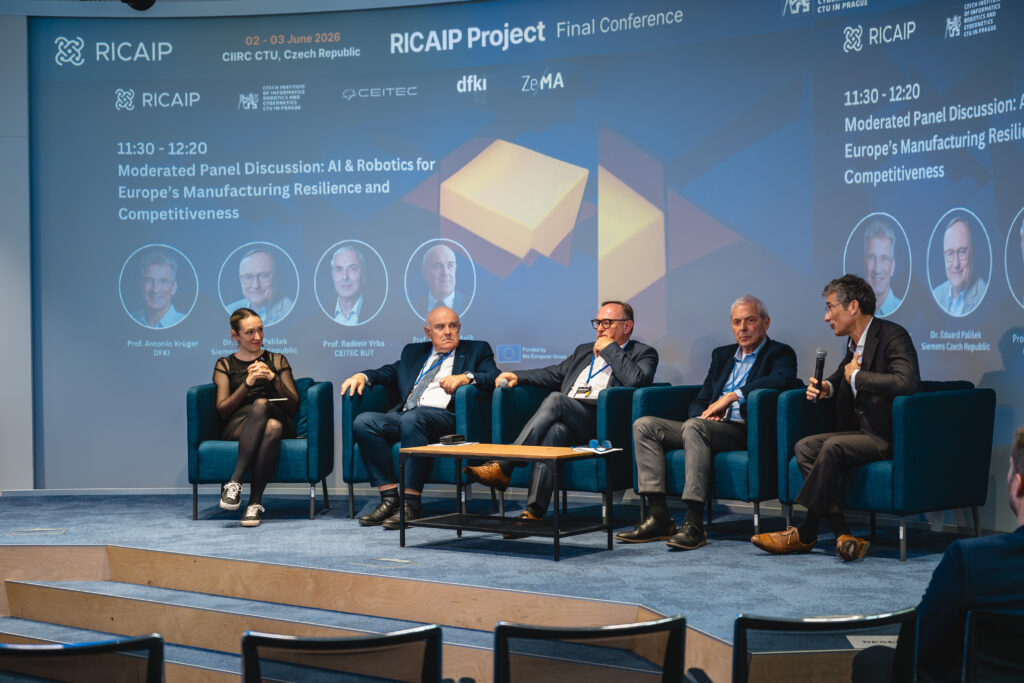
The importance of cooperation between research and industry was also emphasised by representatives of the industrial sector. “Strengthening Europe’s competitiveness requires much closer cooperation between research and industry. Initiatives such as collaboration between companies, CIIRC CTU, and infrastructures like RICAIP clearly demonstrate how research results can be transformed into real industrial value. Digitalization, automation, and artificial intelligence will be the key drivers of transformation in European industry in the coming decade. At the same time, we need an environment that motivates companies to invest in research and innovation,” said Martin Jahn, Member of the Board for Sales and Marketing at Škoda Auto, Vice-President of the Confederation of Industry of the Czech Republic, and President of AutoSAP.
“If Europe is to remain competitive on the global stage, we cannot innovate in isolation,” added Eduard Palíšek, CEO of Siemens Czech Republic. “Close collaboration between industry and academia, such as that represented by CIIRC CTU and the RICAIP testbeds, allows us not only to validate new technologies in real industrial environments, but also to jointly address challenges such as manufacturing resilience and cybersecurity. True competitiveness is not built on new technologies alone, but also on the courage to share know-how and push the boundaries of what digitalization makes possible.“
RICAIP Days 2026 thus represented not only the conclusion of a successful European project, but above all the beginning of a new phase of European cooperation in industrial AI, intelligent physical systems, and technology transfer between research and industry.
The conference was followed by Tech Dating 2026, an open day at CIIRC CTU for companies, organised in cooperation with EDIH CTU, AI-MATTERS, the National Centre for Industry 4.0, CzechInvest, and other partners. It offered hands-on consultations, technology demonstrations, and the opportunity to discuss concrete challenges in AI, automation, and digitalisation directly with research teams from CIIRC CTU and partner institutions.