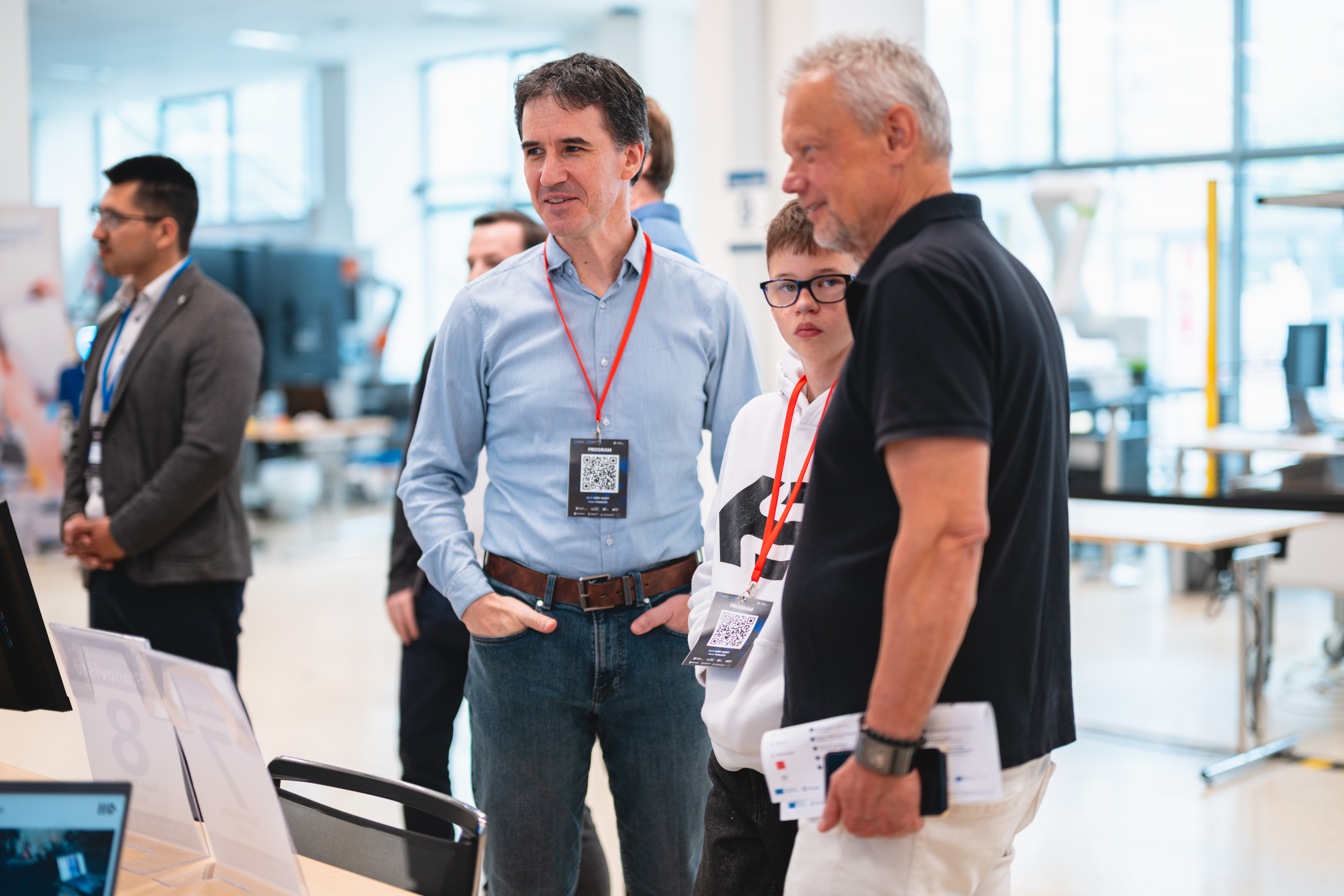
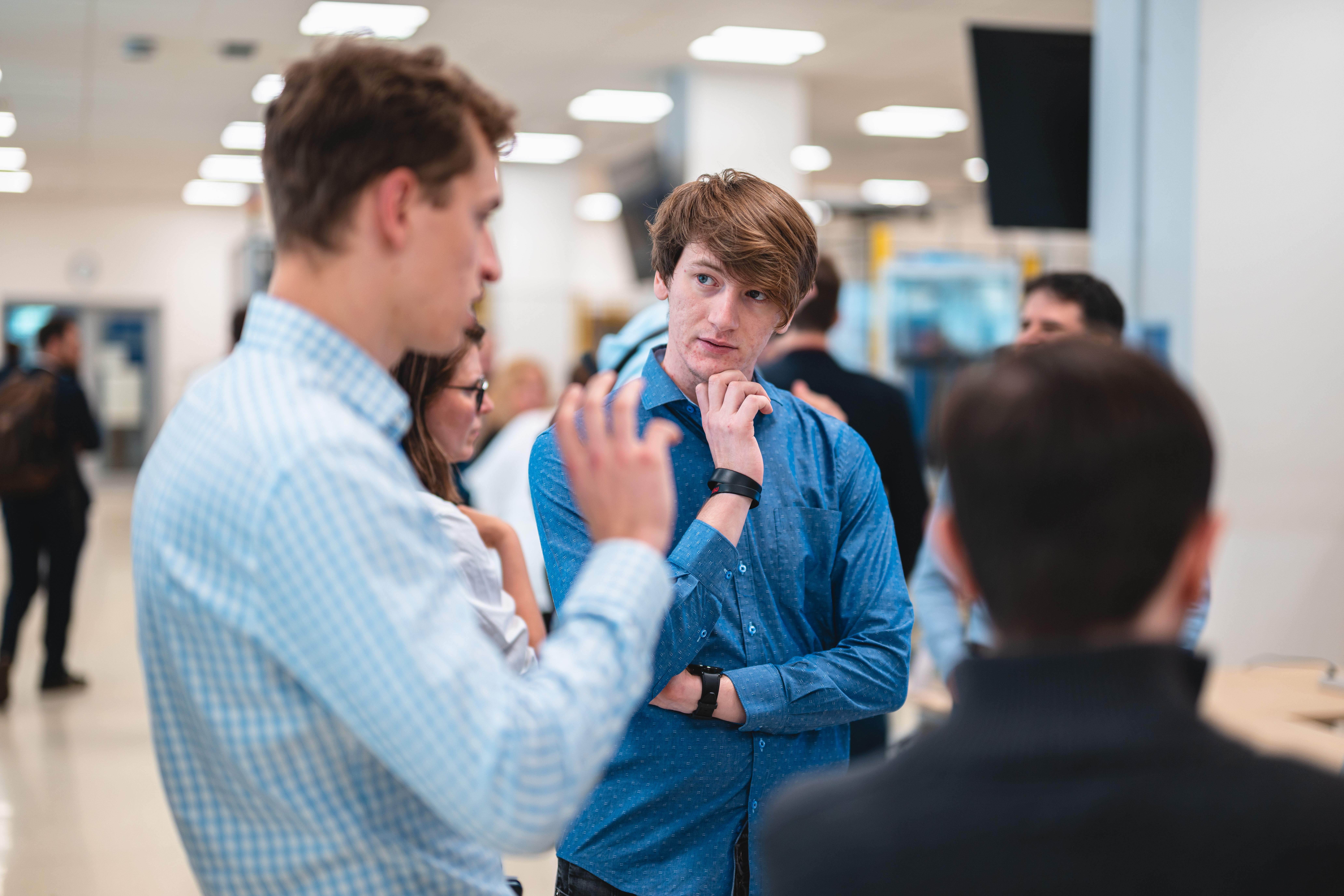
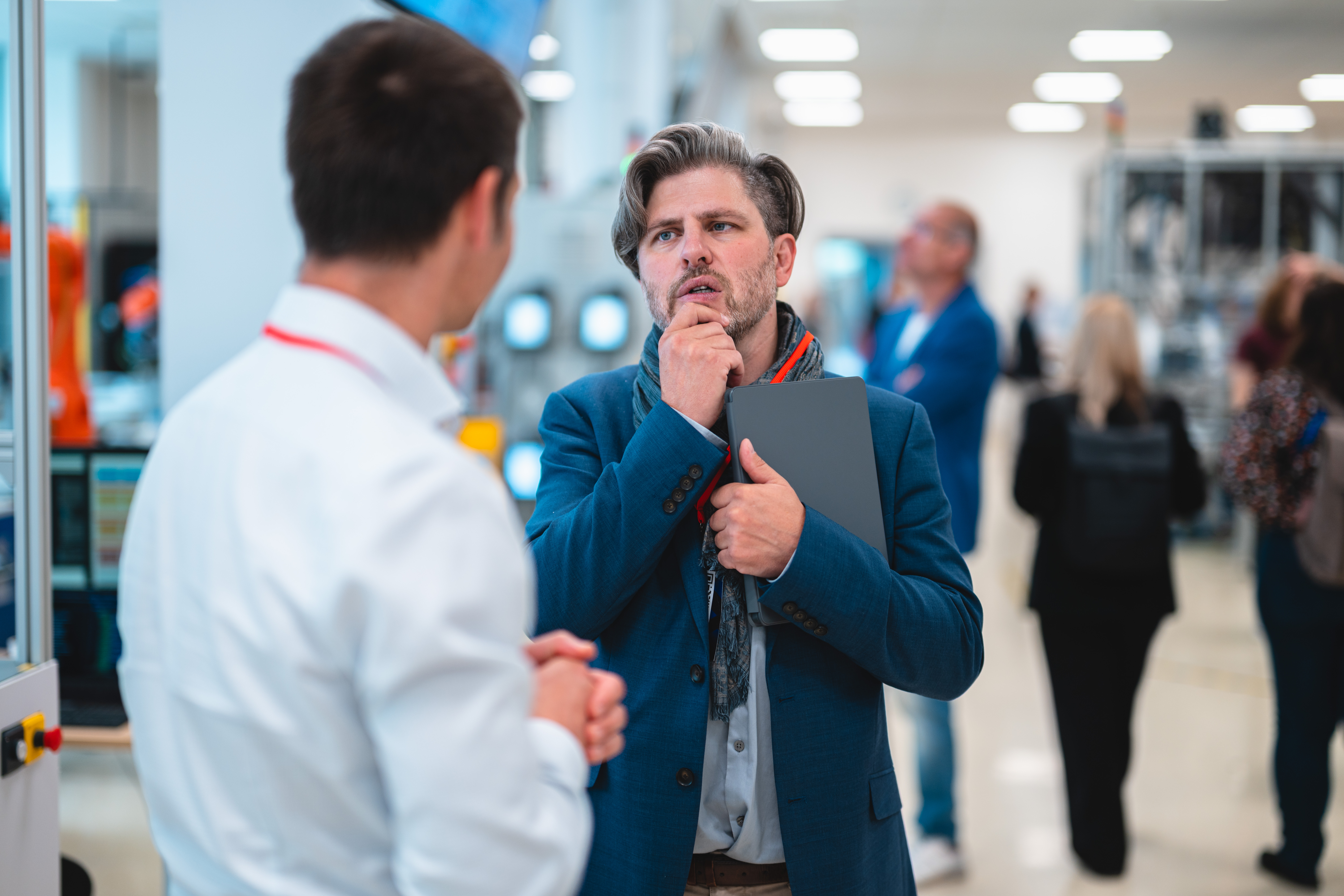
How can companies, research, and technologies be connected so that presentations don’t turn into noise, but instead lead to concrete solutions? This year’s Tech Dating 2026 at CIIRC CTU showed that the answer doesn’t lie in lectures, but in dialogue. And even more so in what follows – targeted consultations, testing, and direct access to research laboratories.
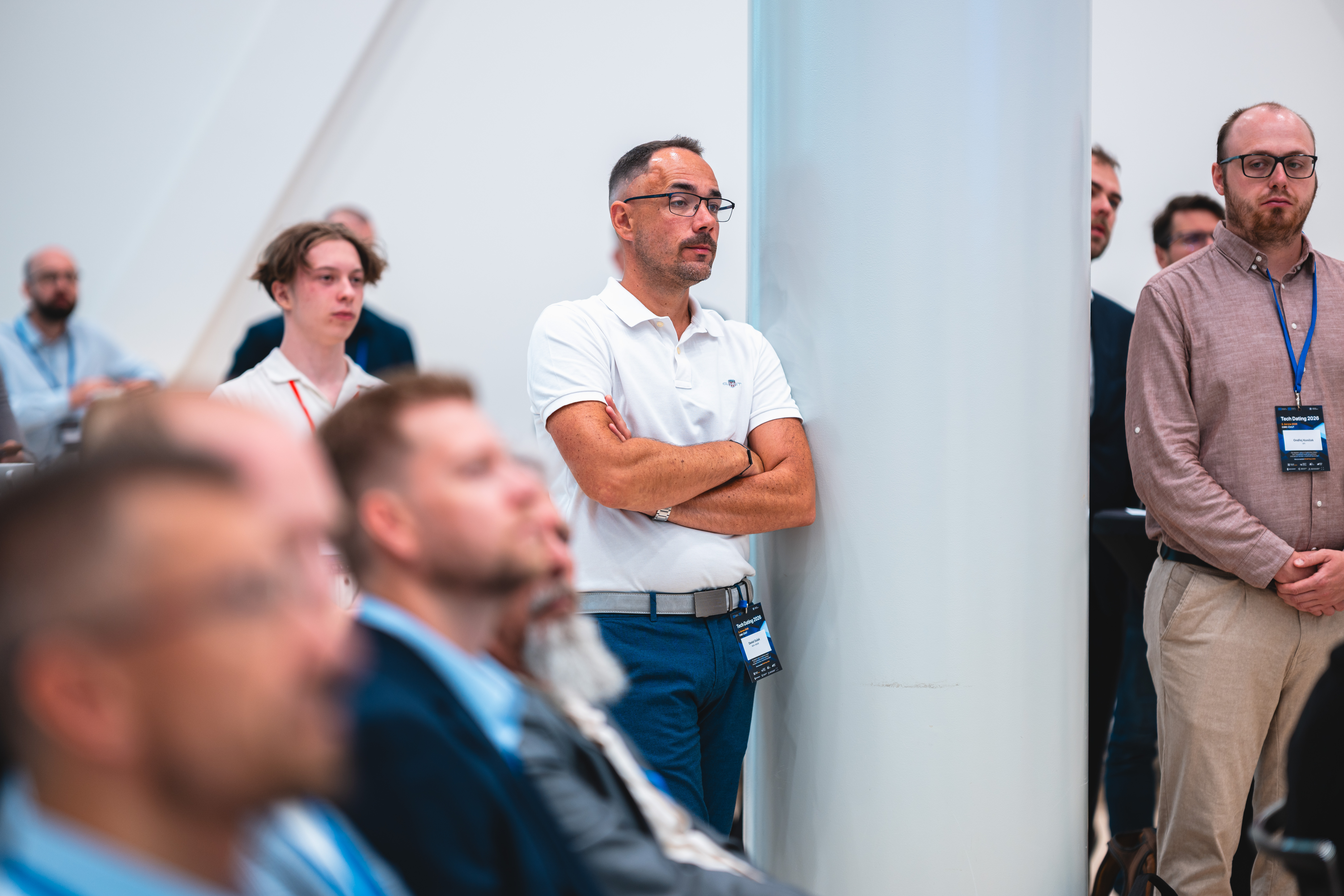
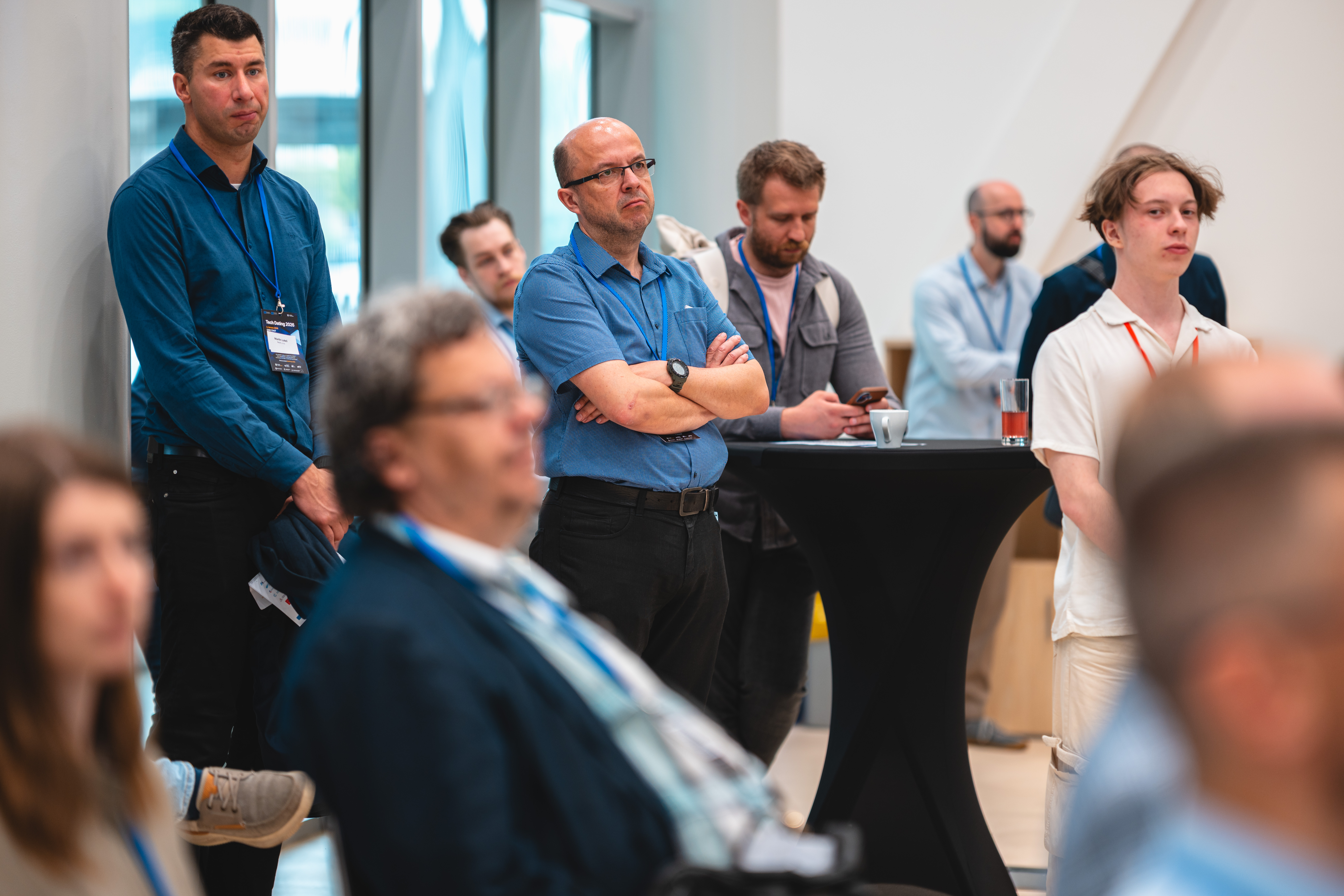
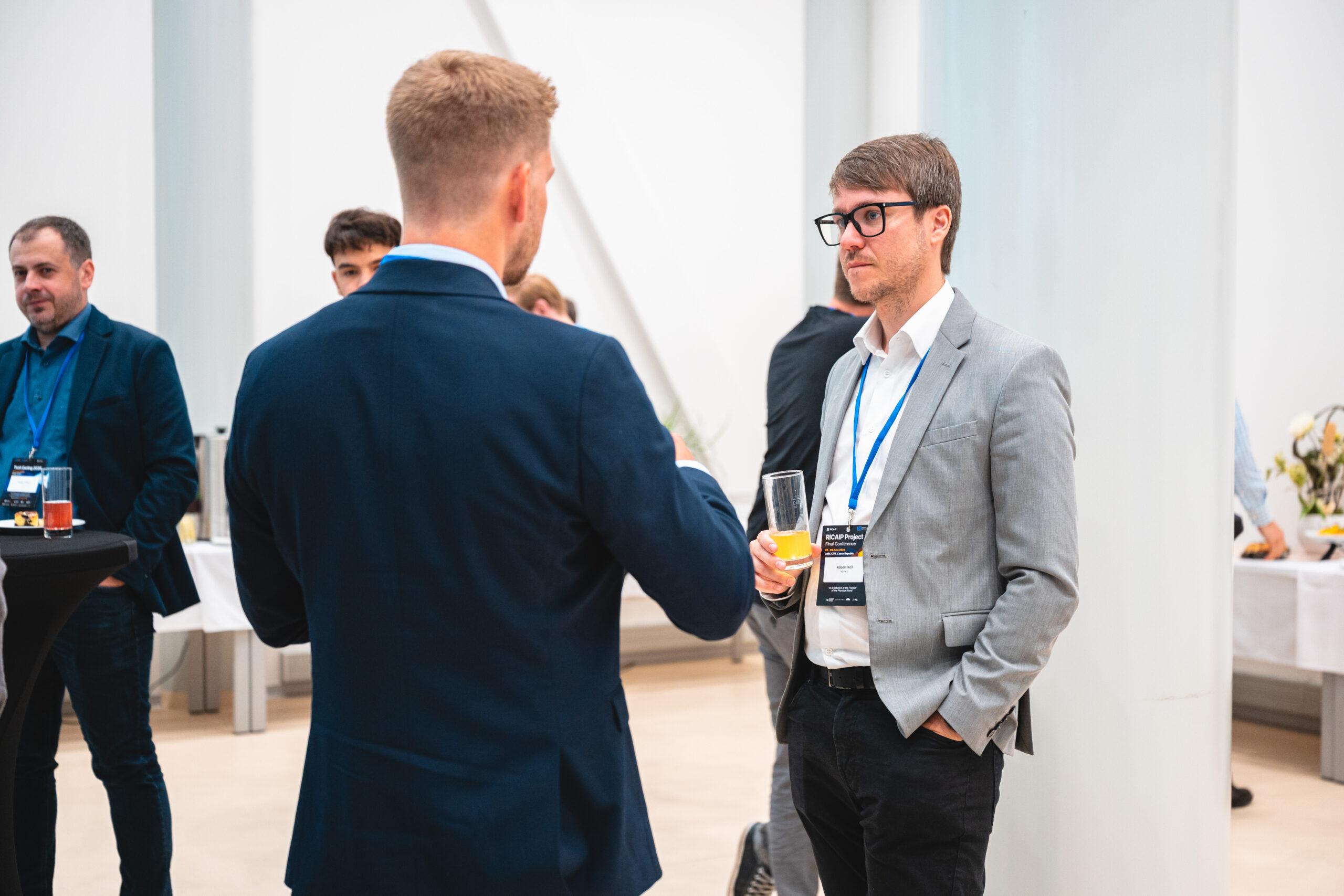
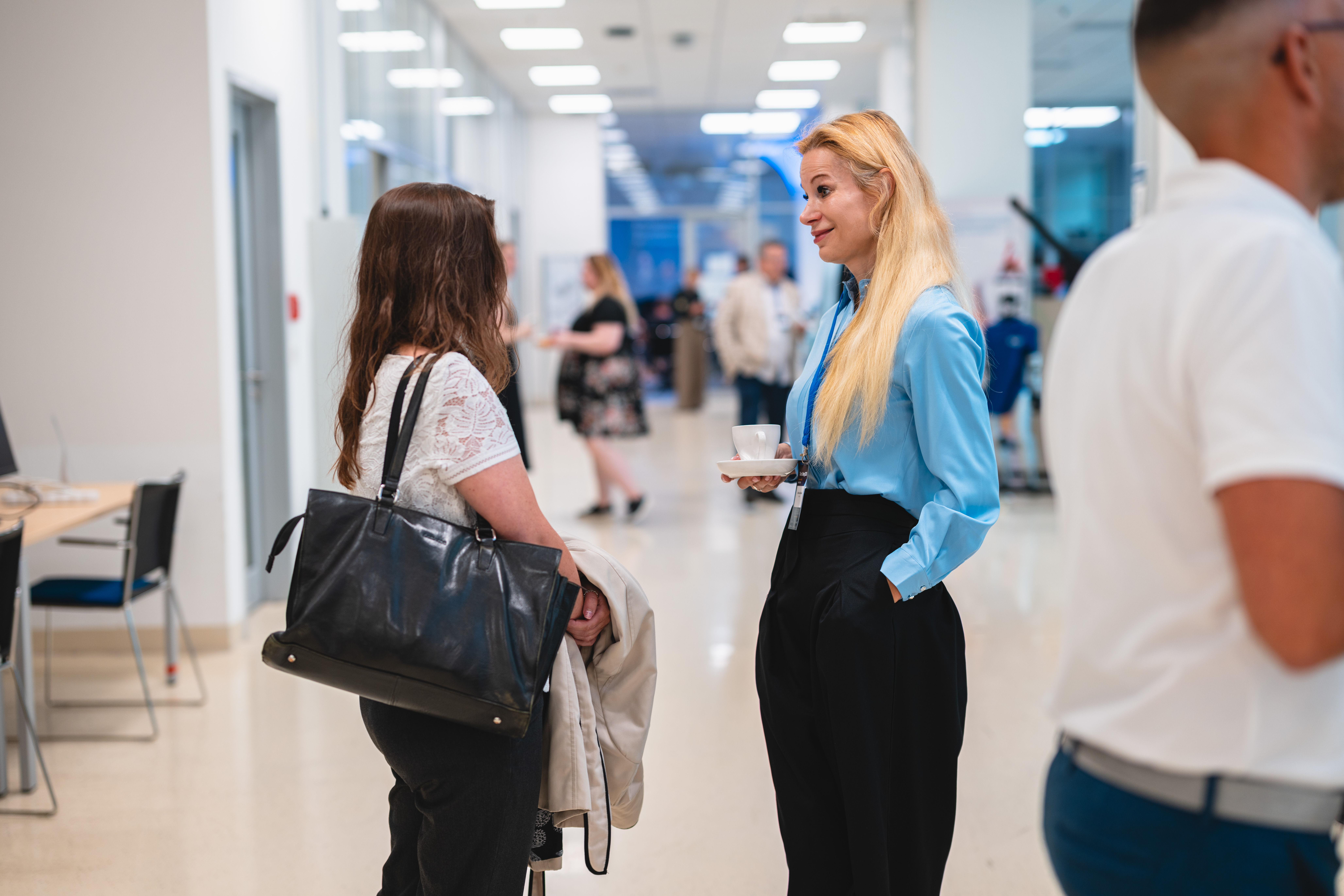
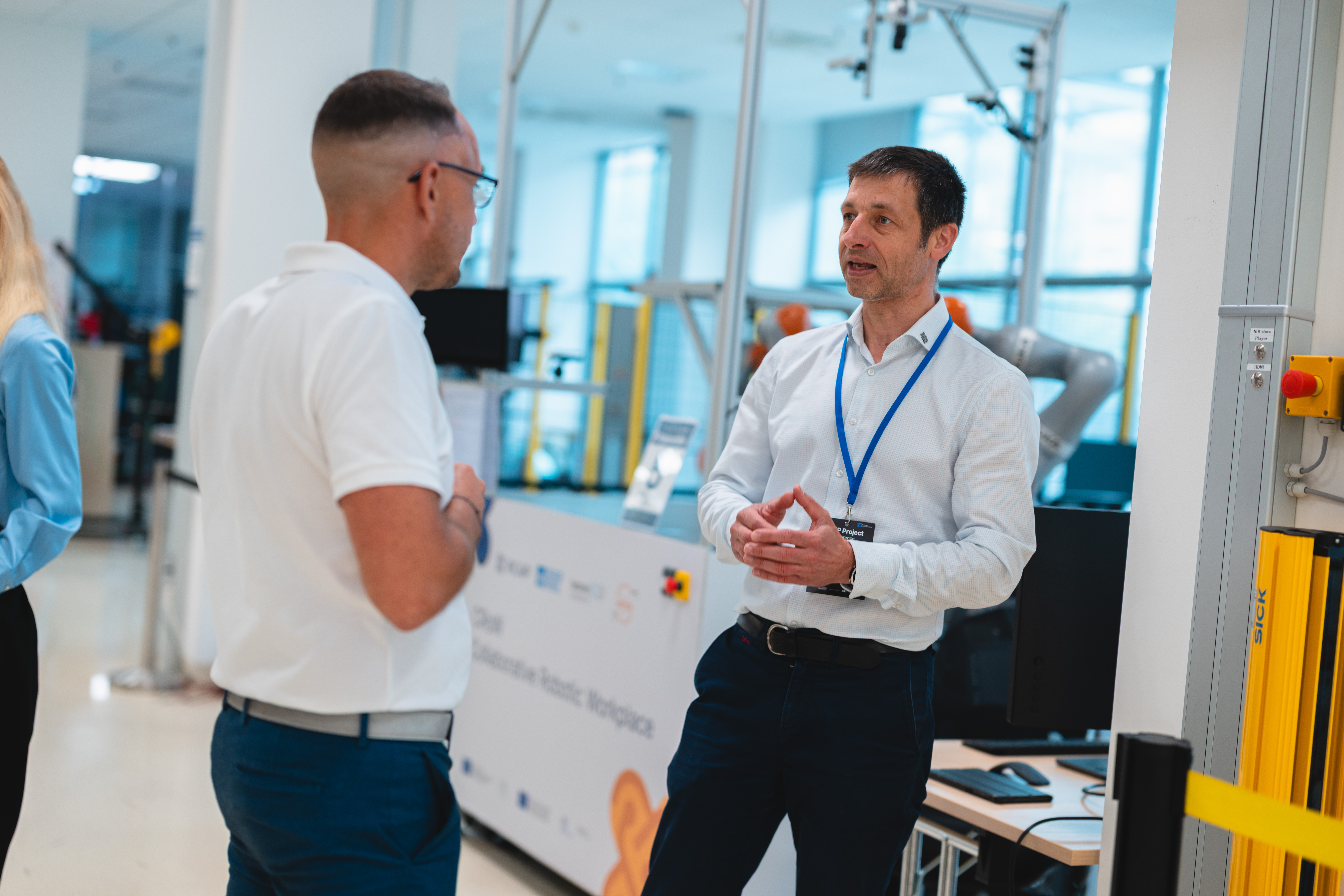
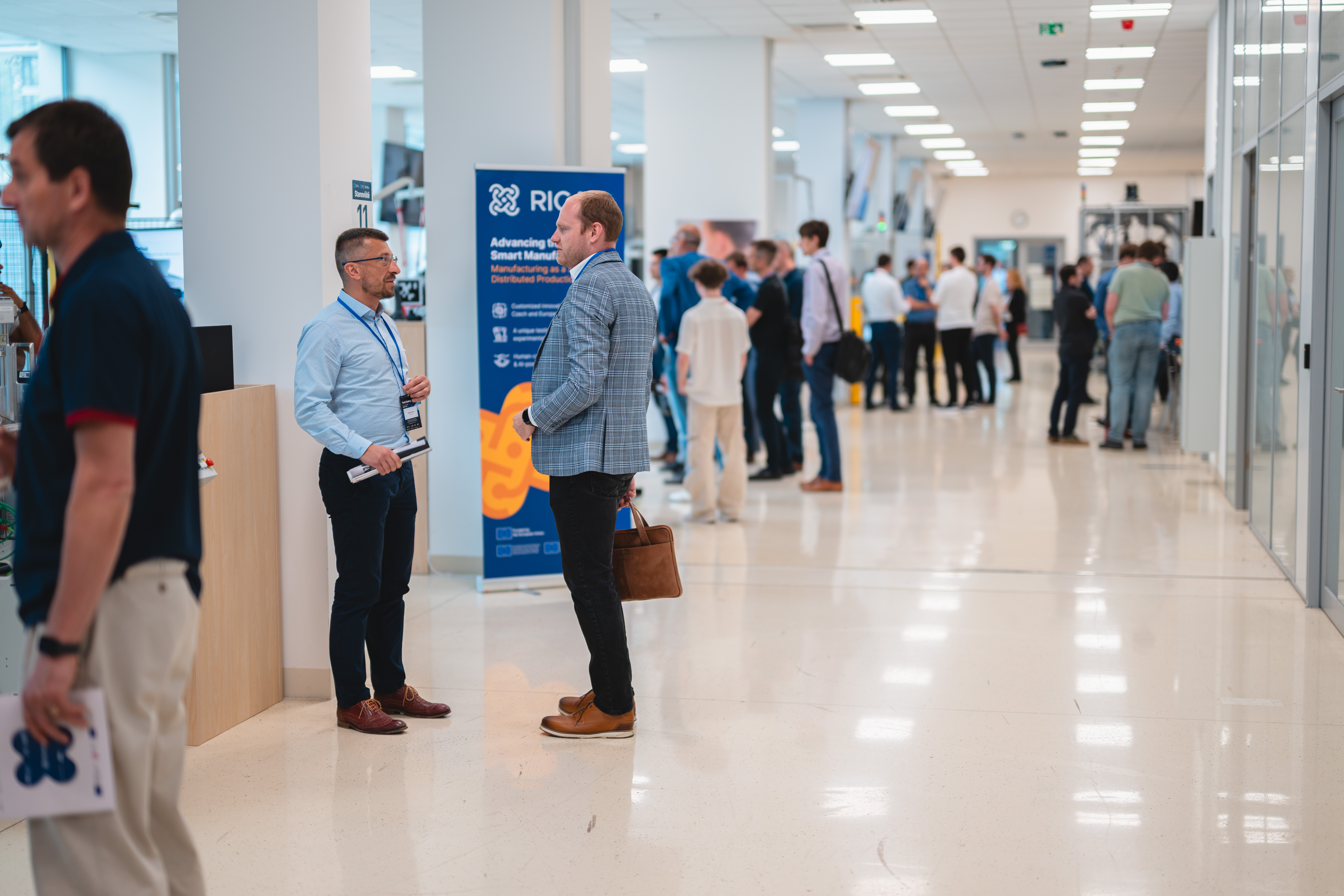
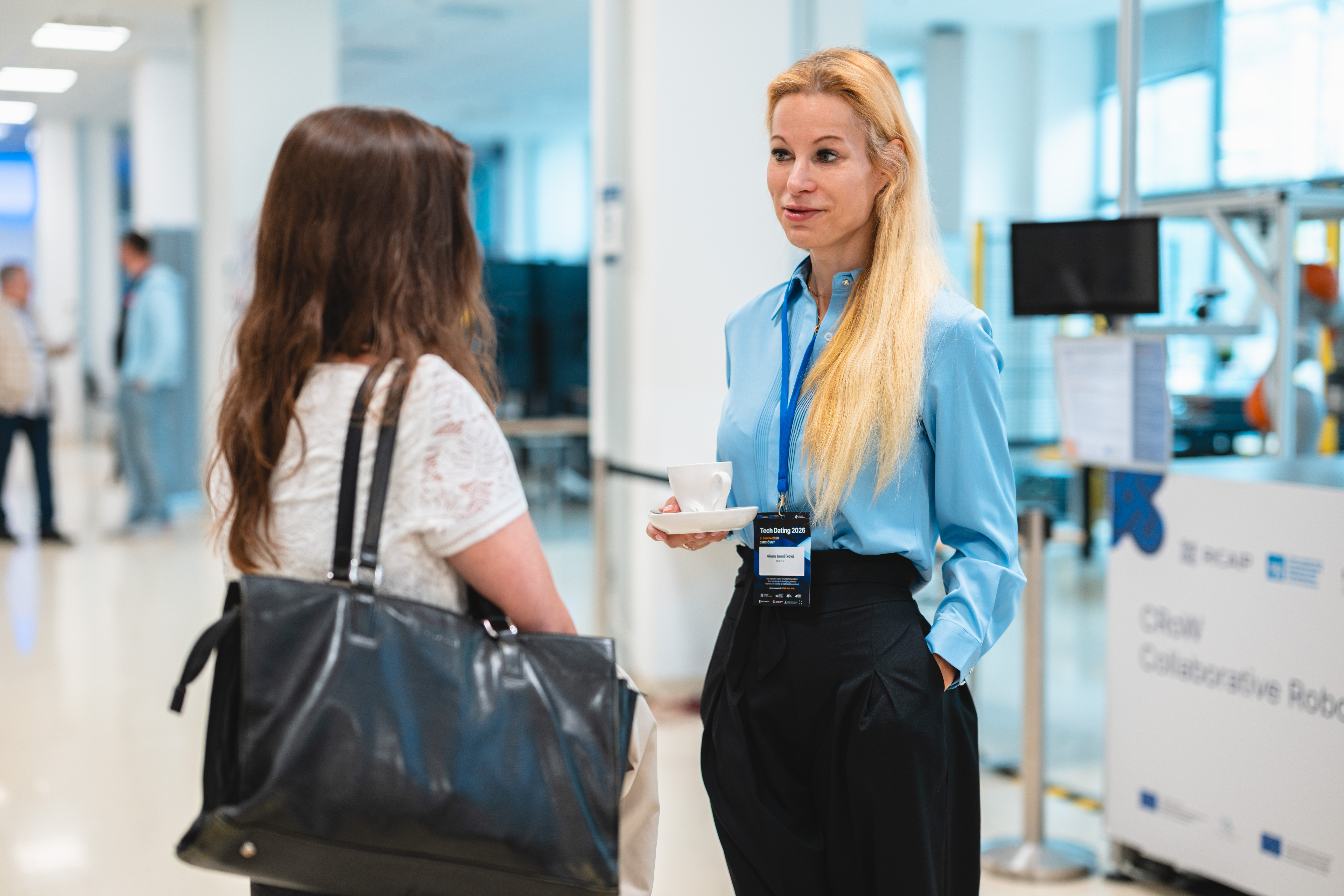
After a successful first edition, the Czech Institute of Informatics, Robotics and Cybernetics at the Czech Technical University in Prague once again organized Tech Dating, an event that connects industrial companies with research teams, as well as organizations and platforms supporting innovation. This year, the event was part of a larger program called RICAIP Days 2026, which also included the final conference of the key European RICAIP project alongside this unconventional open-day format. Tech Dating has long been developing a format that does not rely on traditional conference presentations, but instead on interaction with companies and discussions of their real needs.
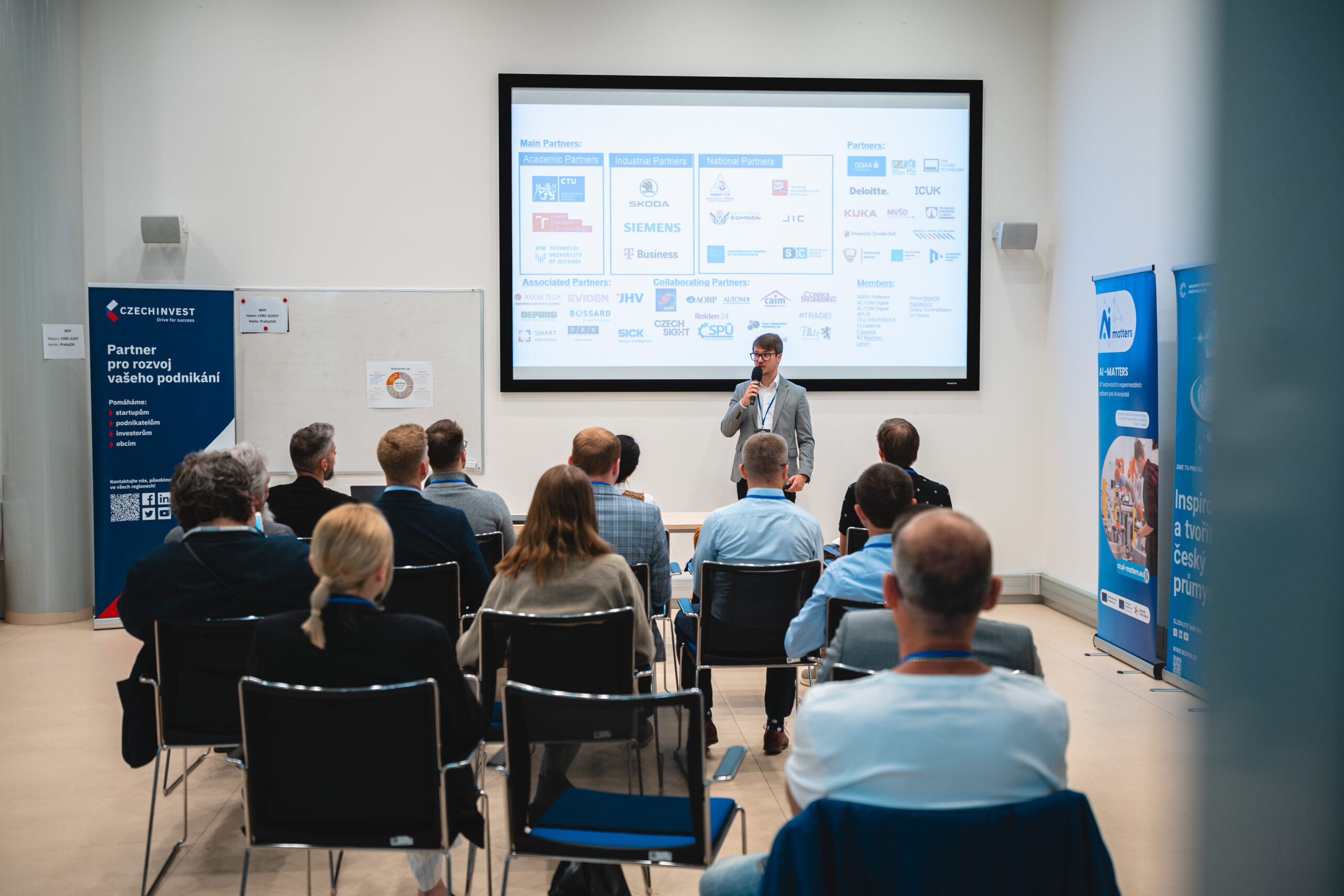
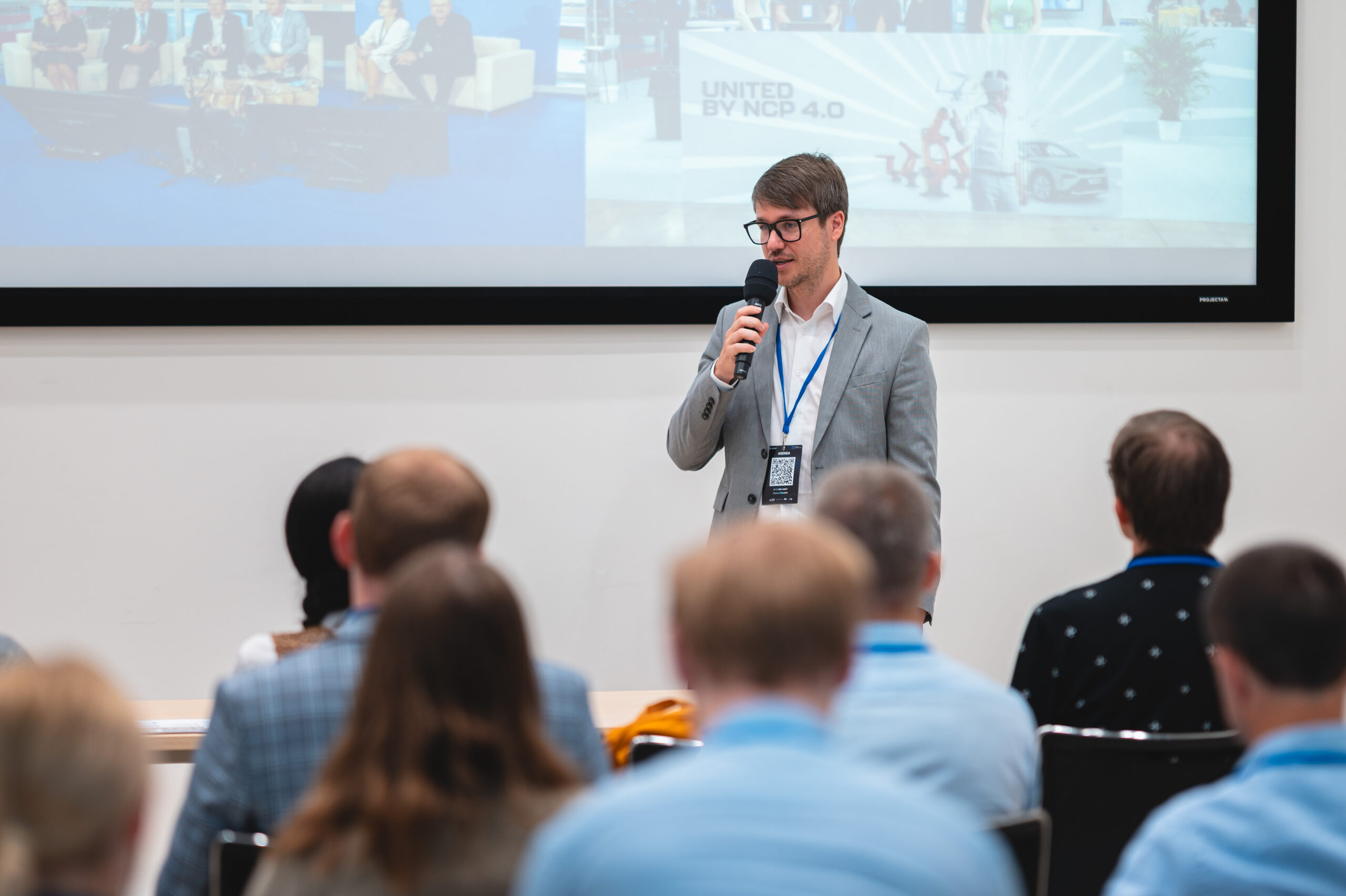
The opening part of the program presented an overview of the innovation ecosystem and the possibilities for supporting digitalization and the implementation of innovations in practice. Speakers included representatives of key institutions closely connected with CIIRC CTU activities, jointly contributing to the development of the innovation and technology transfer ecosystem in both Czech and European contexts. These included AI-MATTERS, EDIH CTU, National Centre for Industry 4.0, CzechInvest, the Technology Agency of the Czech Republic, and others. A common theme across all contributions was the effort to show that successful digitalization does not emerge in isolation, but as a coordinated process linking companies, research, and supporting institutions, from initial problem identification through to implementation in practice.
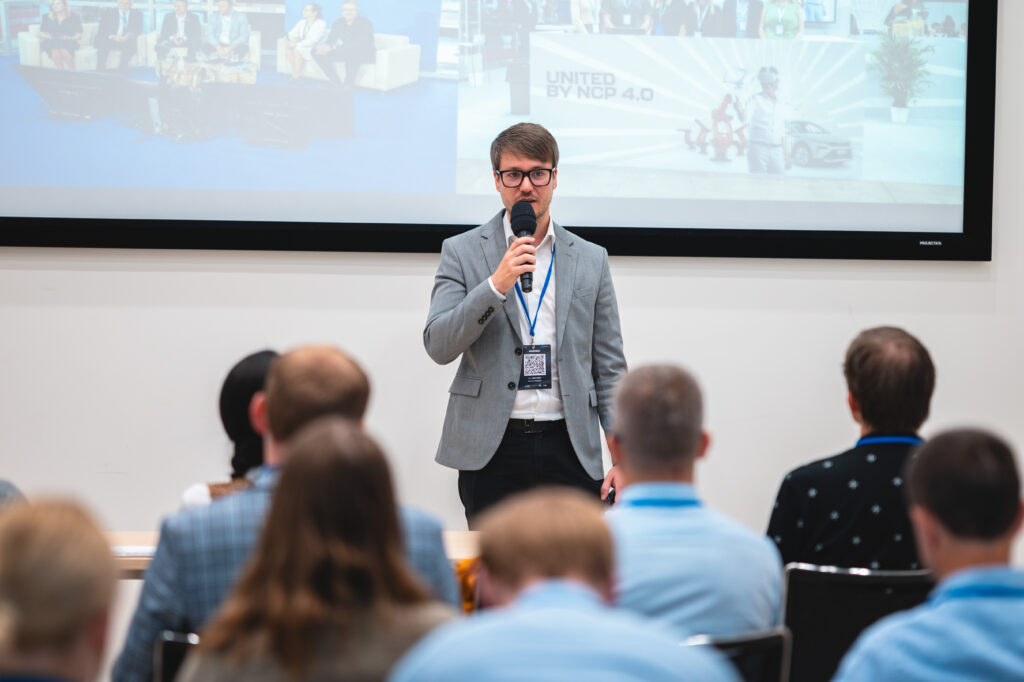
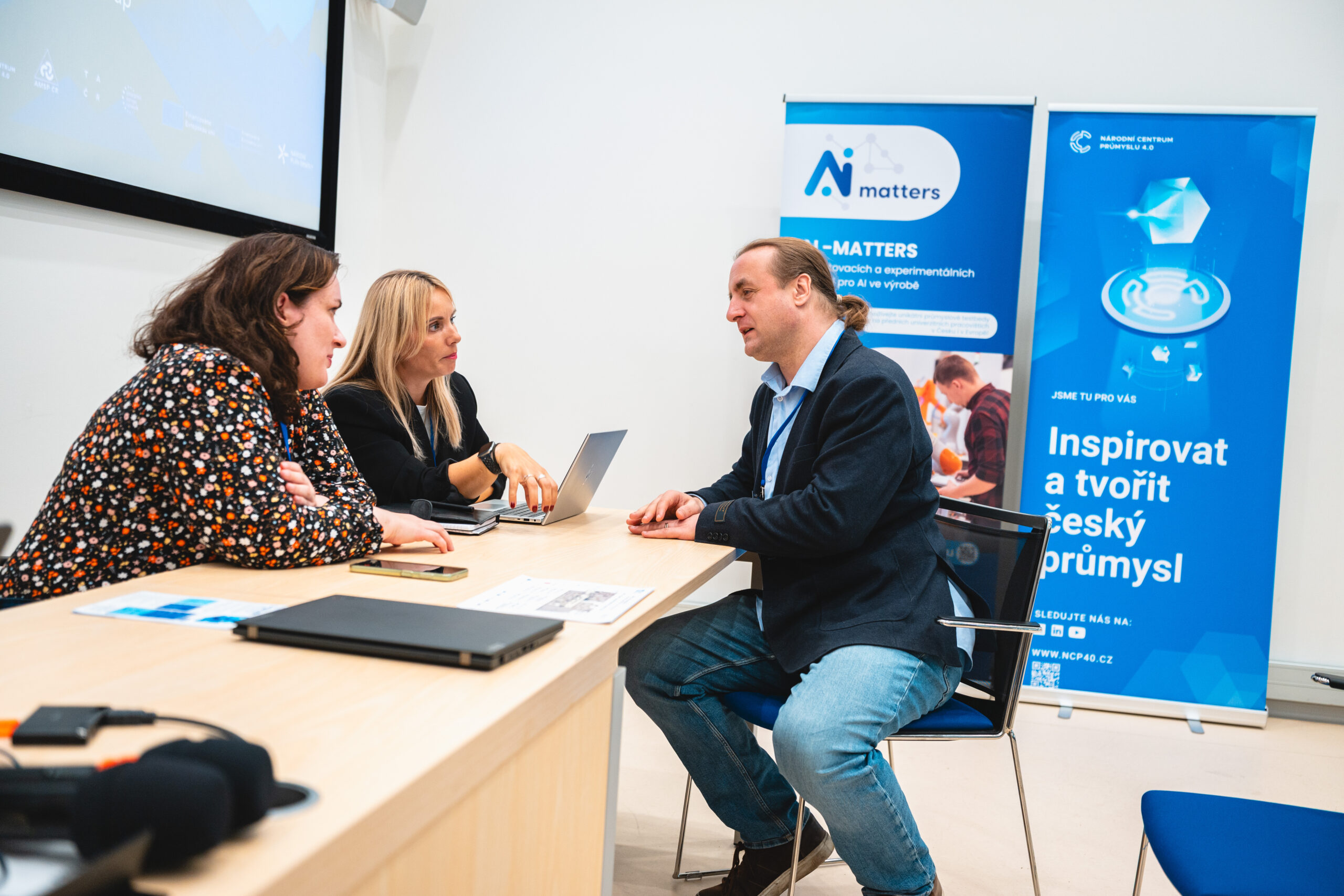
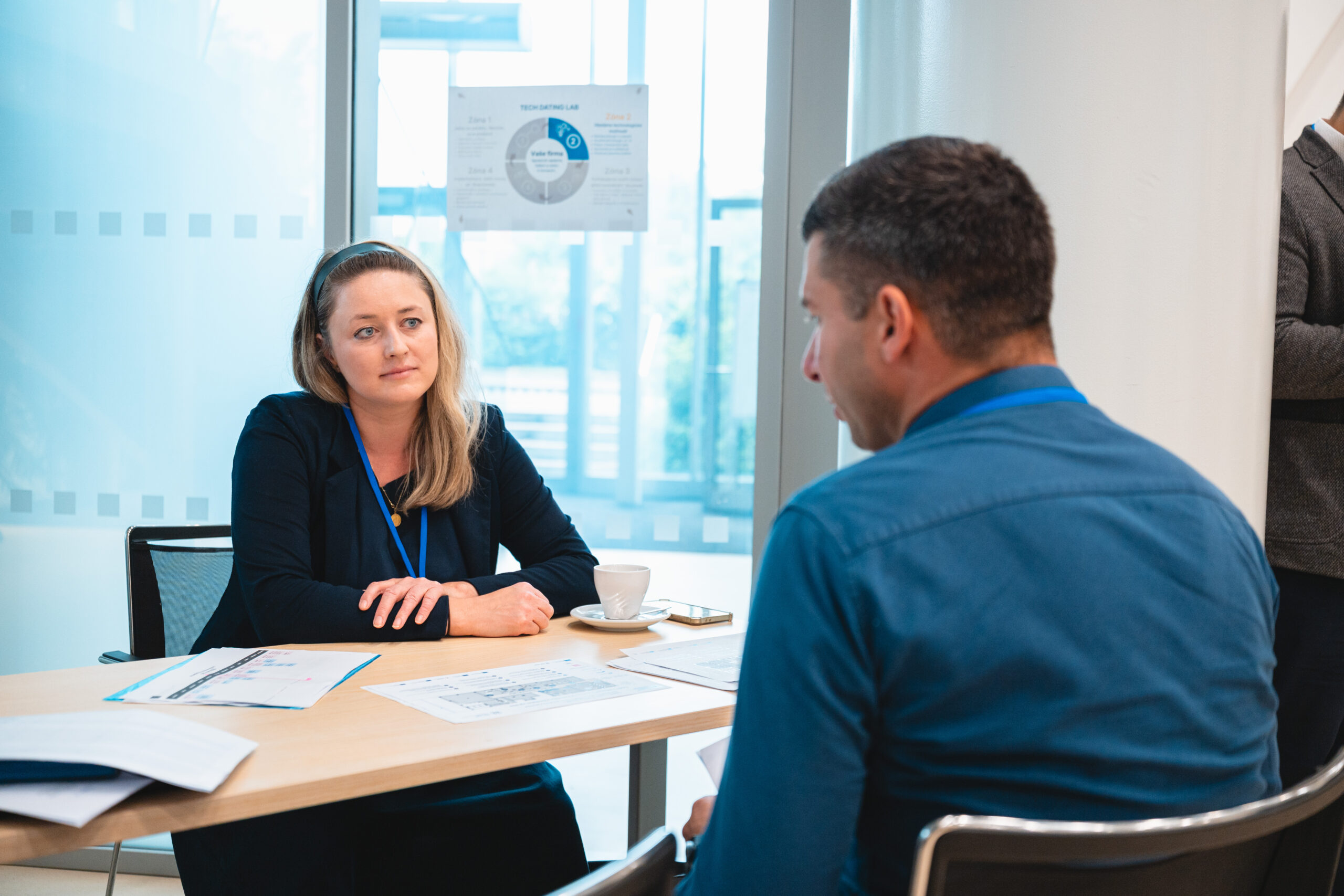
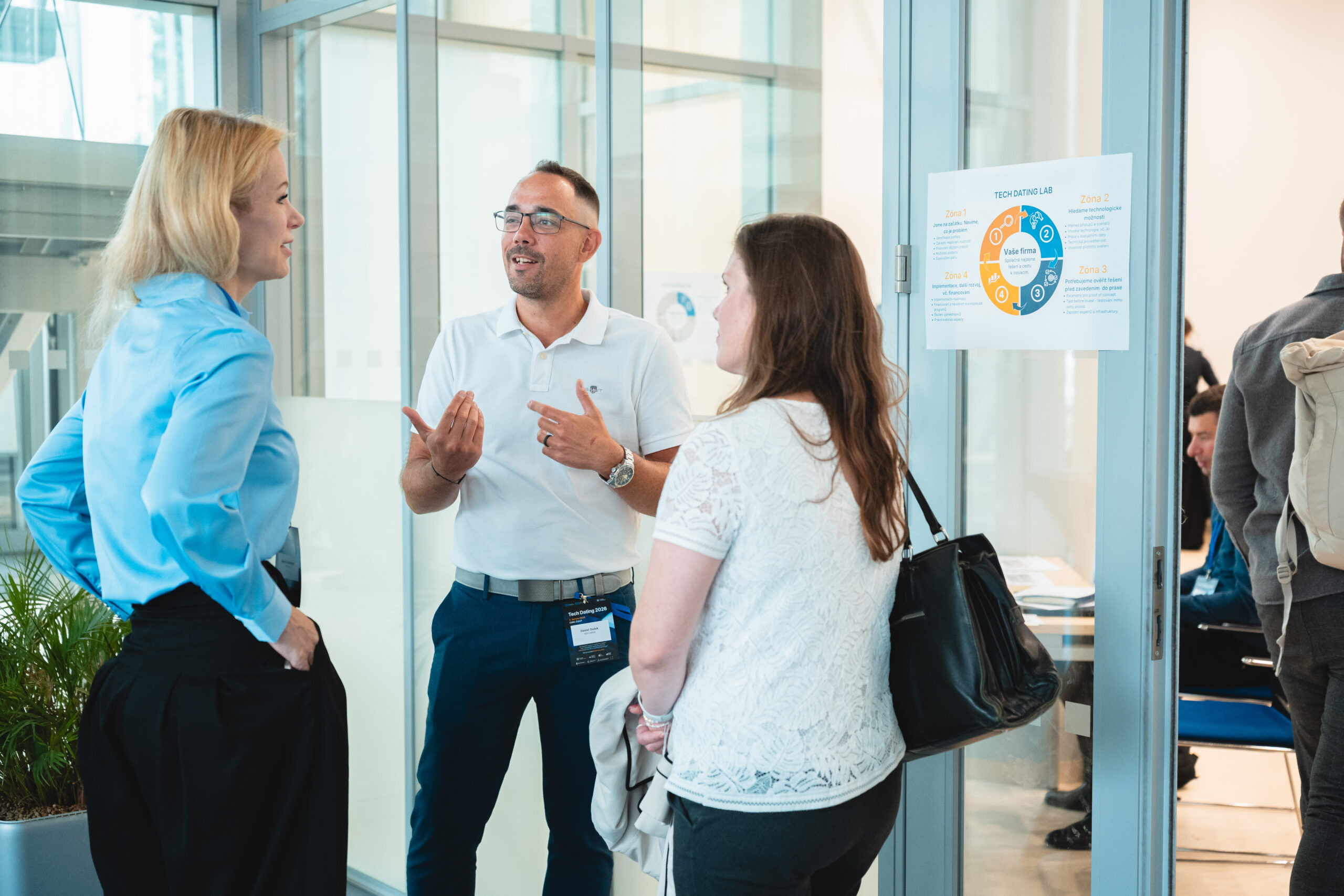
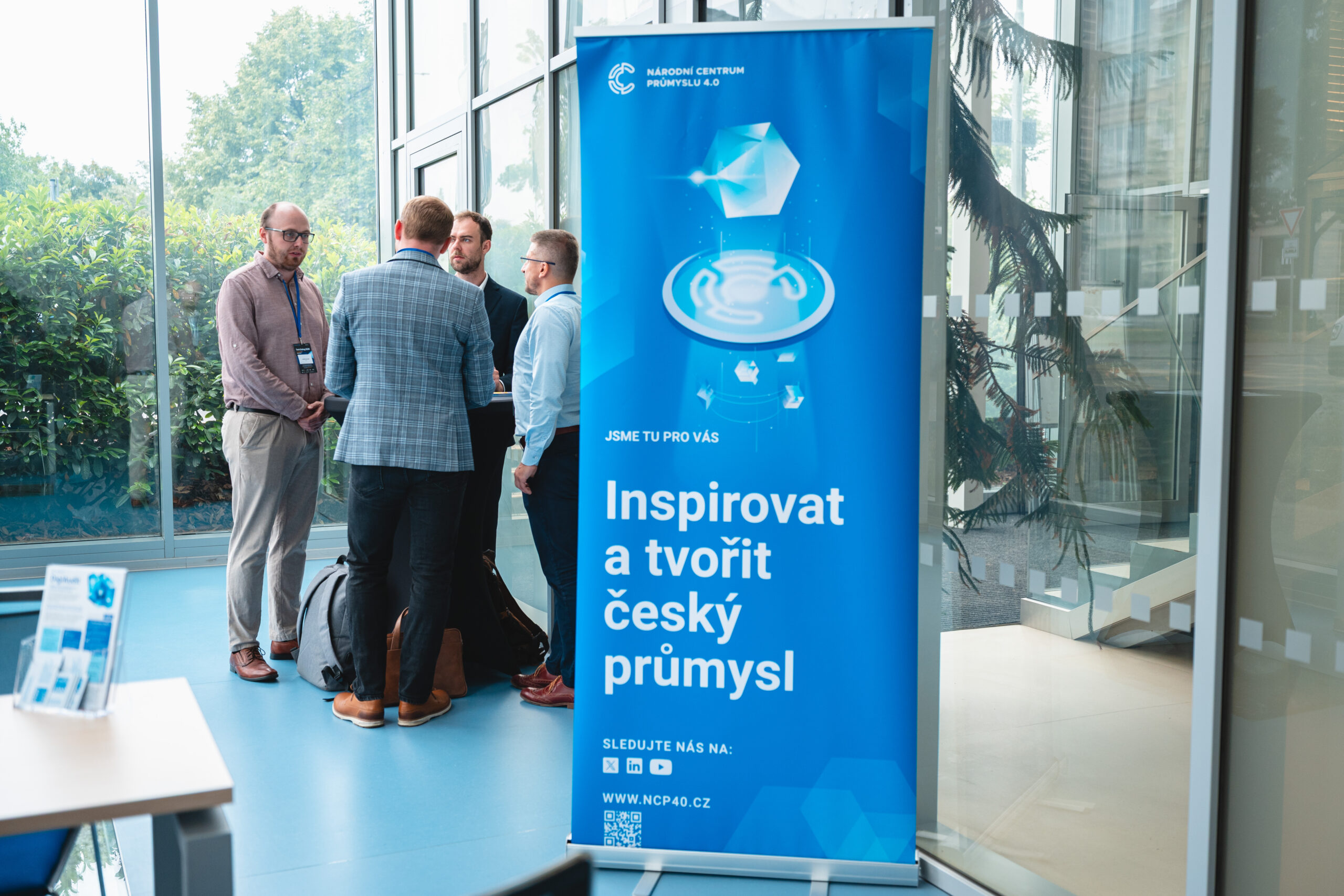
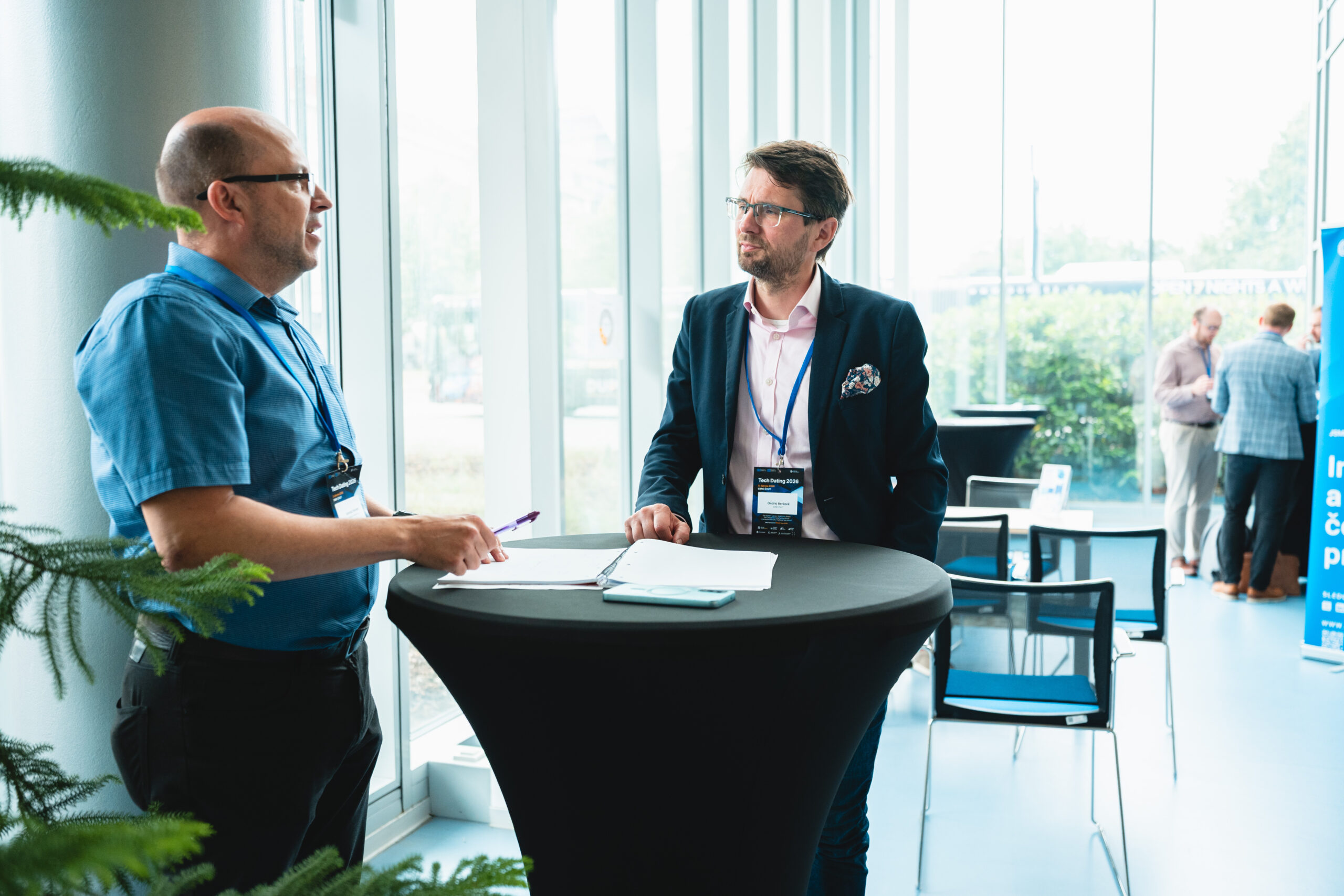
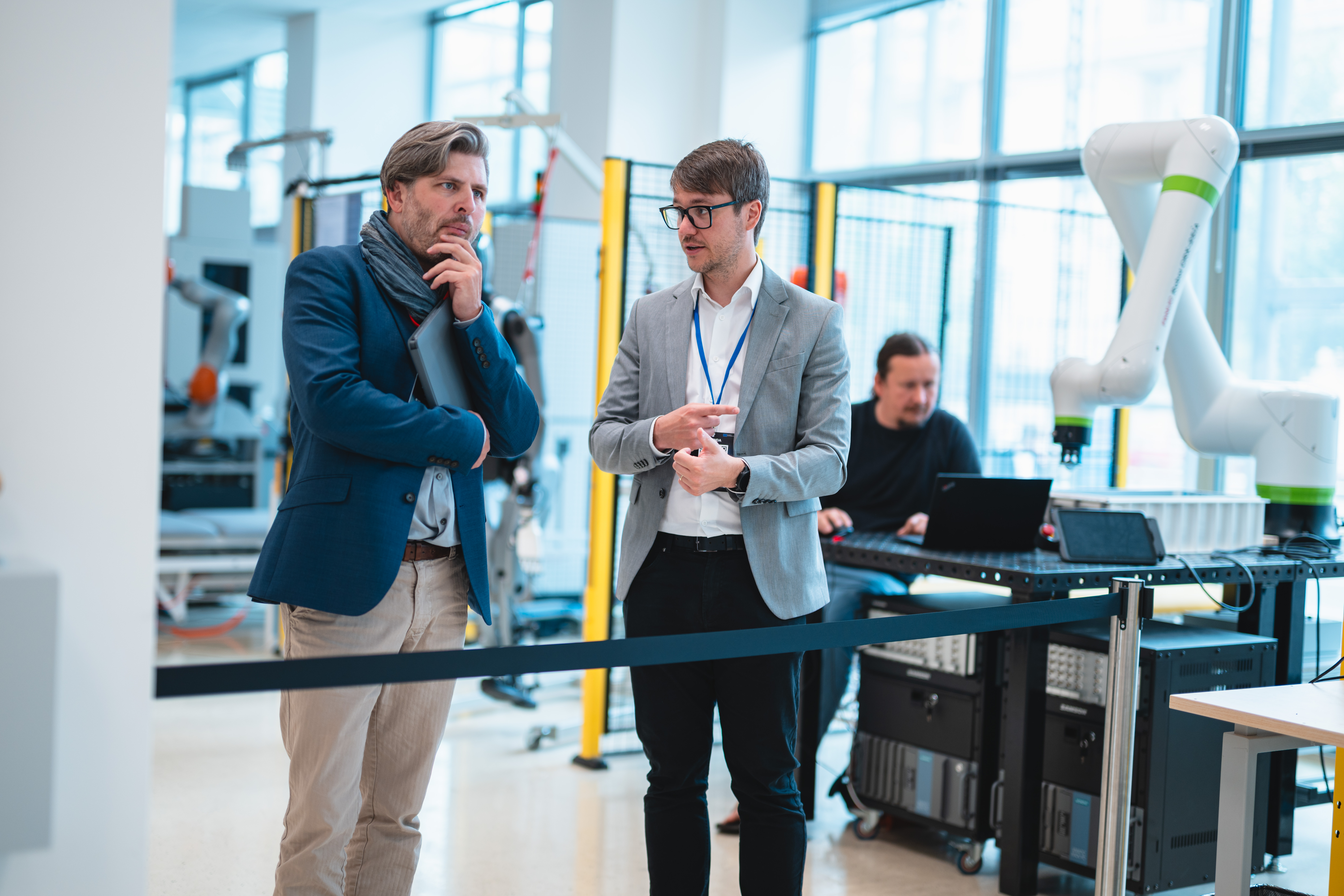
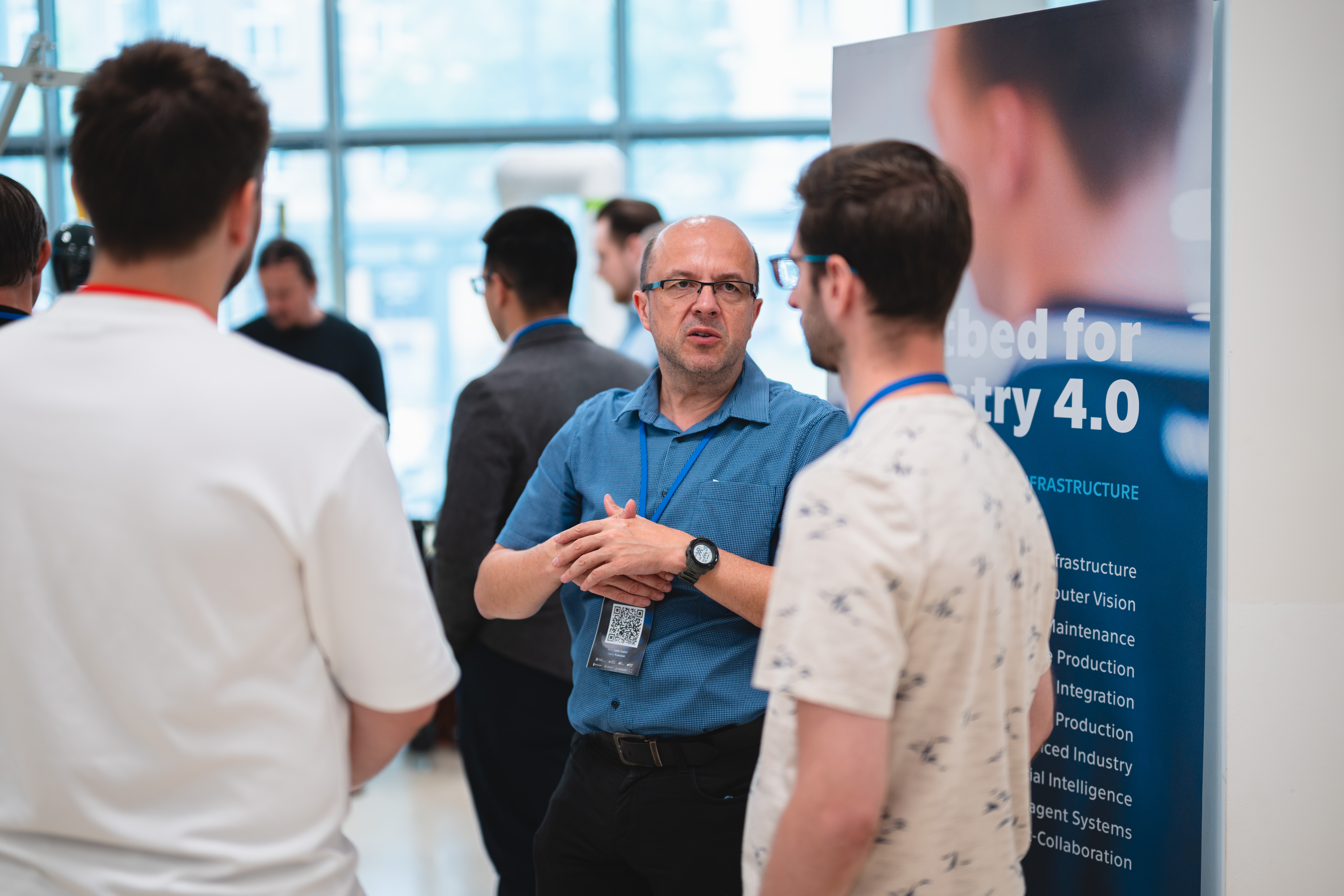
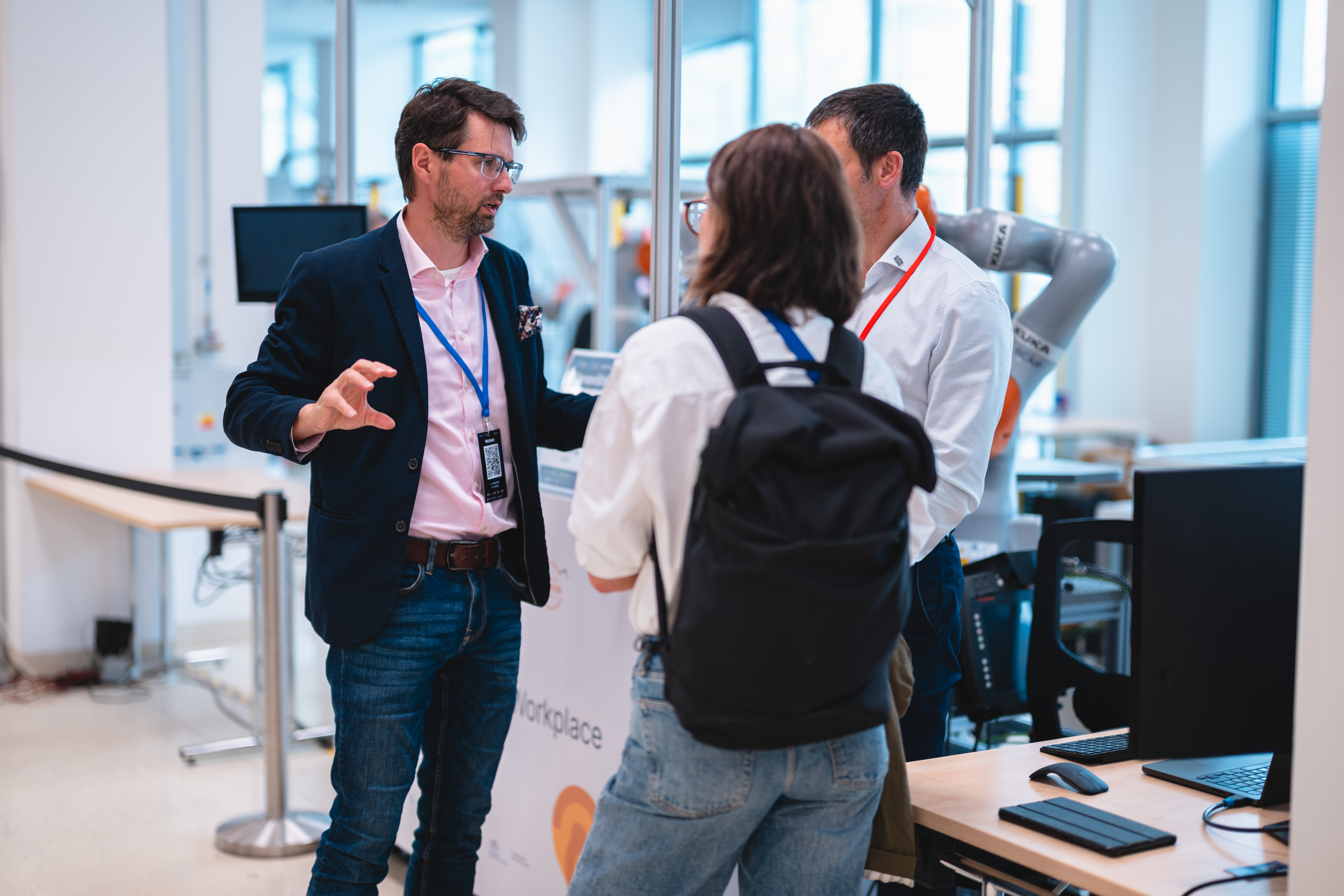
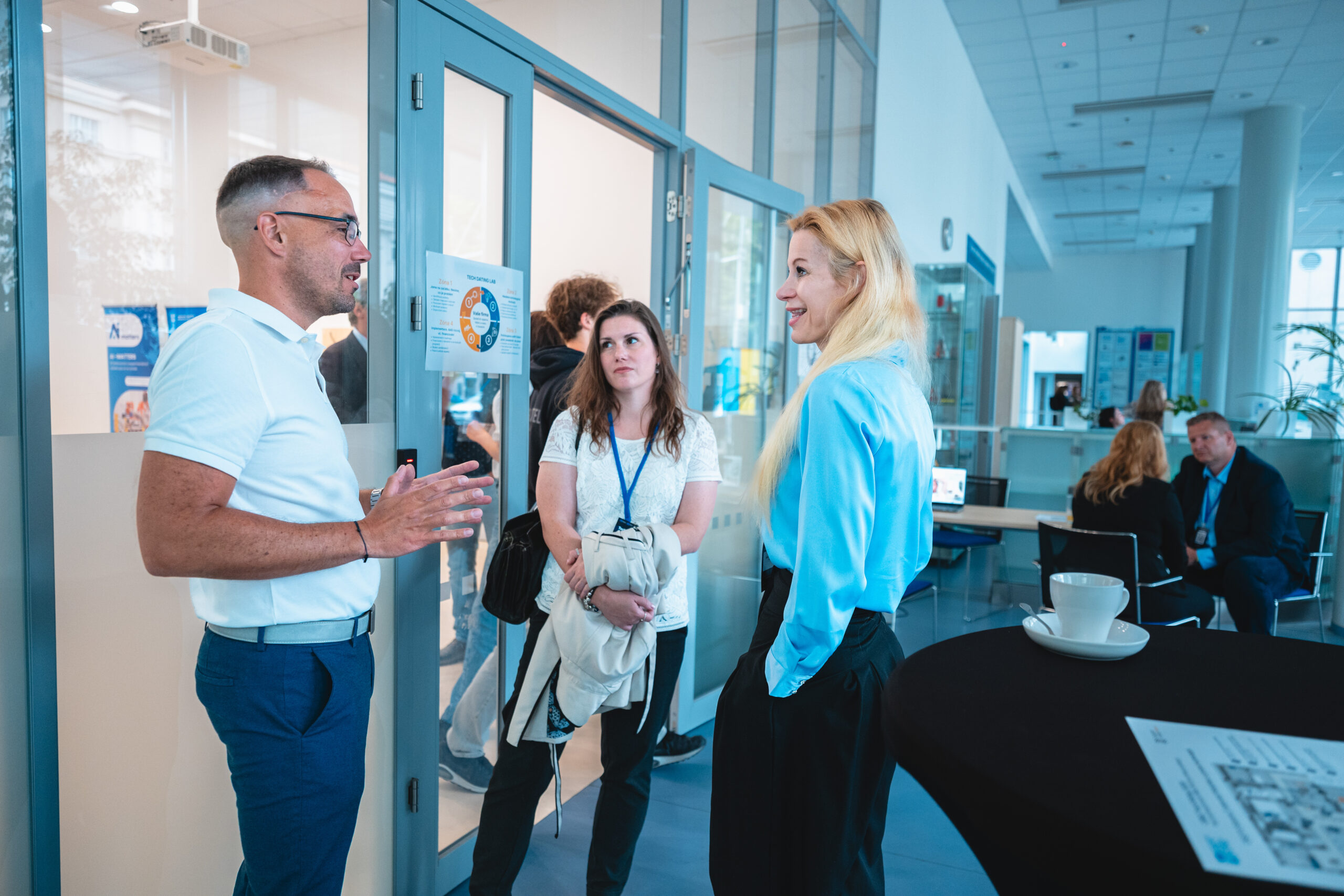
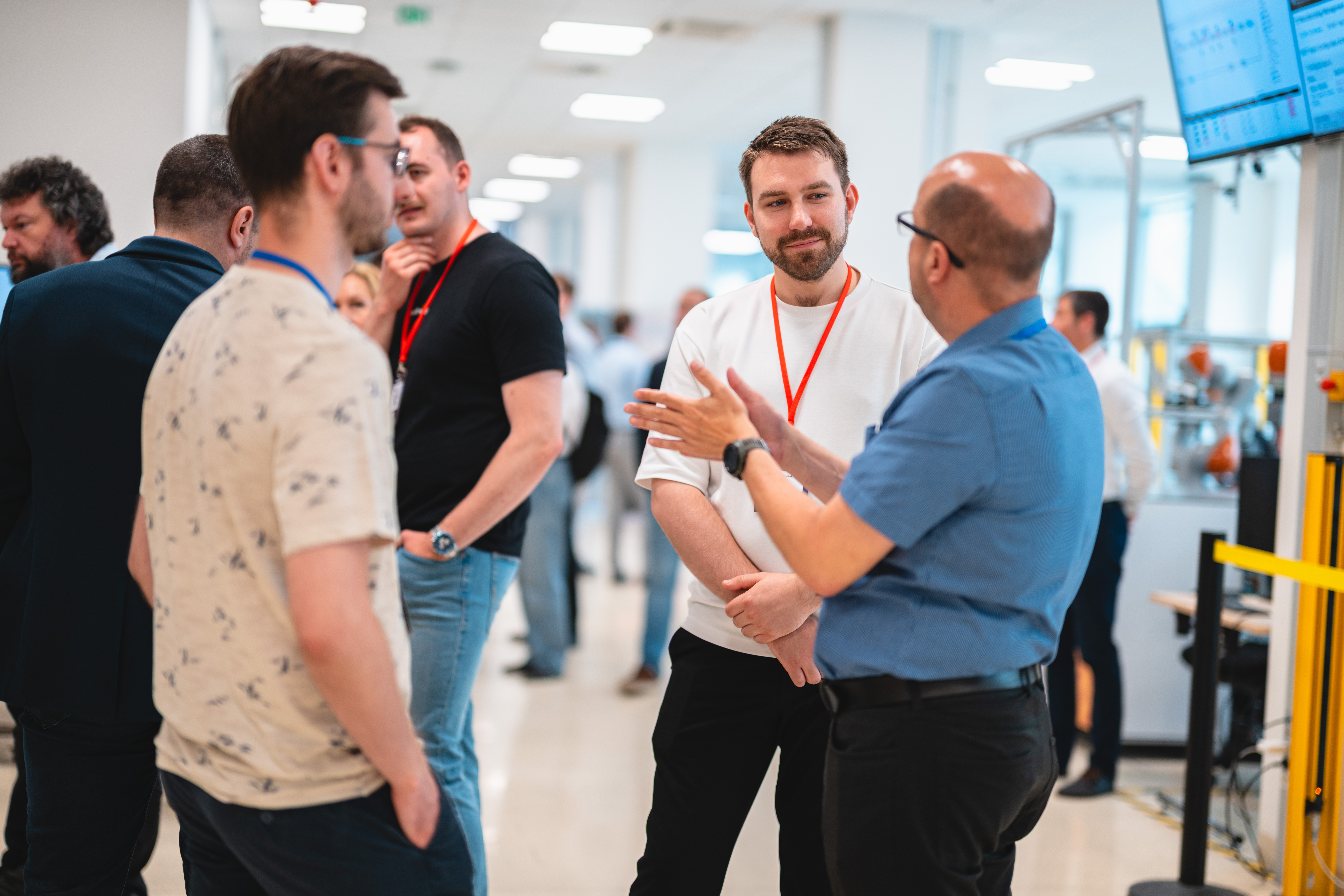
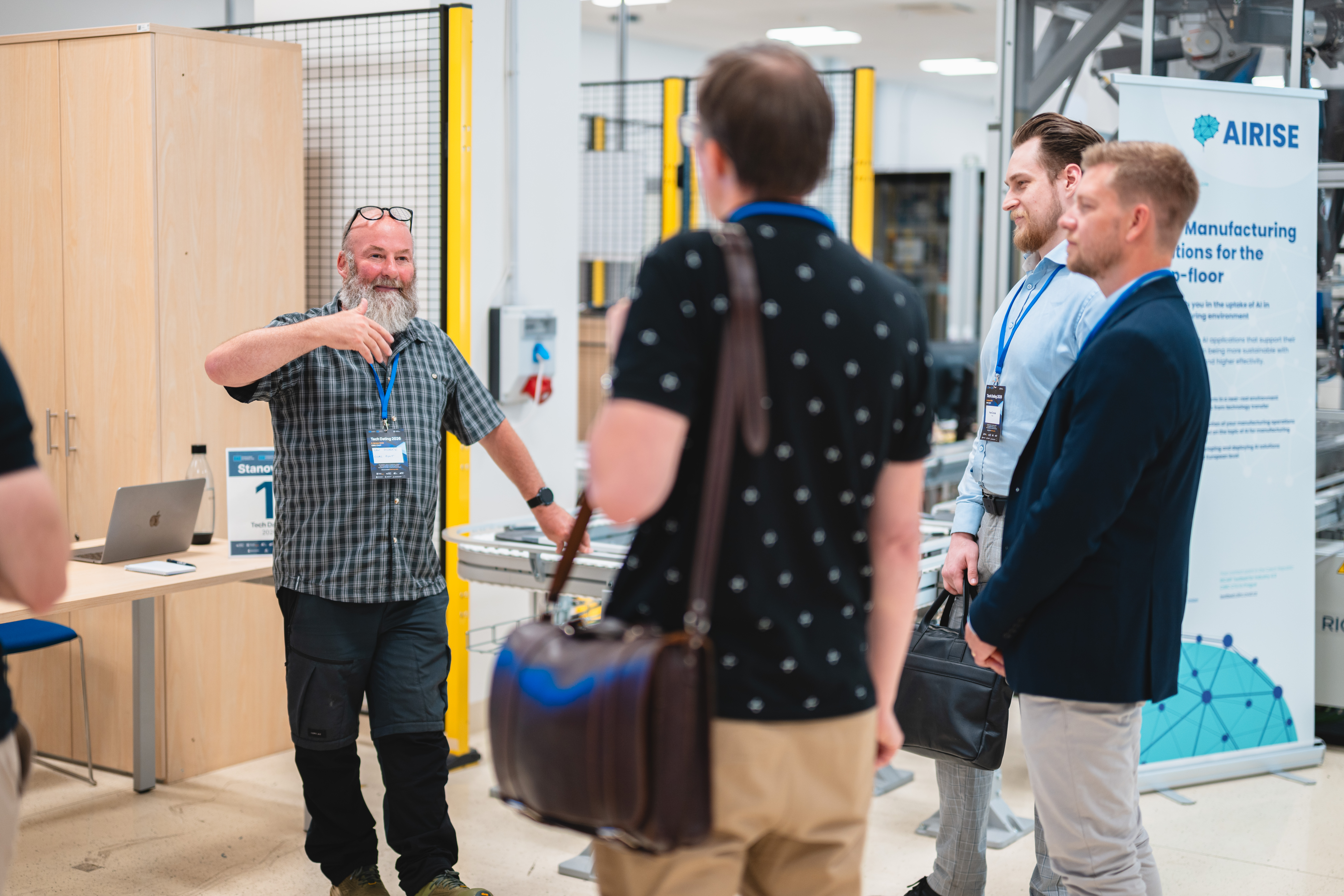
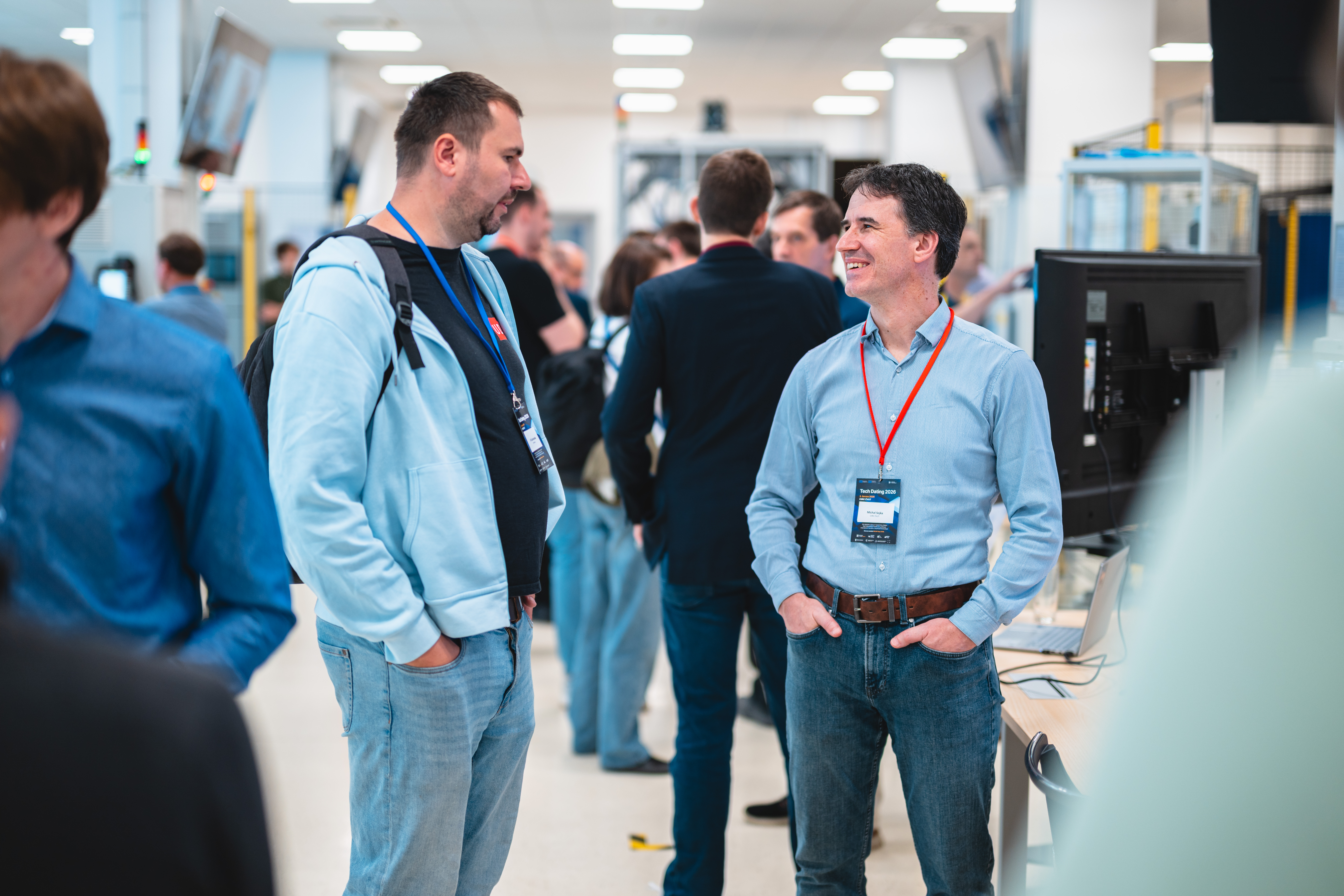
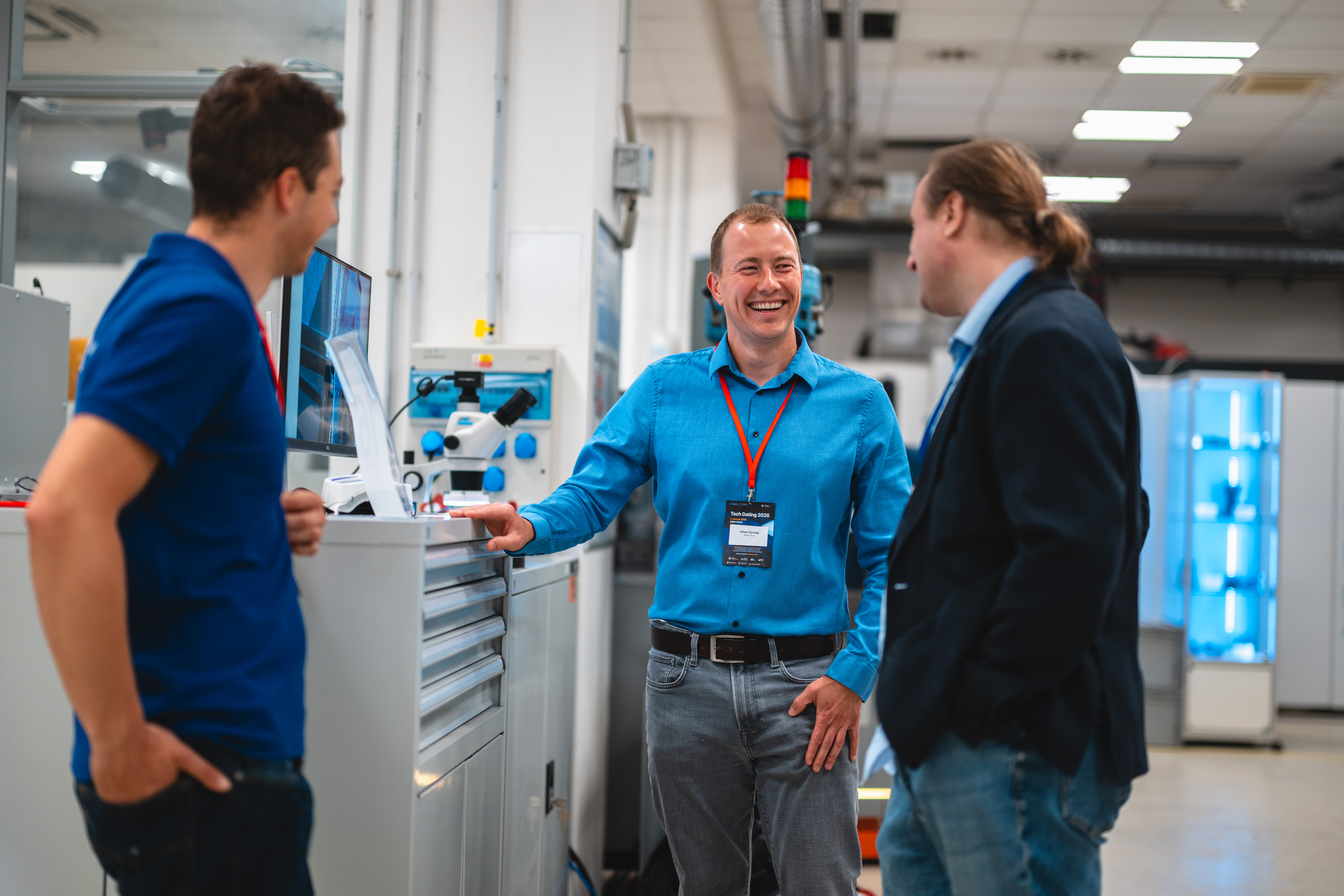
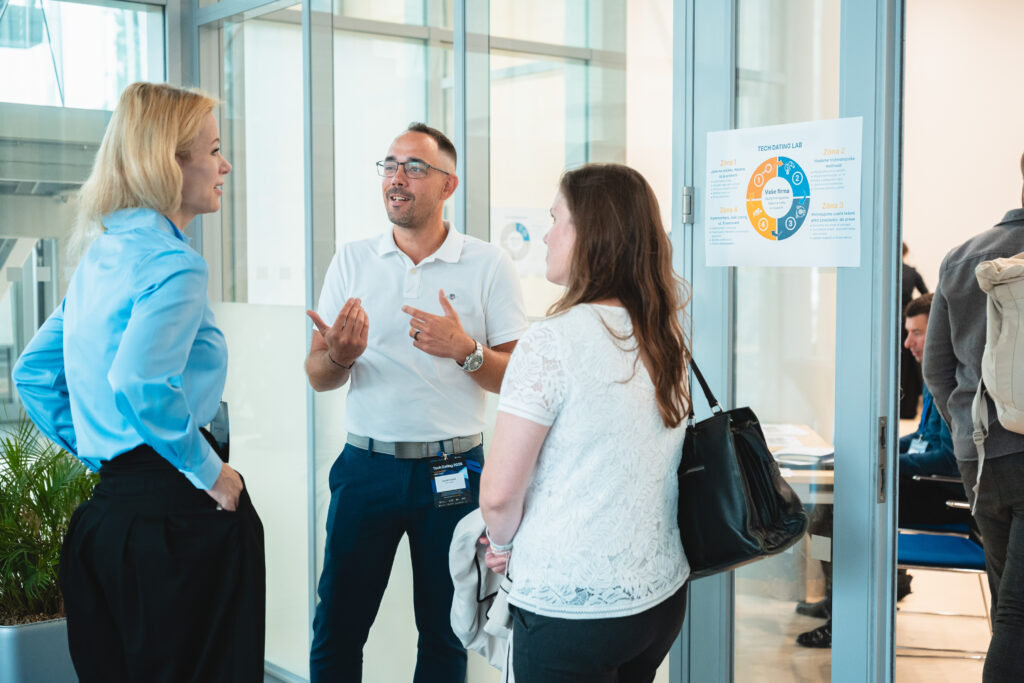
After the opening presentations, an interactive part of the program followed, called the “Tech Dating Lab.” Visitors could move freely between four thematic consultation zones depending on the stage of innovation their company was in. In short structured meetings, they discussed their specific challenges with specialists, from situations where a company is still searching for or defining its problem, through the design of technological solutions, to pilot testing, funding acquisition, or preparation for implementation. This format made it possible to quickly translate business needs into concrete technological directions and to establish dialogue with experts who have long been working in these areas. The emphasis was placed primarily on practical applicability and next steps, rather than general descriptions of available technologies.
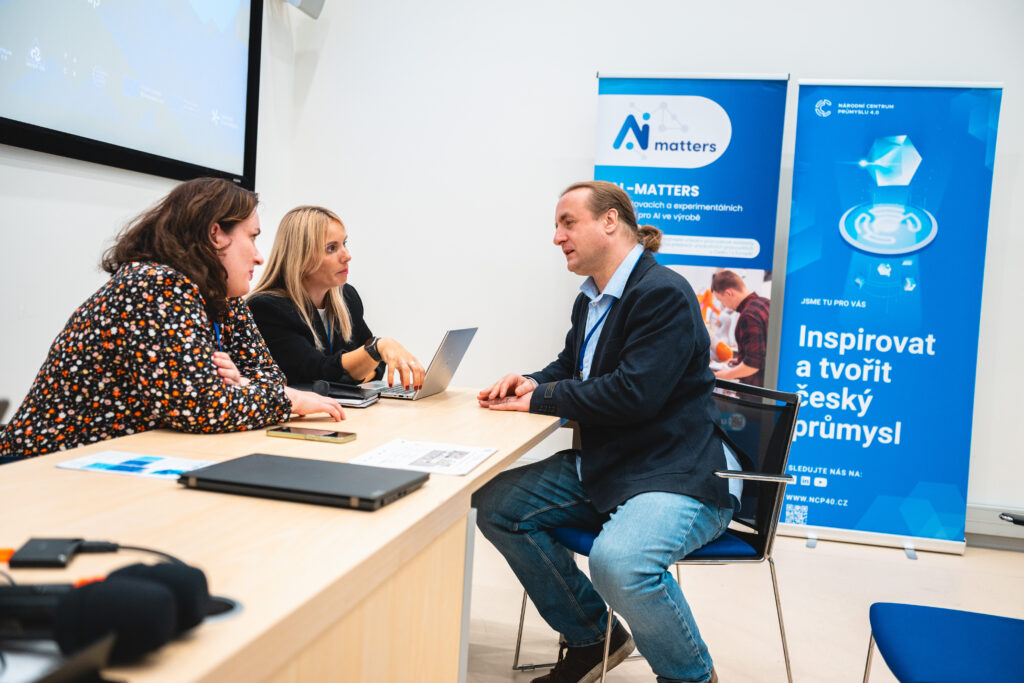
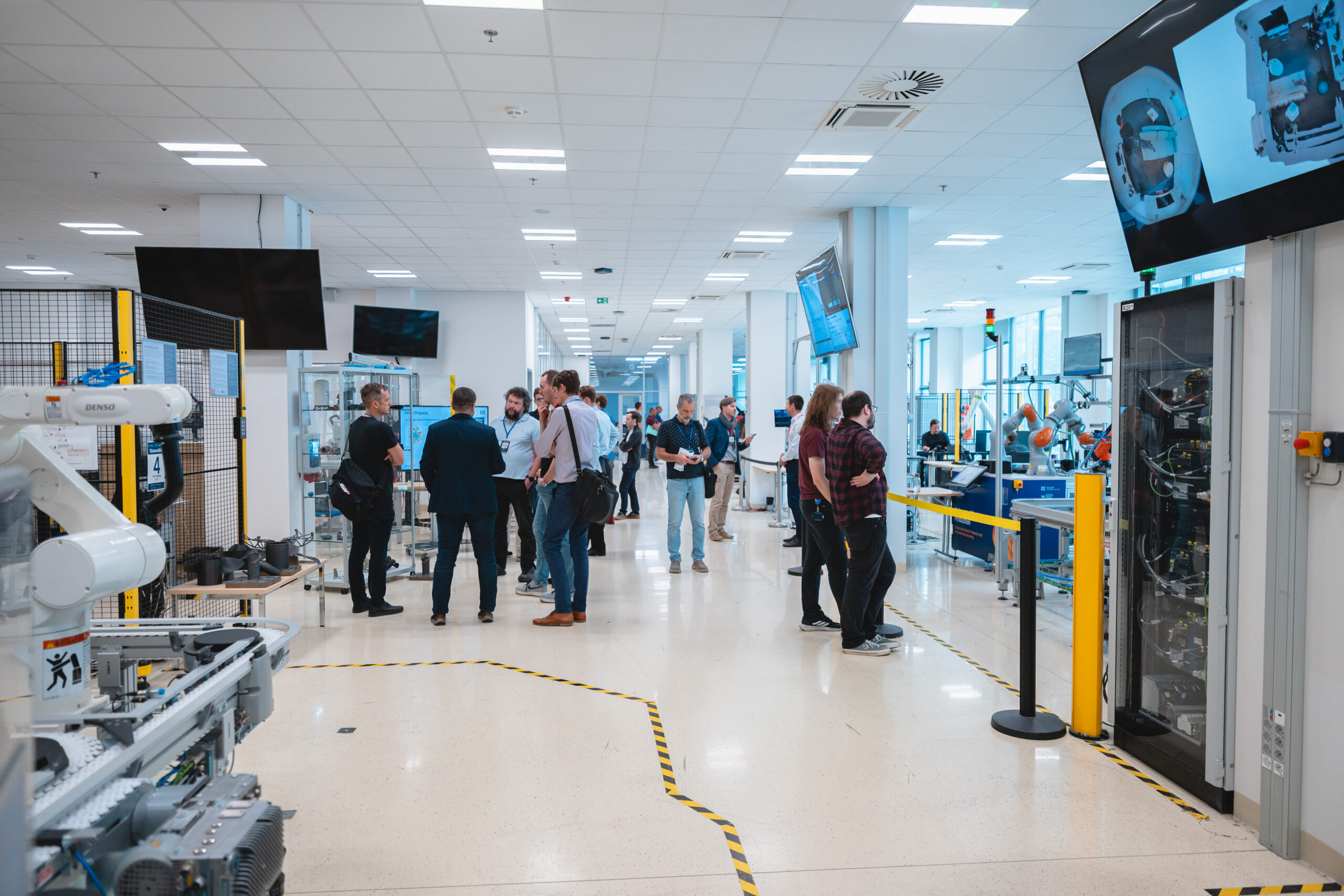
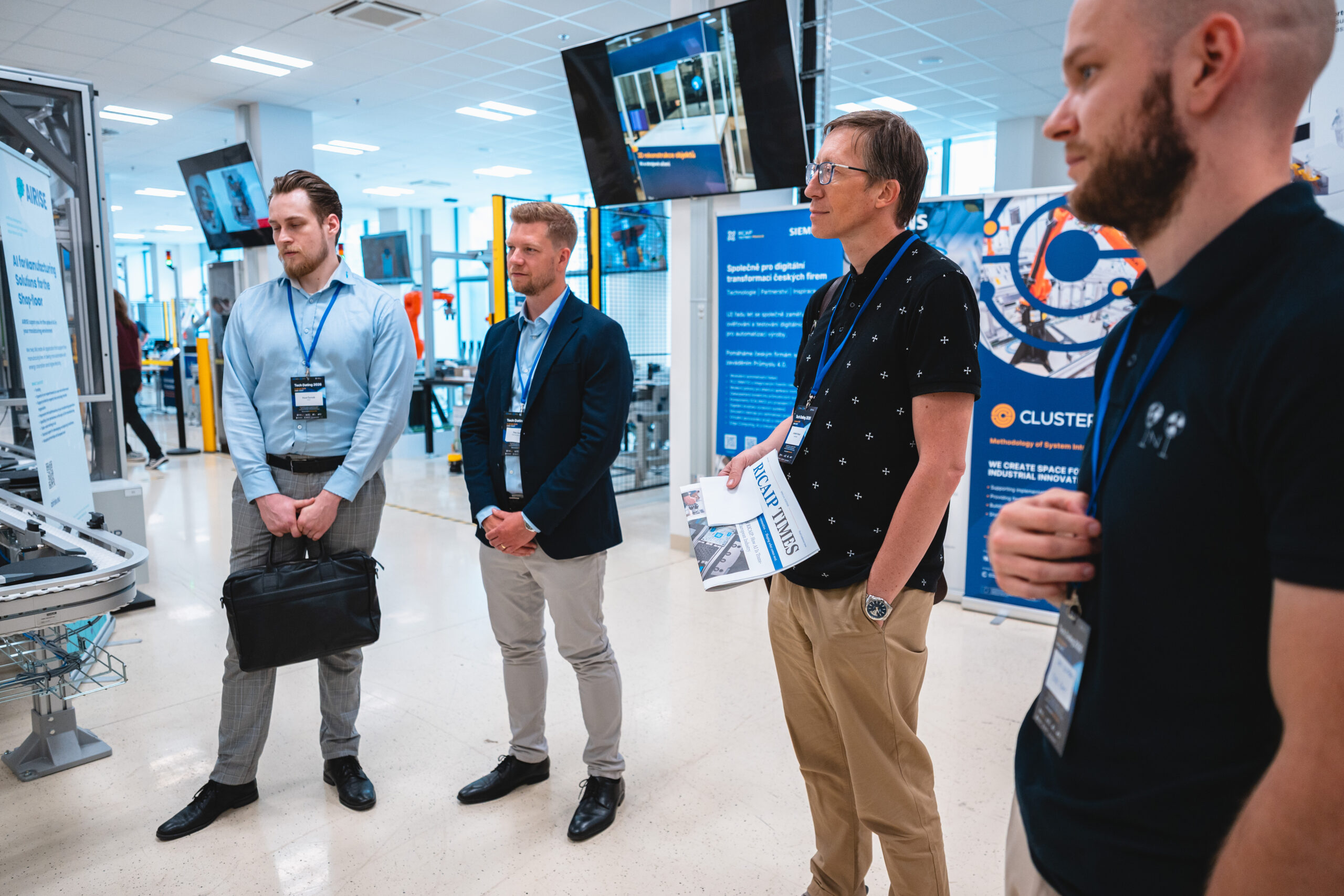
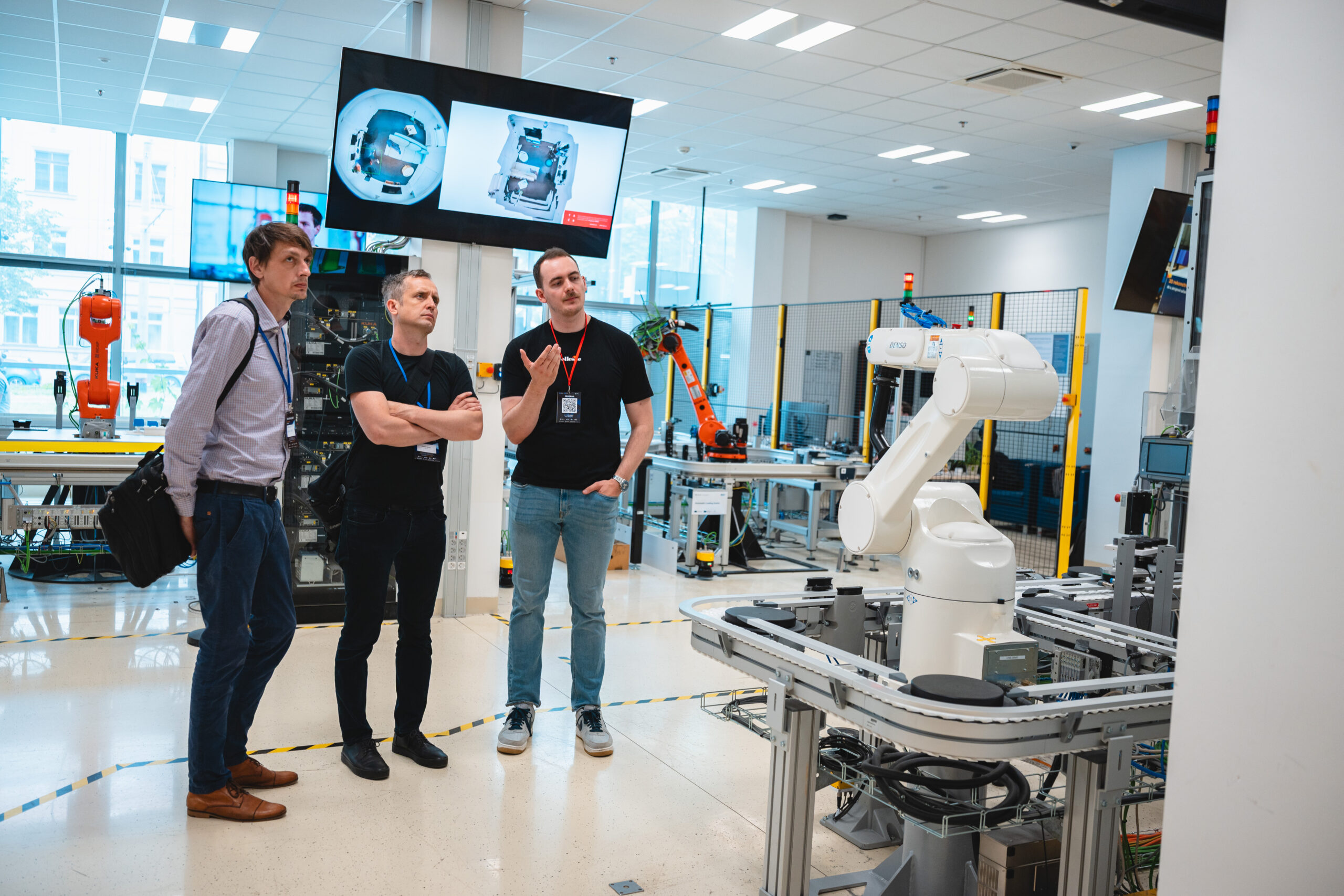
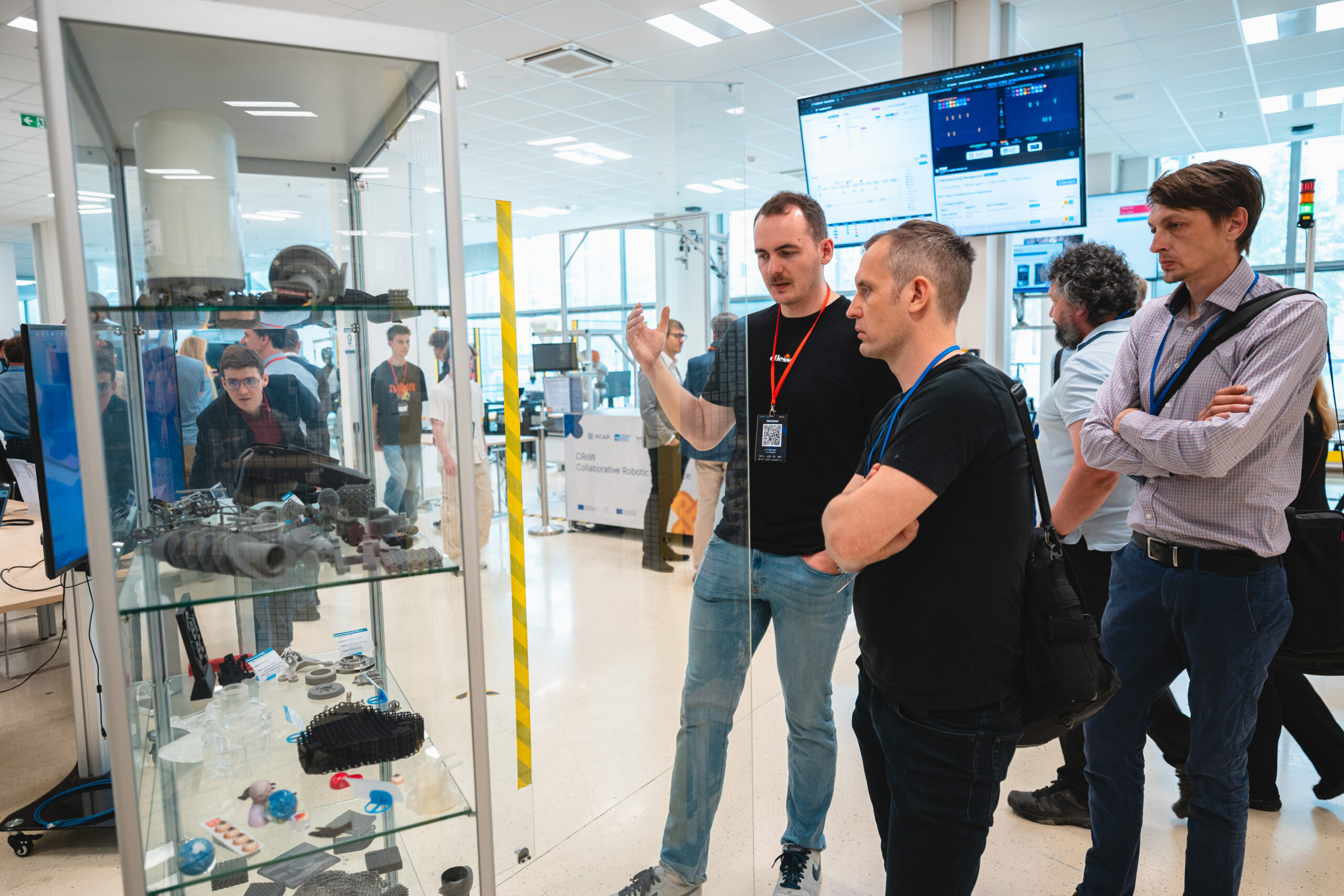
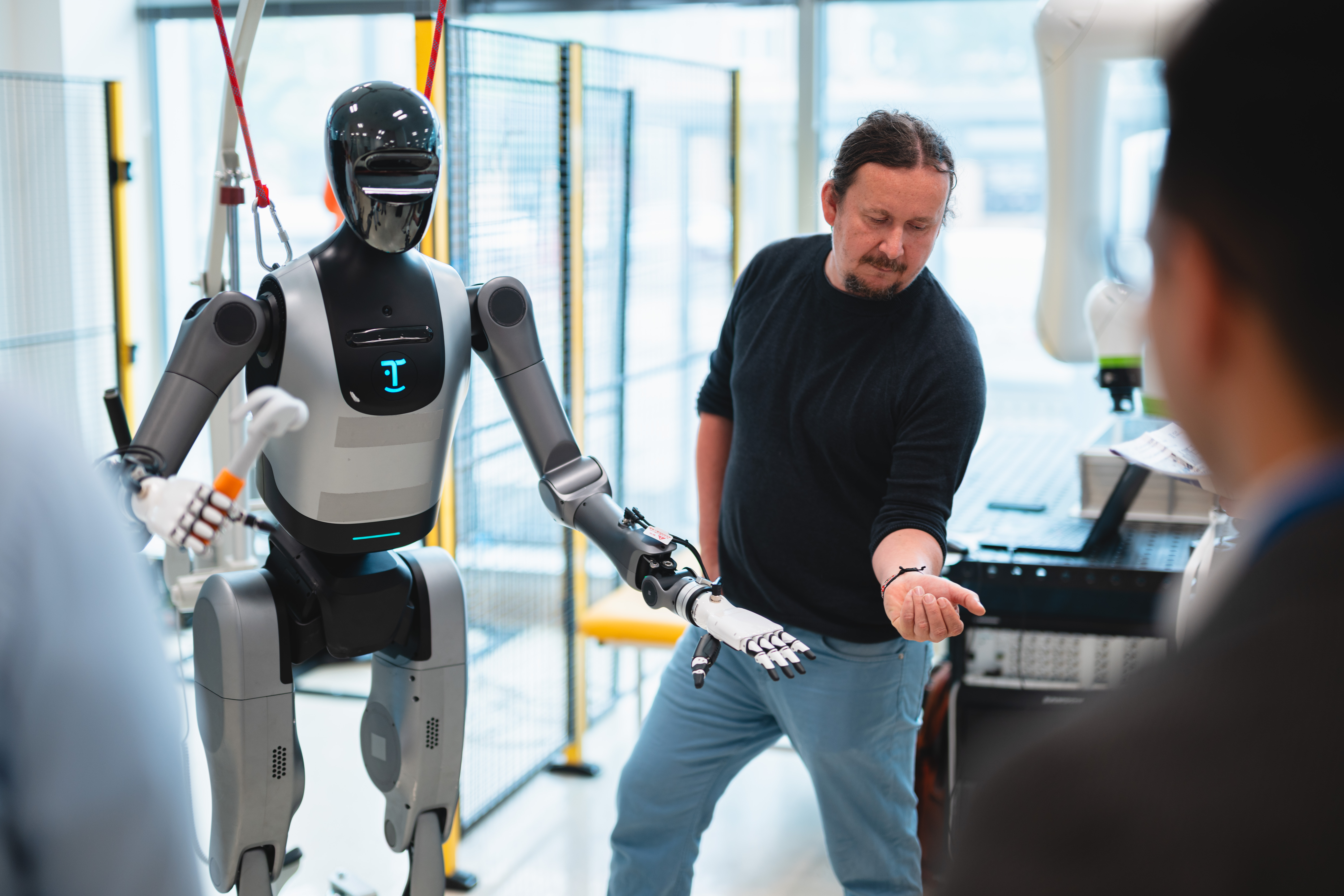
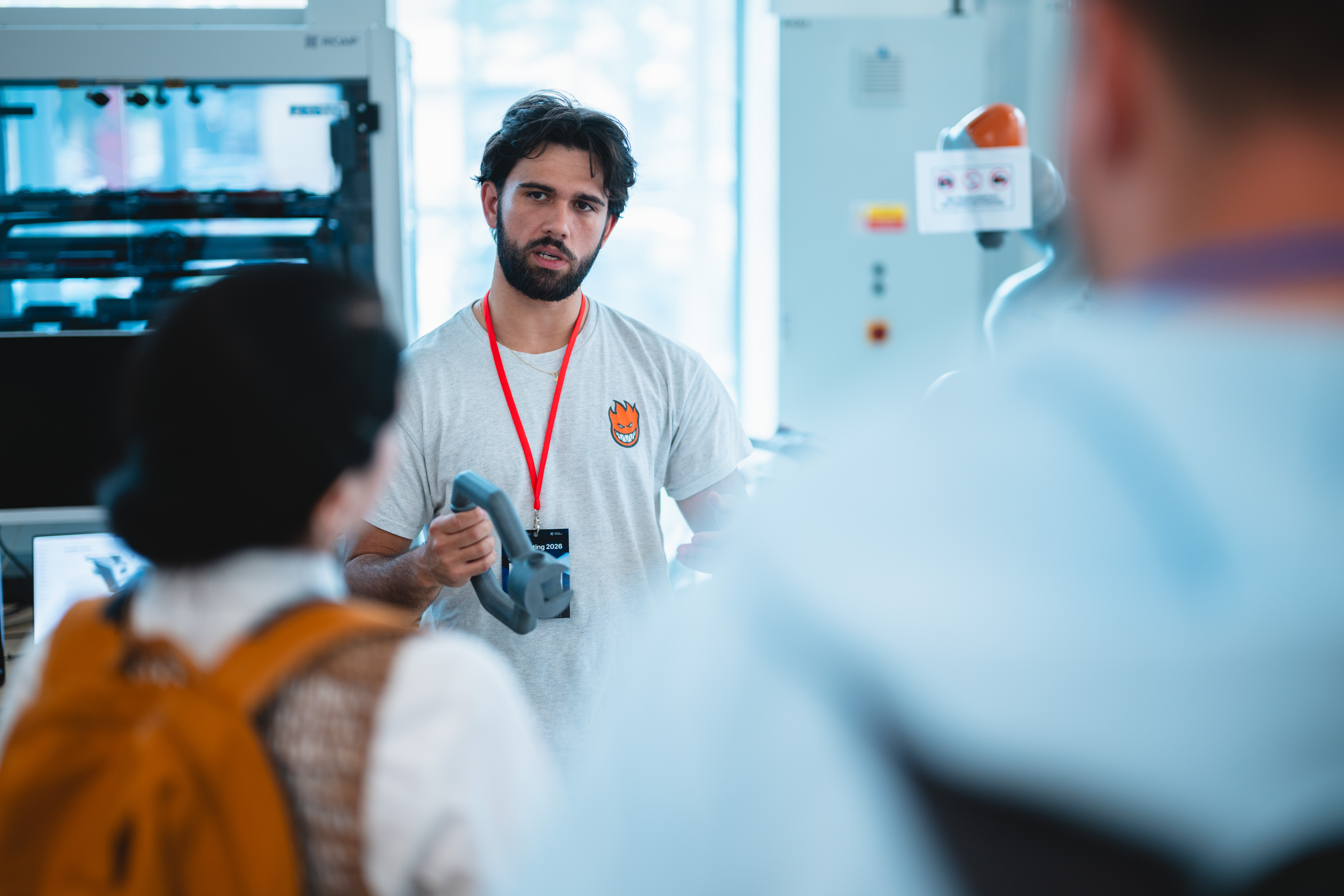
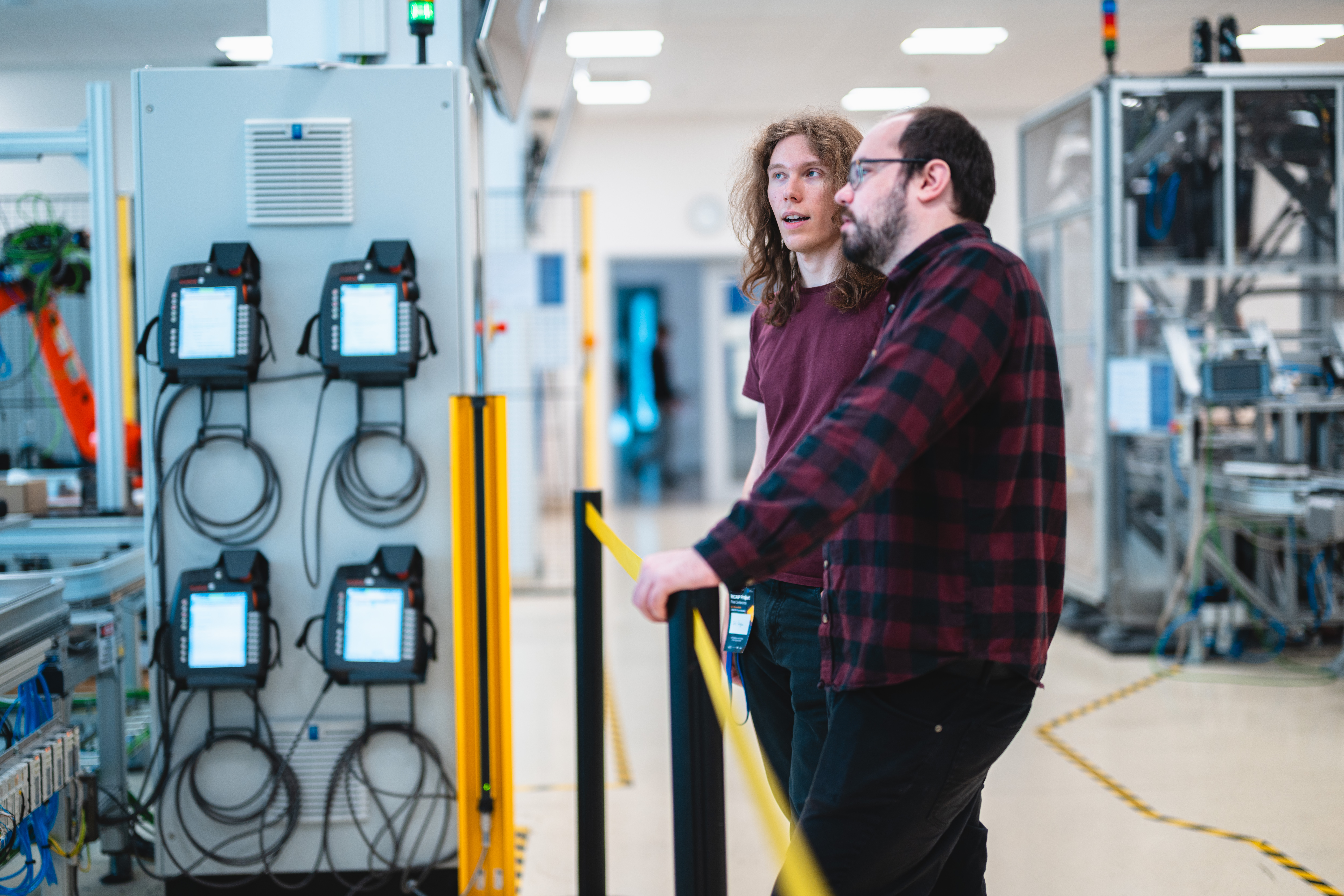
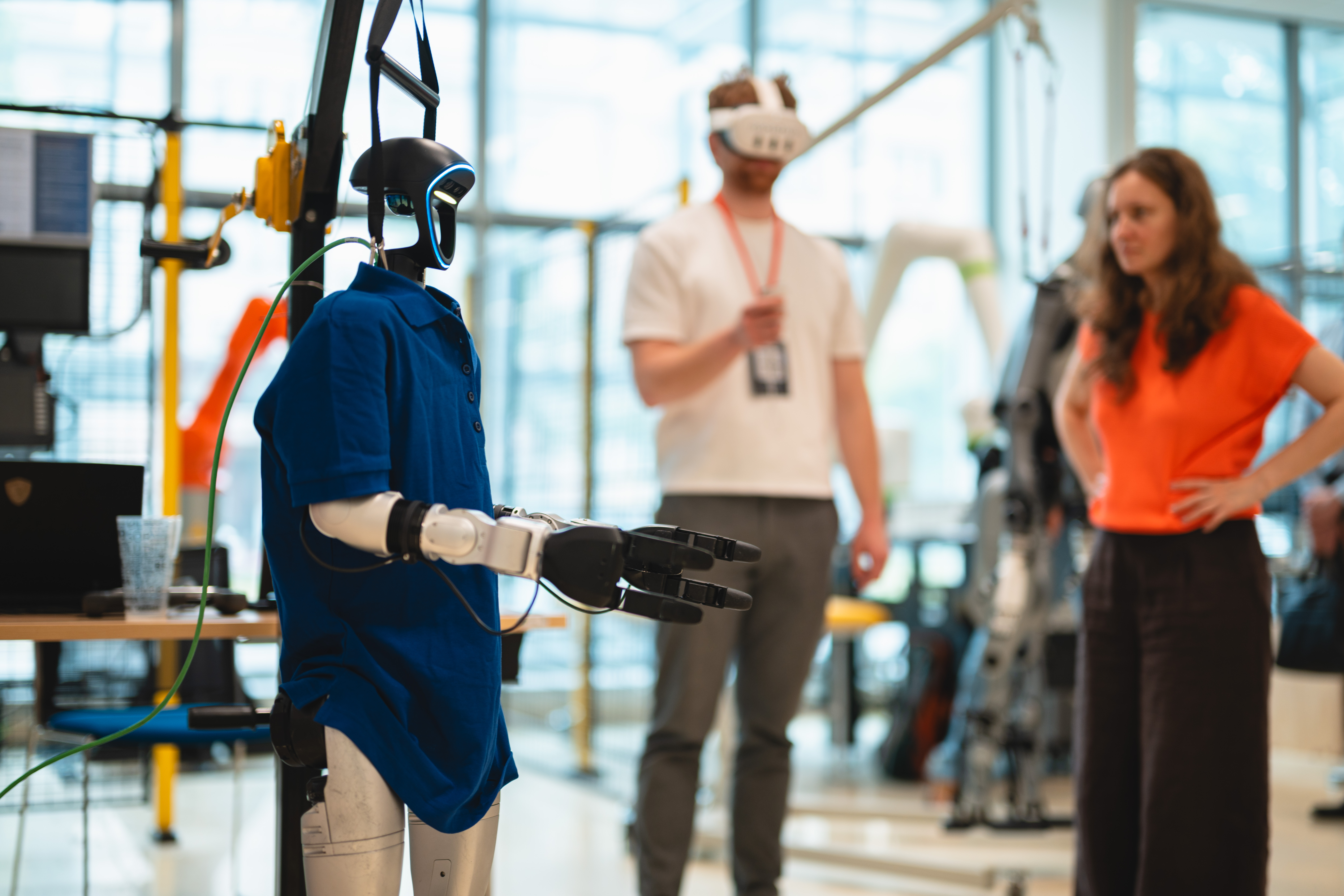
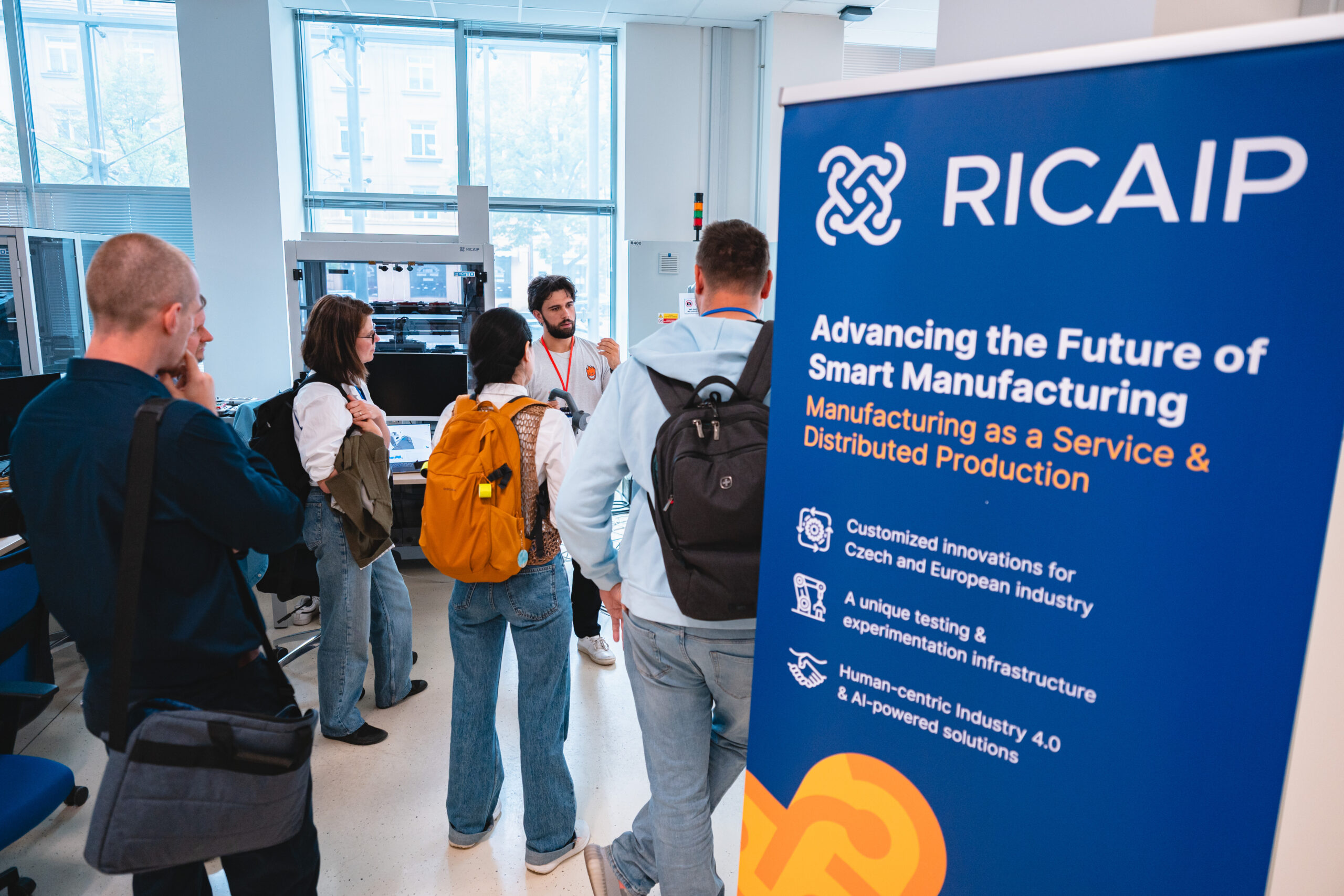
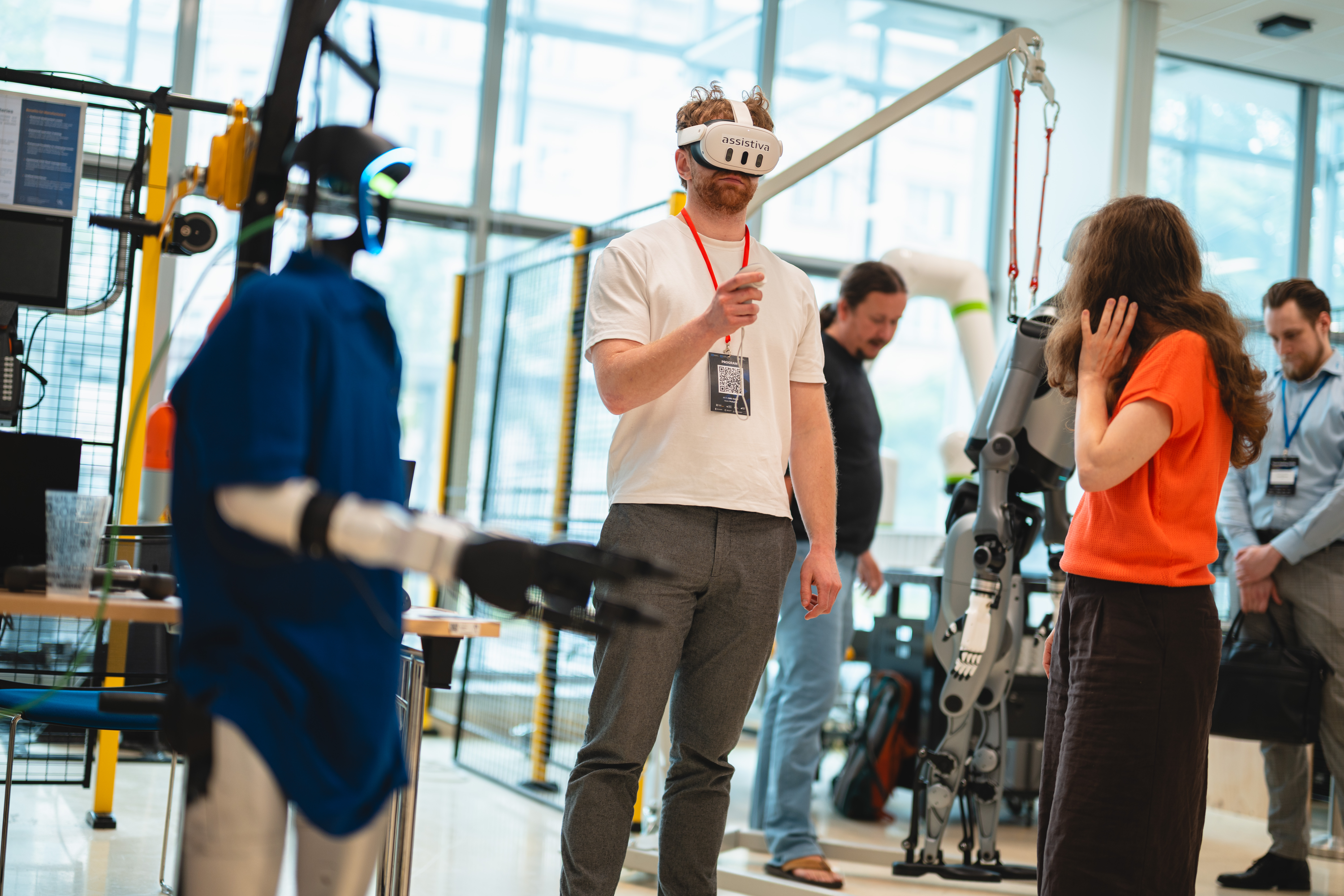
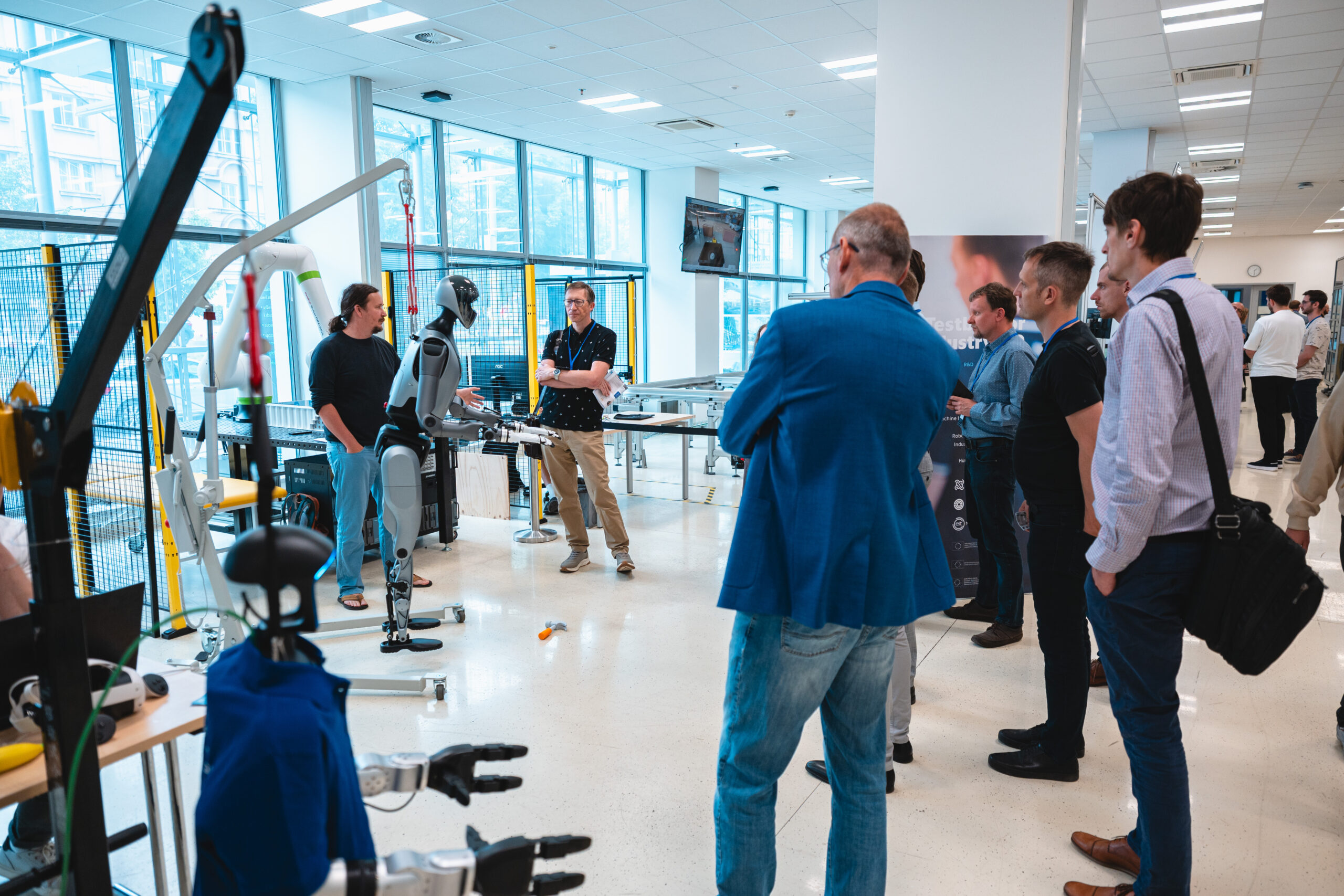
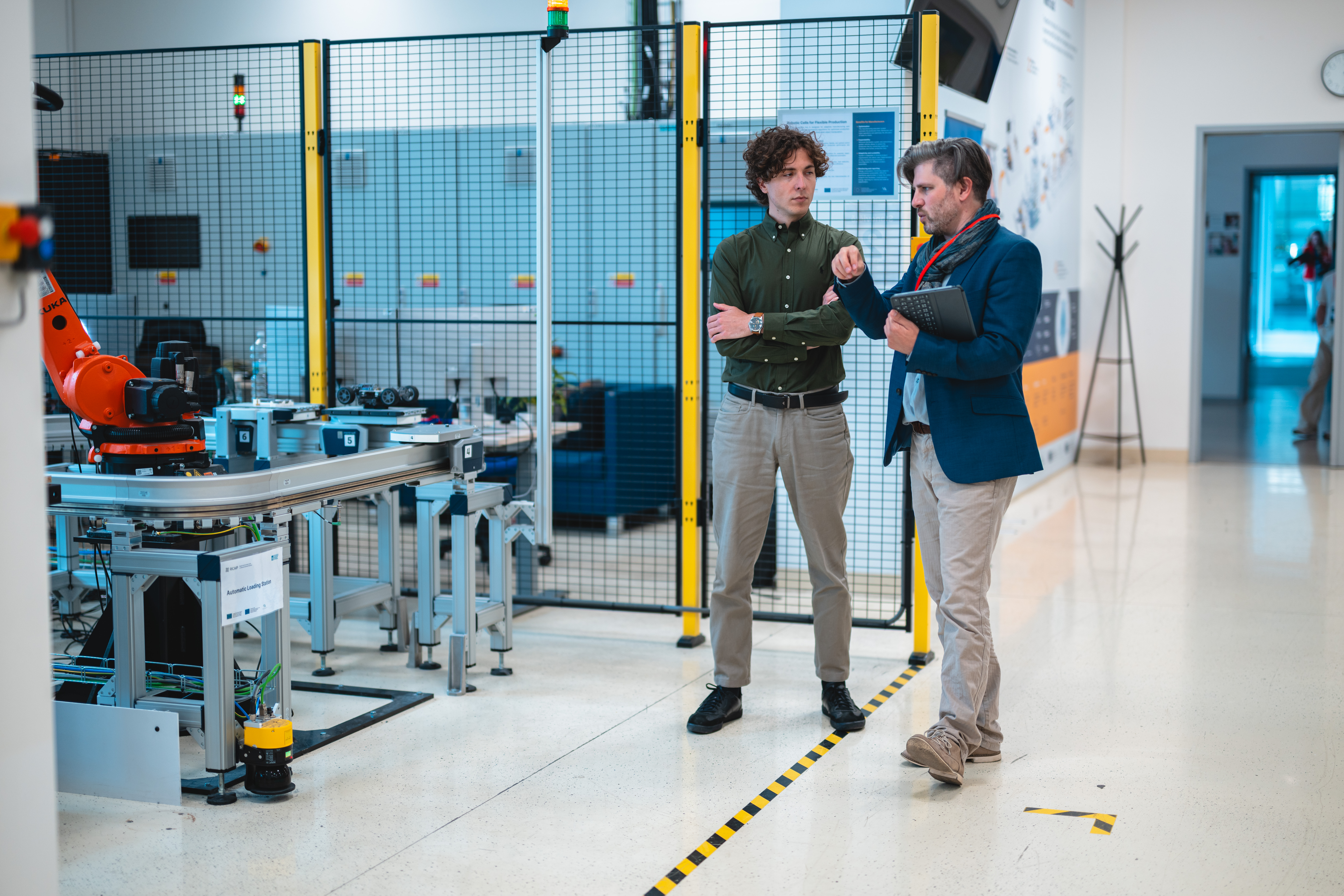
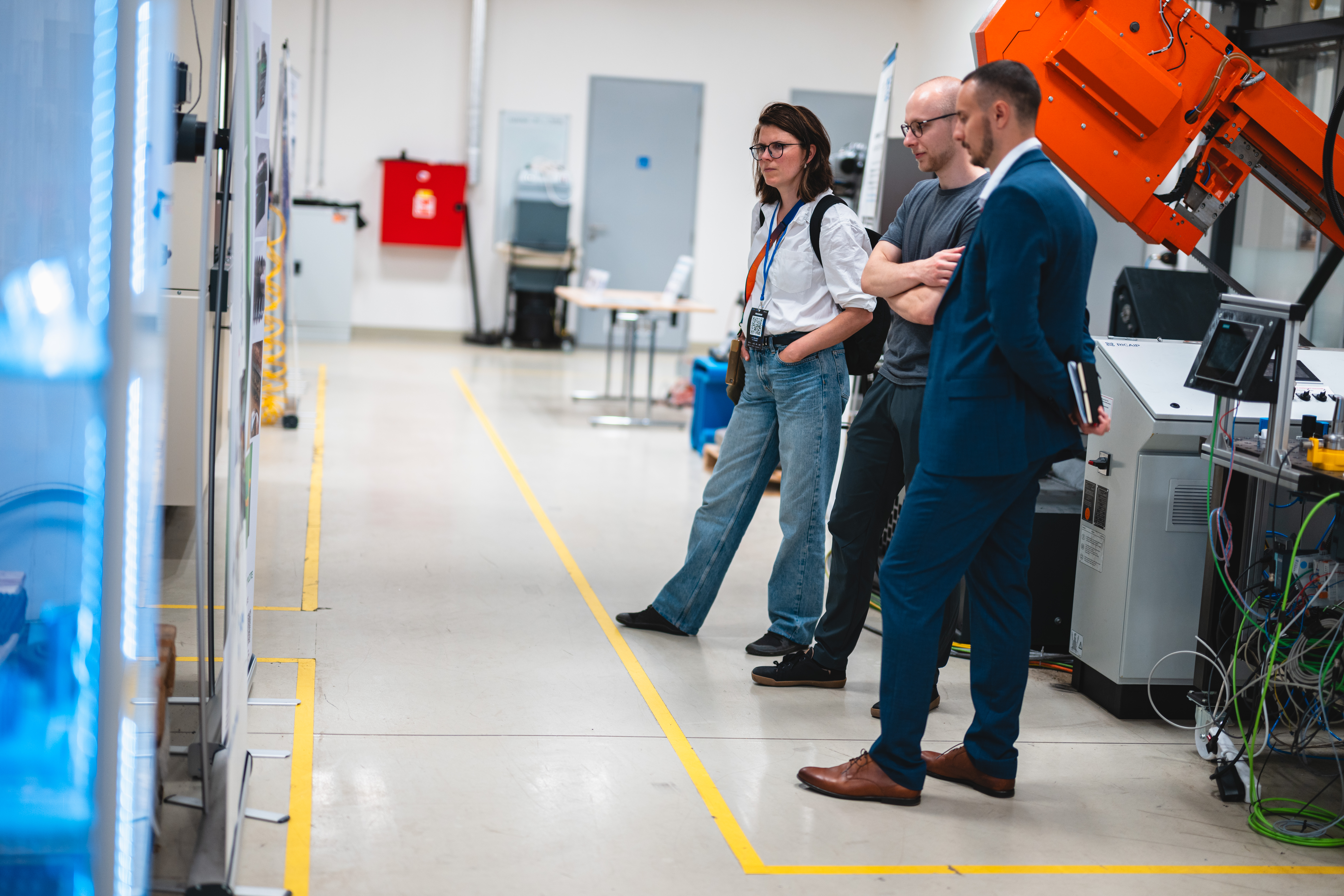
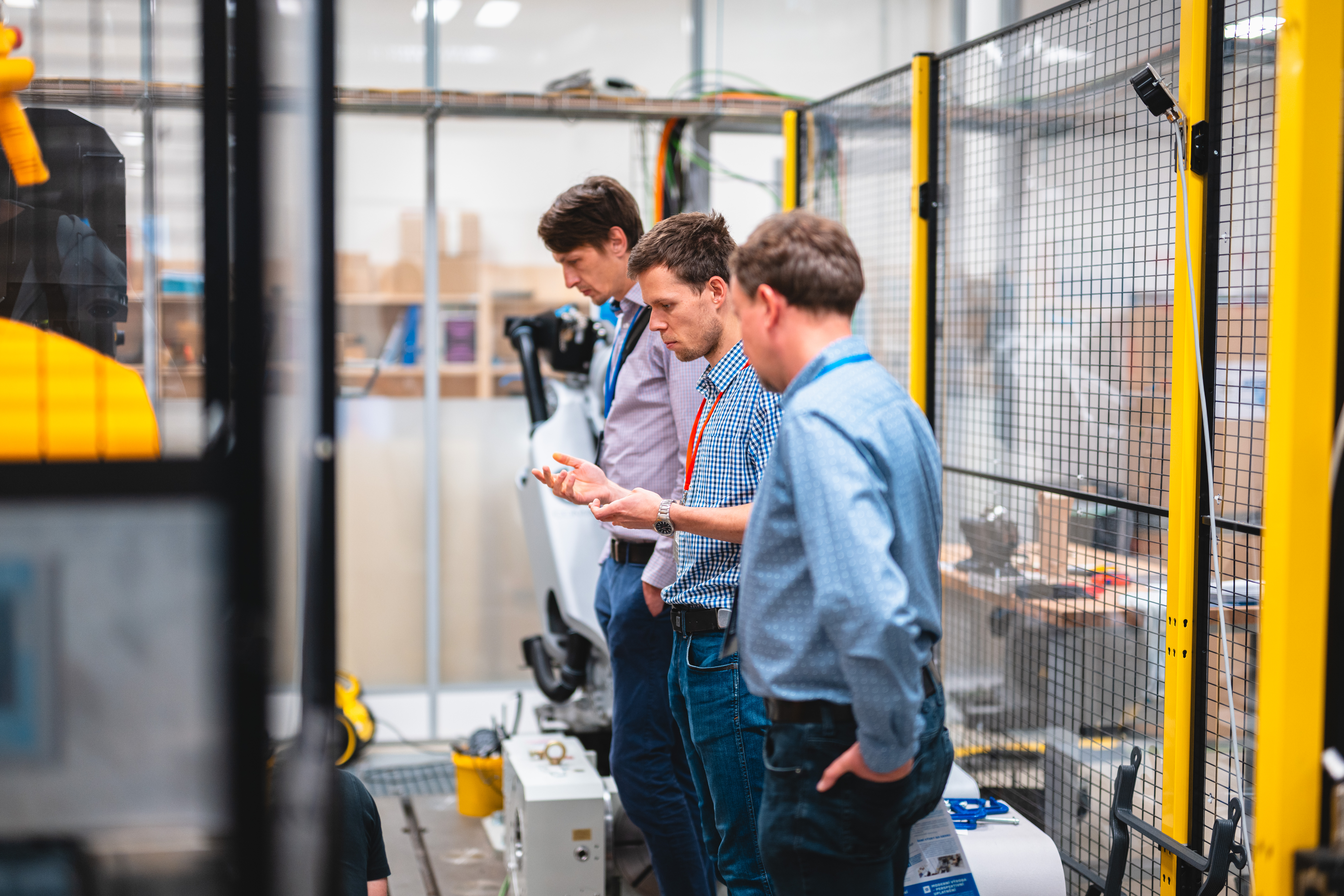
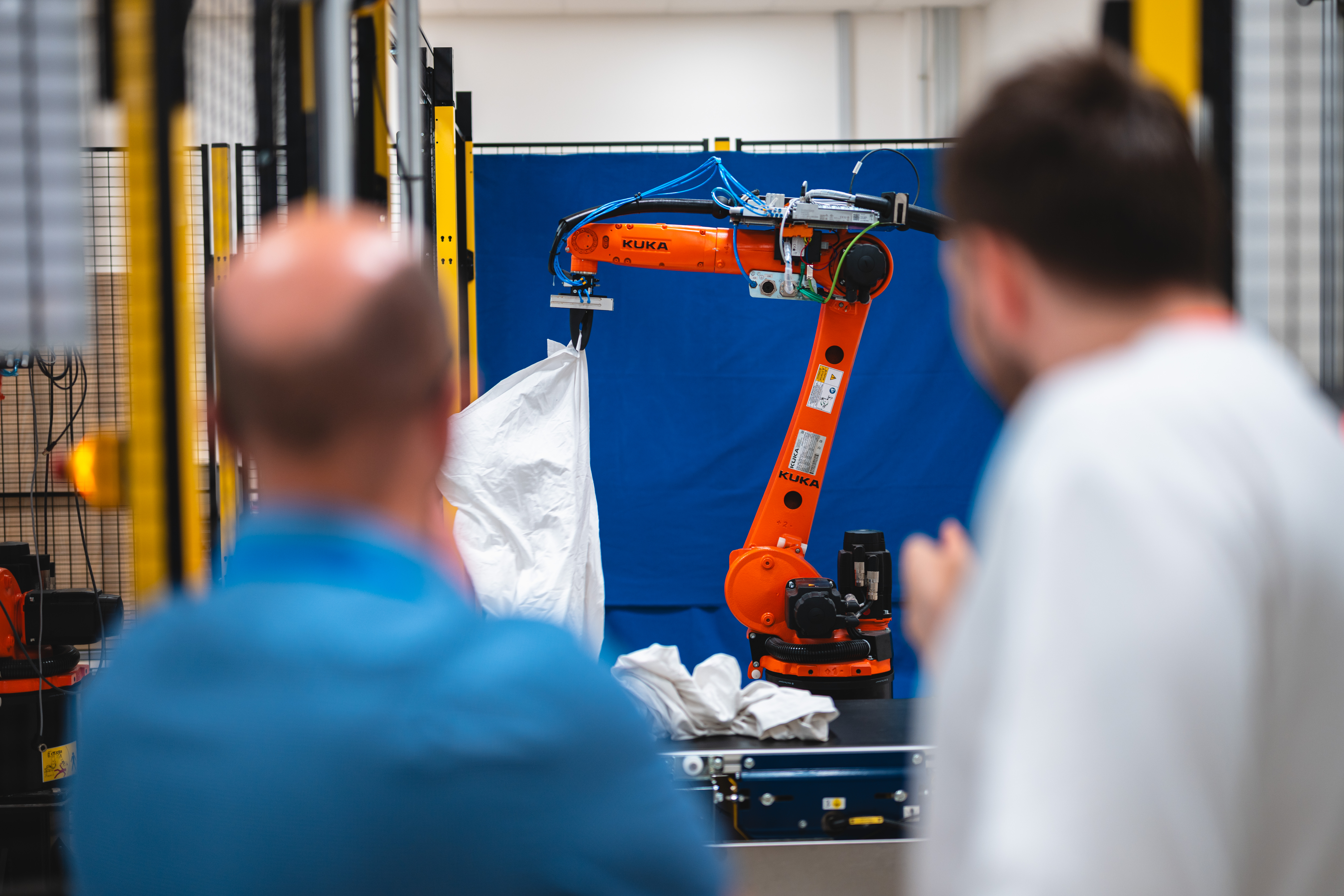
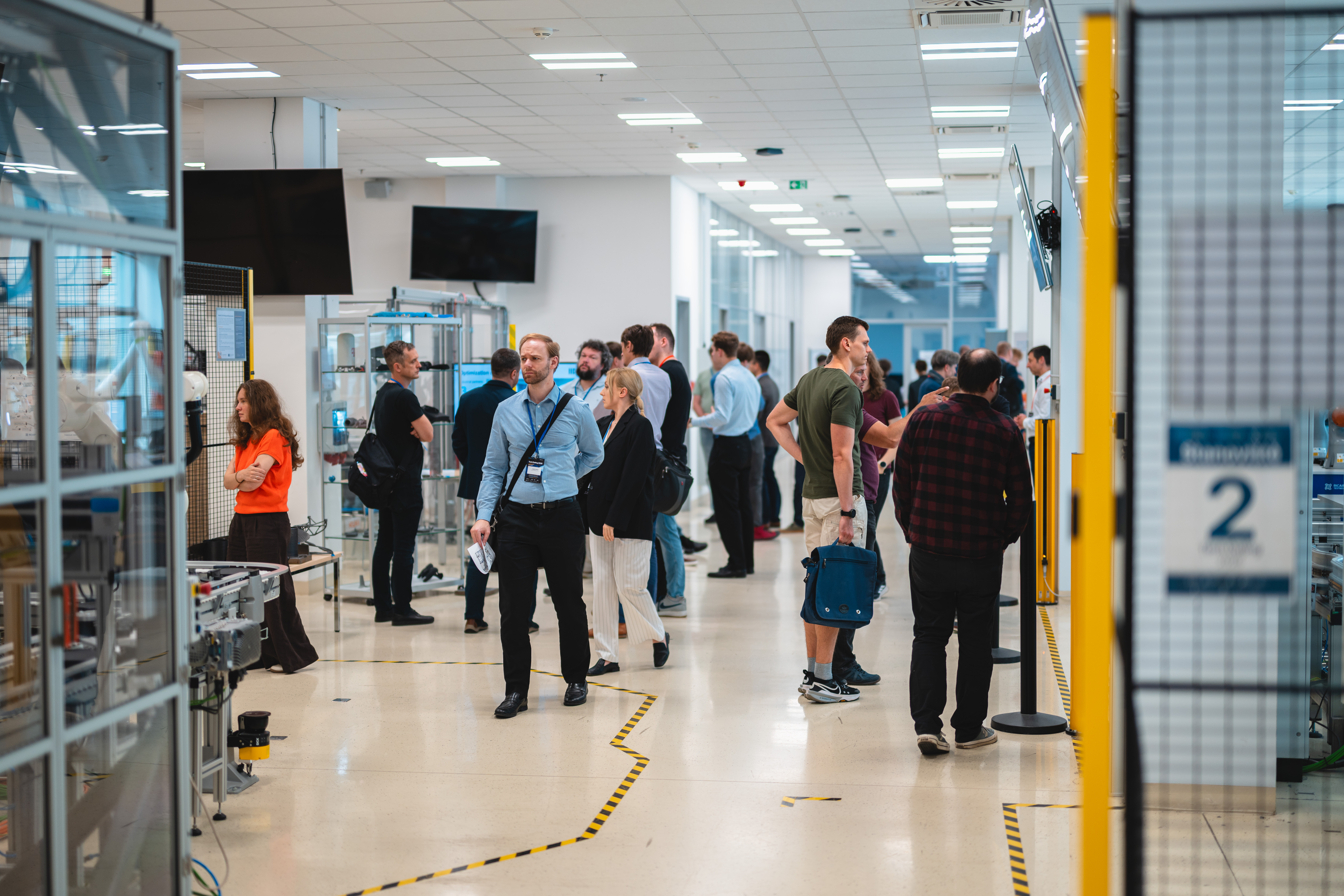
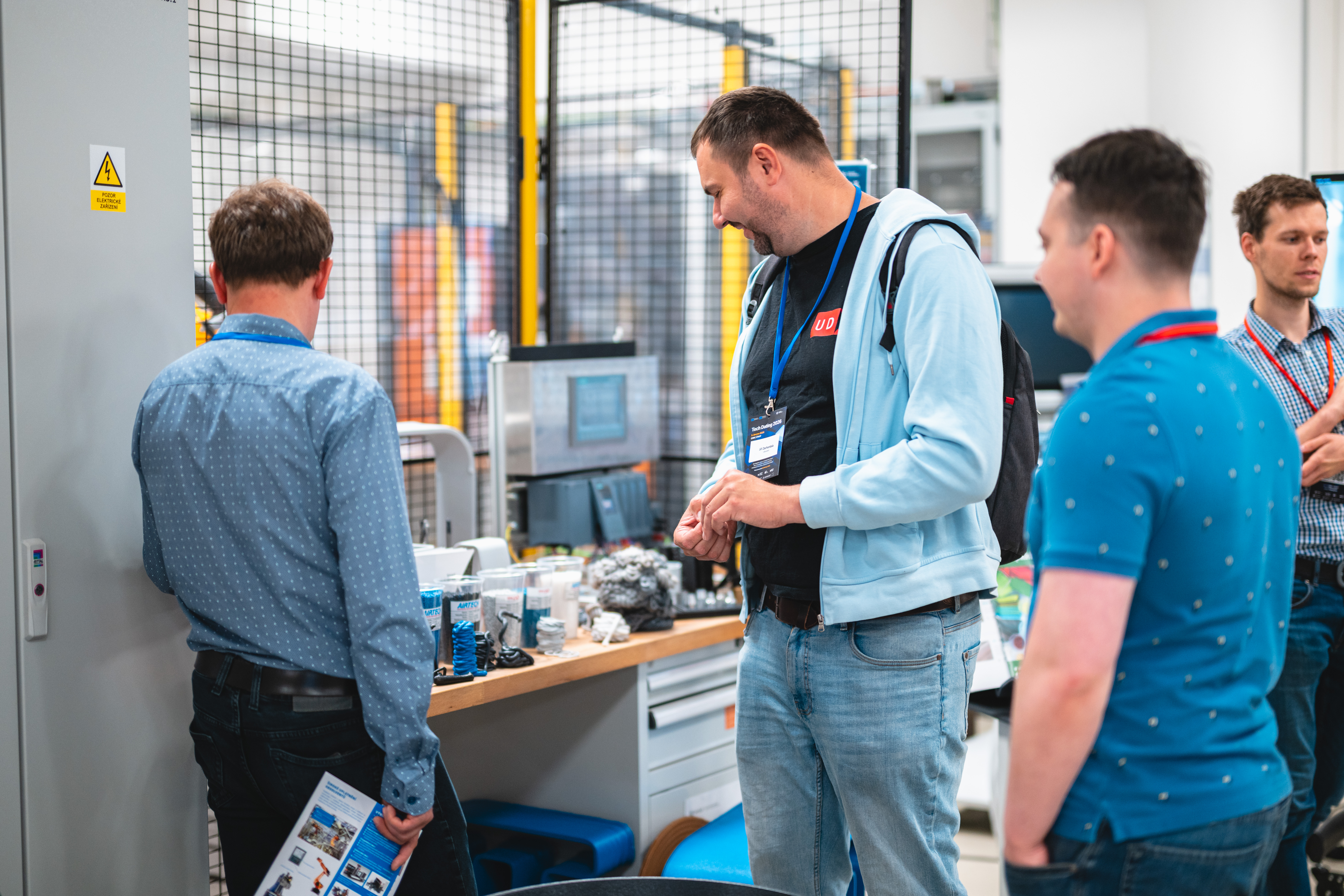
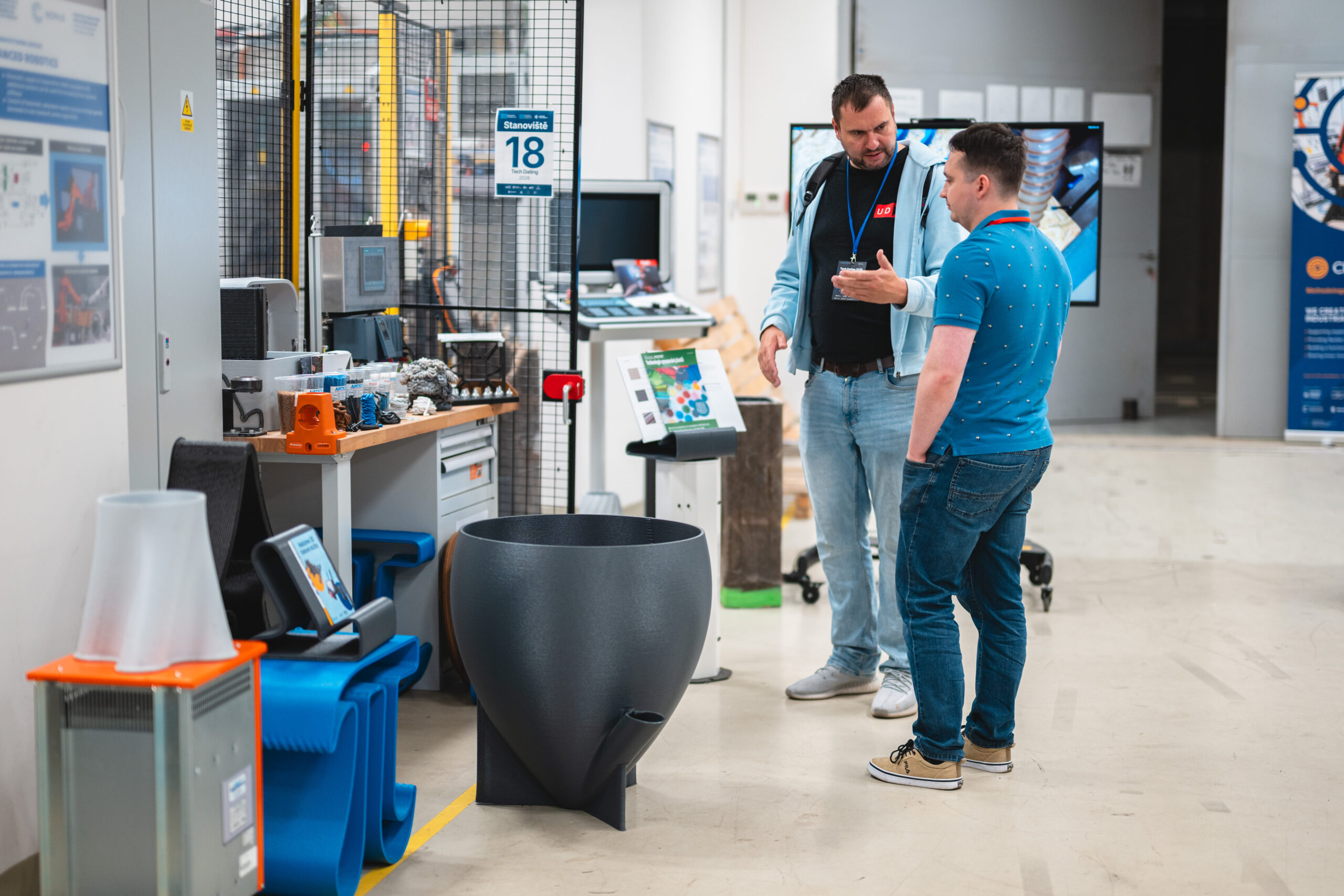
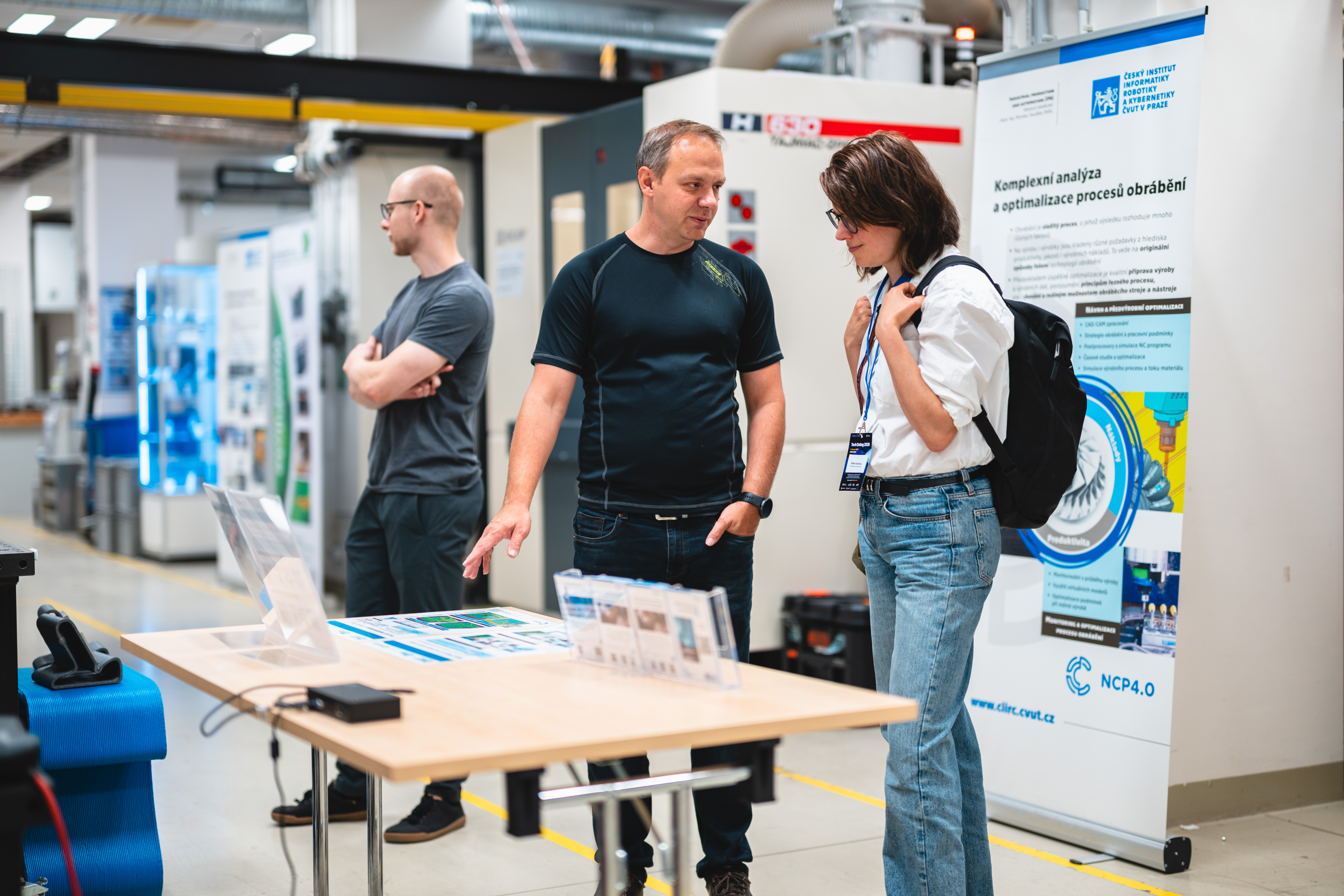
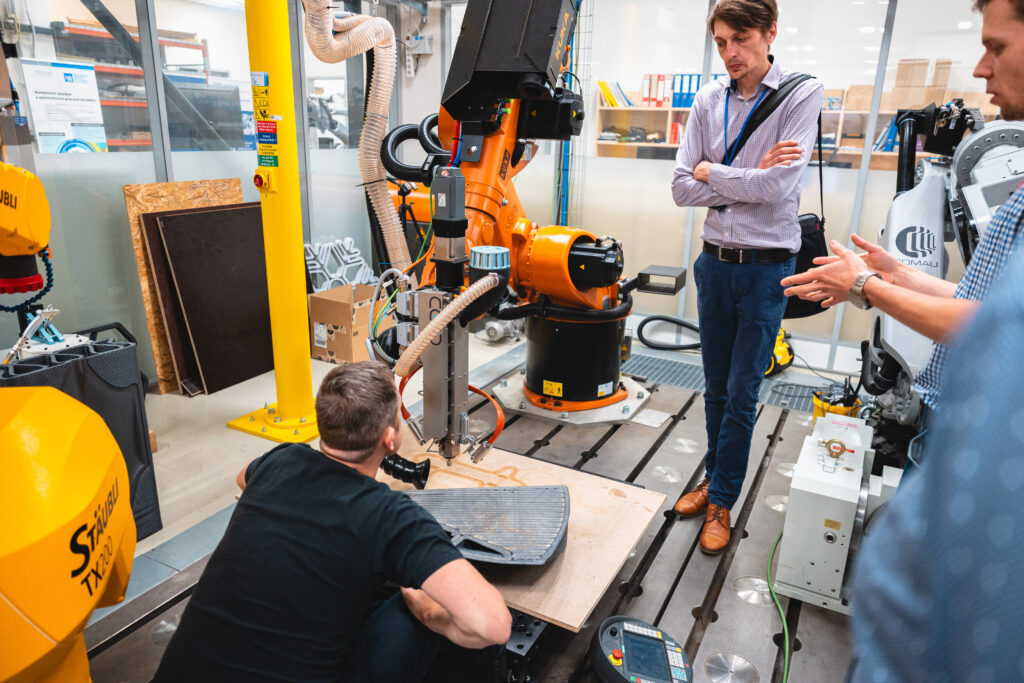
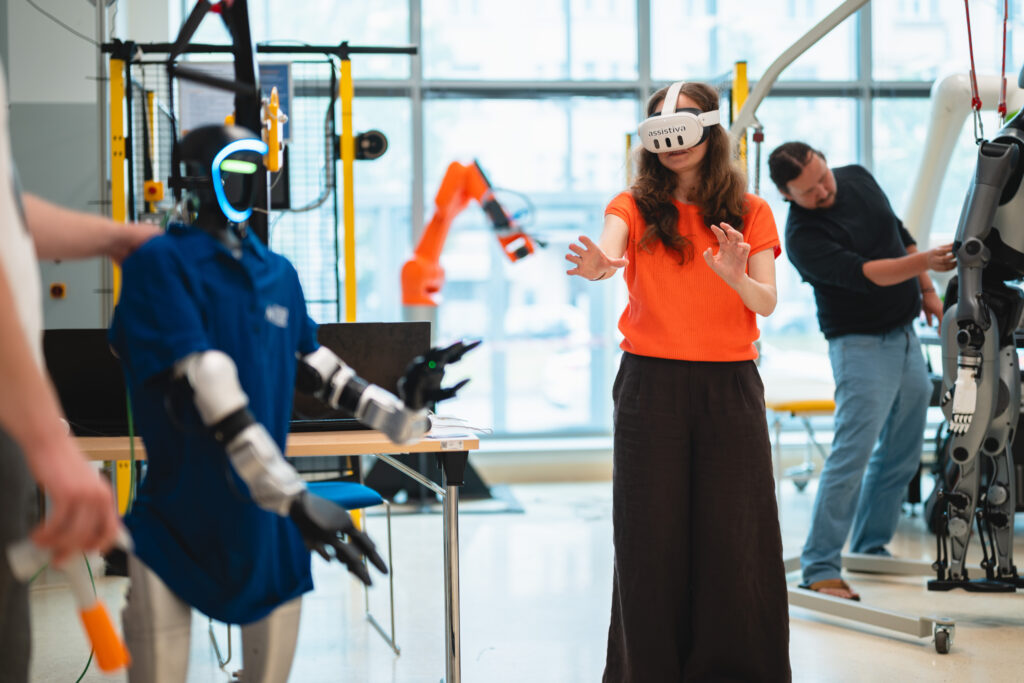
The afternoon program, called “Innovation Walks,” took participants directly into the research environment of the RICAIP Testbed Prague. The laboratories across both floors of the testbed were open for free exploration, allowing participants to move among nearly twenty thematic stations. At each station, researchers presented their topics and were ready to discuss concrete industrial challenges from the perspective of technology, research, and potential real-world application.
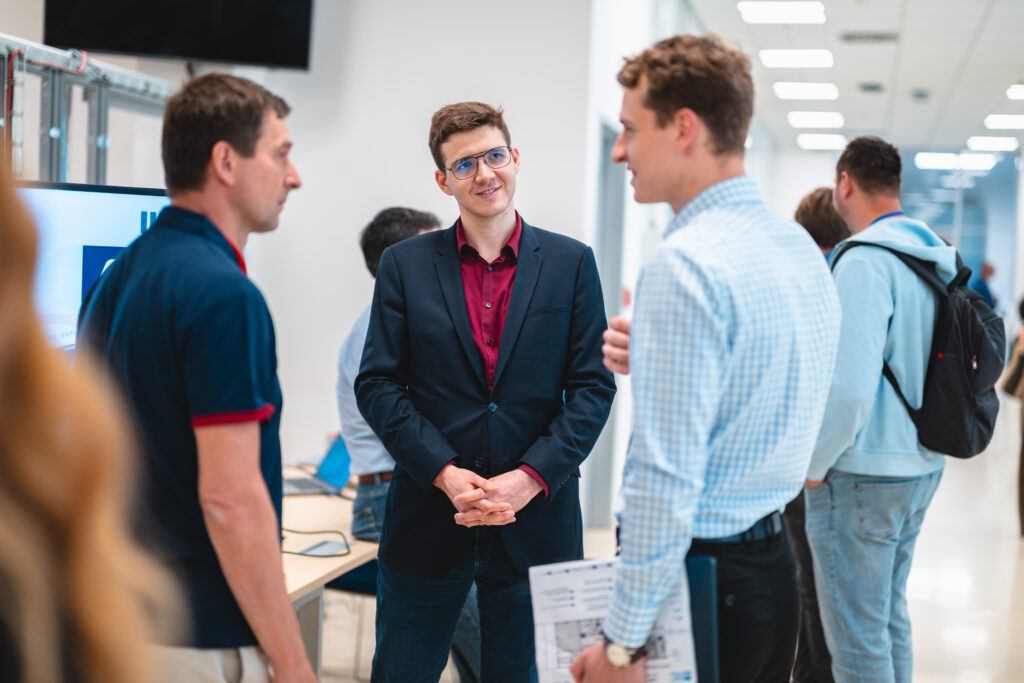
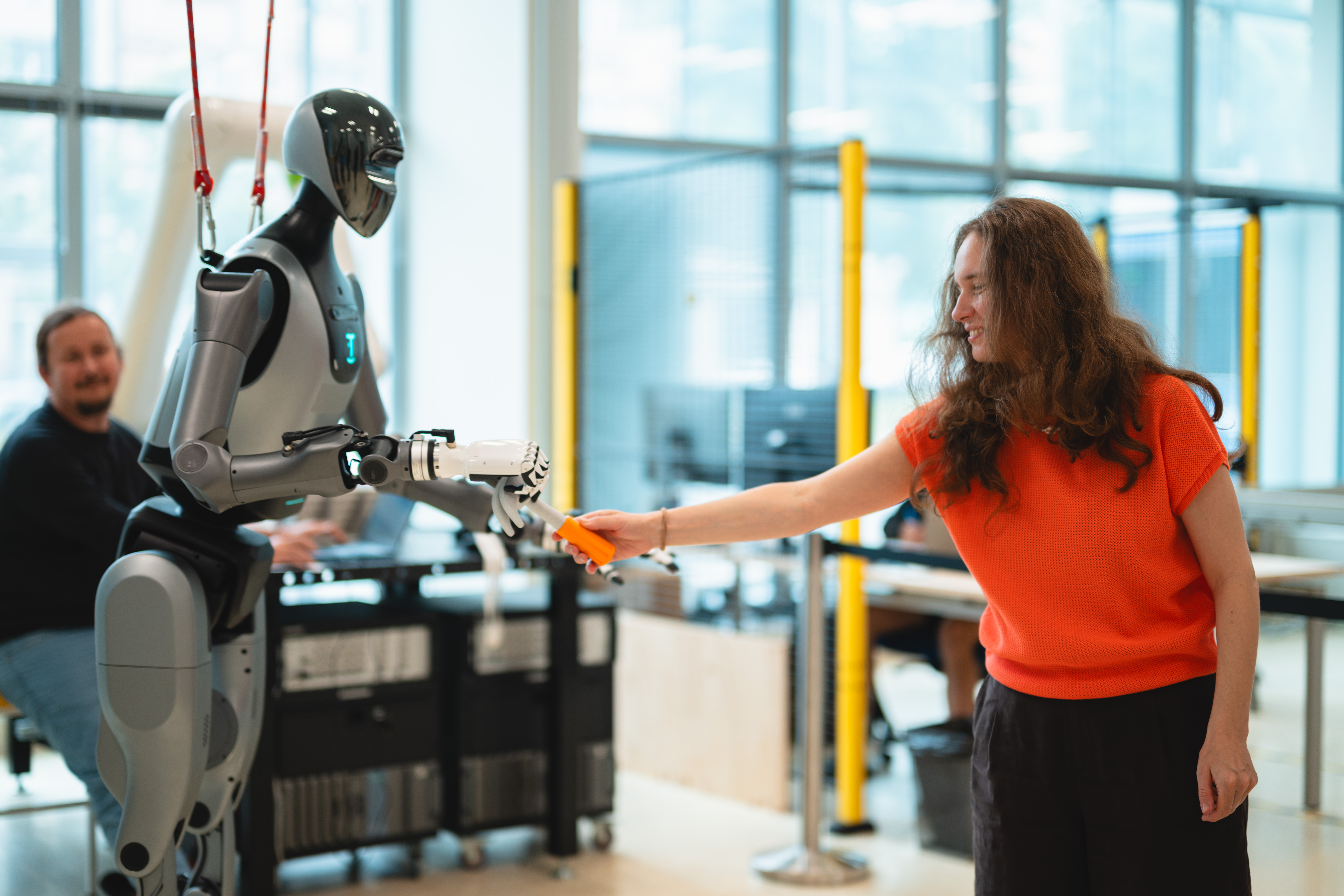
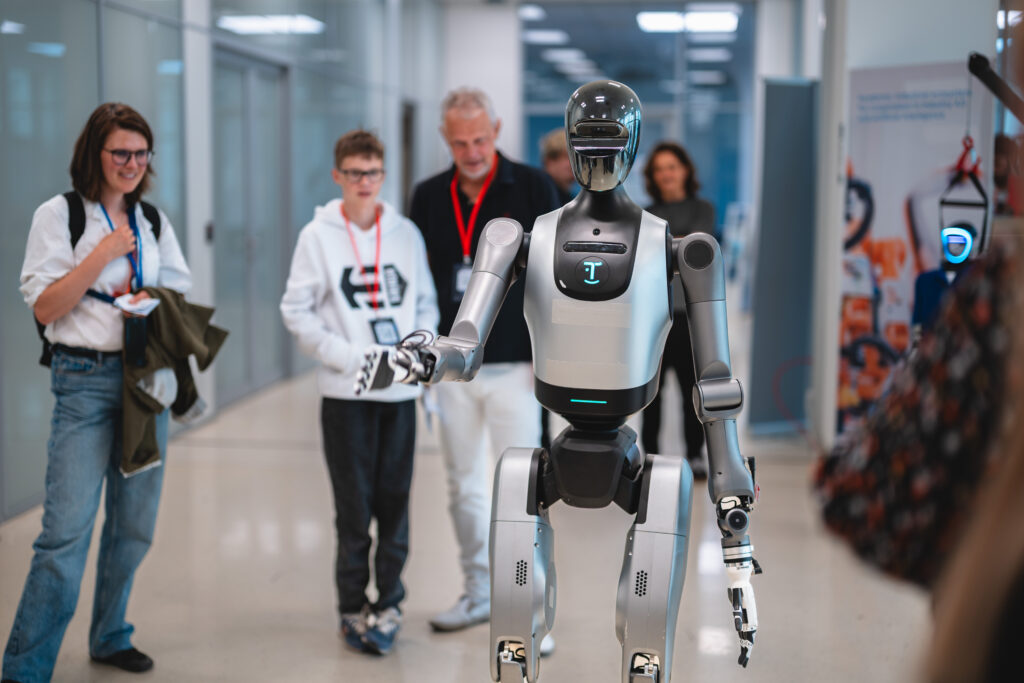
Participants could discuss planning, optimization, and embedded systems methods with the Industrial Informatics team, represented by Lukáš Chrpa, Zdeněk Hanzálek, Jan Ševčík, and Michal Sojka; meteorological models with Jan Horák, Jan Ullmann, and Jiří Závorka; or applications of machine vision in industry with Martin Mikšík. A significant part of the program was also devoted to robotics and automation. Michal Vavrečka and Michal Vavrečka presented research in humanoid robotics, Lukáš Vítek covered robotic manipulation of variable objects, Ondřej Švec focused on robotic rehabilitation systems, and Jaroslav Seifrt presented options for automating manufacturing processes.
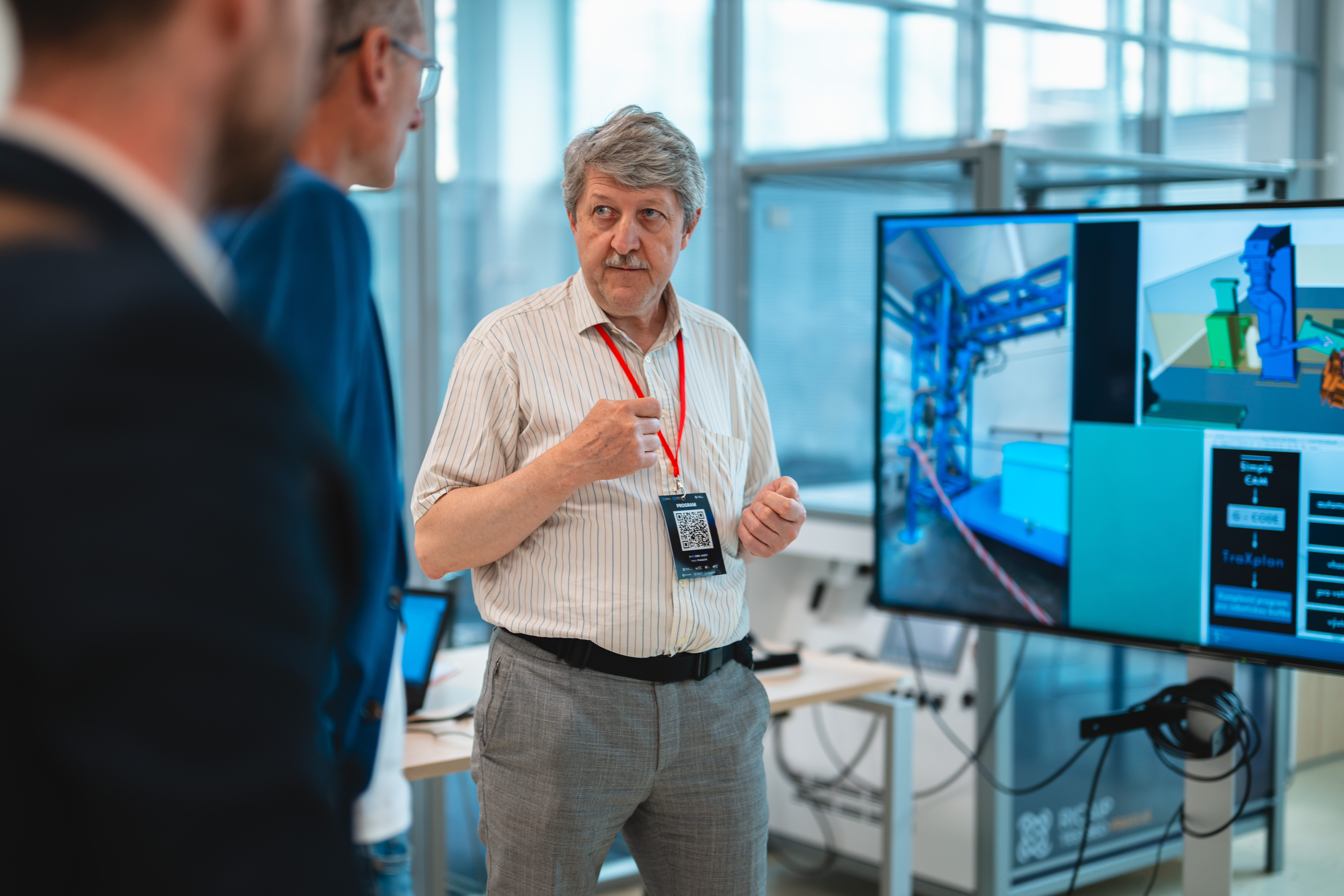
Visitors were also introduced to advanced approaches in digital twins and simulation presented by Václav Voltr and Matěj Sulitka, as well as various additive manufacturing technologies, from laser methods LMD and USP presented by Martin Novák and Adam Čermák, through large-scale robotic printing by Michal Rytíř, to WAAM technology presented by Vojtěch Votruba. The program also included a presentation of planning software for robotic welding by Vladimír Smutný and demonstrations of flexible manufacturing and machine data processing led by Pavel Hradecký.
Tech Dating 2026 showed that the key value of such formats is not the presentation of technologies itself, but the ability to connect the right actors at the right moment. The combination of targeted consultations and direct access to research laboratories created an environment in which abstract business needs are transformed into concrete technological scenarios. A crucial role is played not only by the technology itself, but especially by the ability to precisely define the problem, choose an appropriate approach, and establish collaboration across research and application partners. The event thus confirms the growing importance of formats that connect research and industry without unnecessary intermediaries. The boundary between passive participant and active speaker is fading, making space for open dialogue. Instead of a traditional conference, an environment emerges where innovation is driven by real business needs and continues all the way to testing and implementation – and Tech Dating 2026 once again pushed this principle a step further.
Photos from the event